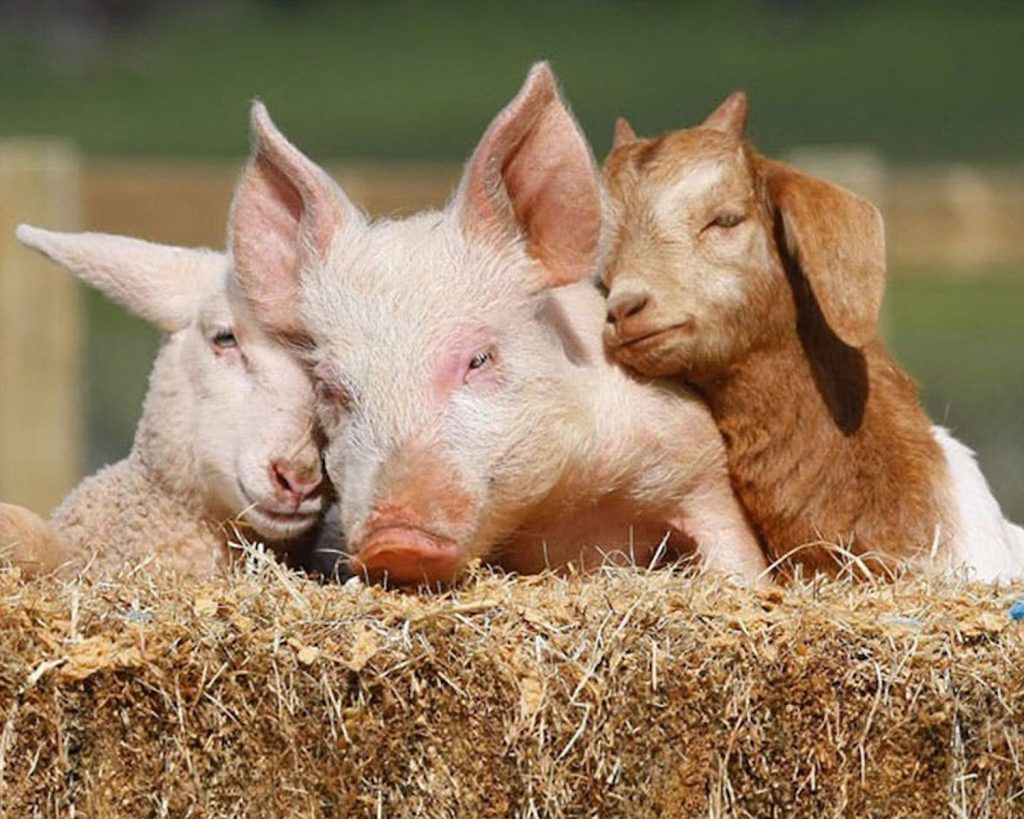
This category examines how animals—feeling, thinking beings—are affected by the systems we build and the beliefs we uphold. Across industries and cultures, animals are treated not as individuals, but as units of production, entertainment, or research. Their emotional lives are ignored, their voices silenced. Through this section, we begin to unlearn those assumptions and rediscover animals as sentient lives: capable of affection, suffering, curiosity, and connection. It’s a reintroduction to the ones we’ve learned not to see.
The subcategories within this section provide a multi-layered view of how harm is normalized and institutionalized. Animal Sentience challenges us to recognize the inner lives of animals and the science that supports it. Animal Welfare and Rights questions our moral frameworks and highlights movements for reform and liberation. Factory Farming exposes one of the most brutal systems of mass animal exploitation—where efficiency overrides empathy. In Issues, we trace the many forms of cruelty embedded in human practices—from cages and chains to lab tests and slaughterhouses—revealing how deeply these injustices run.
Yet the purpose of this section is not only to expose cruelty—but to open a path toward compassion, responsibility, and change. When we acknowledge the sentience of animals and the systems that harm them, we also gain the power to choose differently. It’s an invitation to shift our perspective—from dominance to respect, from harm to harmony.
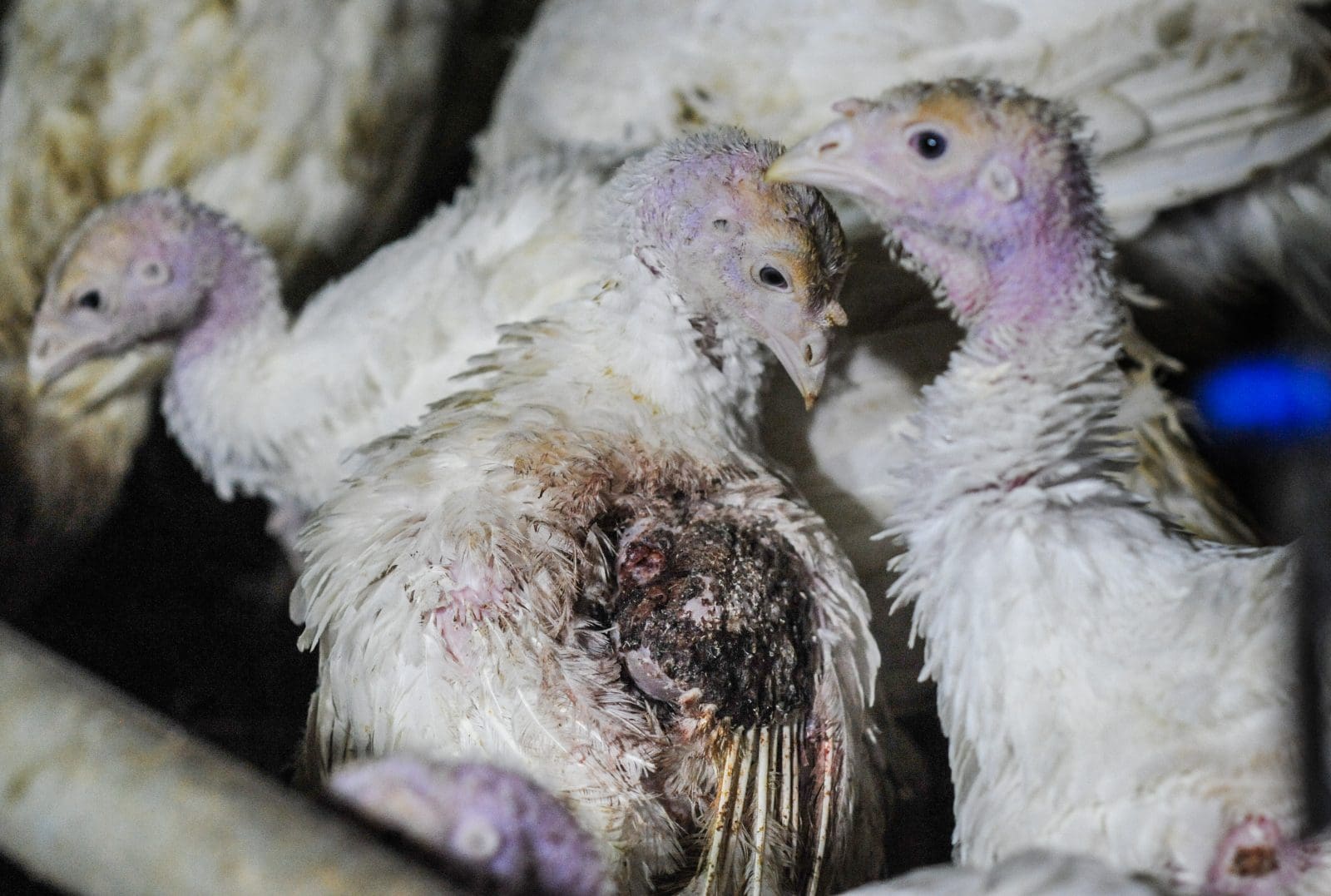
The truth about eating animal meat is more alarming than many realise, with consequences that extend far beyond the dinner table. From accelerating climate change and driving deforestation to polluting waterways and depleting vital resources, animal agriculture is a leading force behind environmental destruction. At the same time, consuming meat has been linked to serious health risks such as heart disease, cancer, and antibiotic resistance. This industry also raises ethical concerns due to its treatment of animals in factory farms. By shifting towards a plant-based diet, we can reduce our ecological footprint, improve our health, and advocate for a more compassionate world—making it an urgent choice for individuals seeking positive change