Advocacy is about raising voices and taking action to protect animals, promote justice, and create positive change in our world. This section explores how individuals and groups come together to challenge unfair practices, influence policies, and inspire communities to rethink their relationship with animals and the environment. It highlights the power of collective effort in turning awareness into real-world impact.
Here, you’ll find insights into effective advocacy techniques like organizing campaigns, working with policymakers, using media platforms, and building alliances. The focus is on practical, ethical approaches that respect diverse perspectives while pushing for stronger protections and systemic reforms. It also discusses how advocates overcome obstacles and stay motivated through persistence and solidarity.
Advocacy isn’t just about speaking out—it’s about inspiring others, shaping decisions, and creating lasting change that benefits all living beings. Advocacy is framed not only as a response to injustice but as a proactive pathway toward a more compassionate, equitable, and sustainable future—one where the rights and dignity of all beings are respected and upheld.
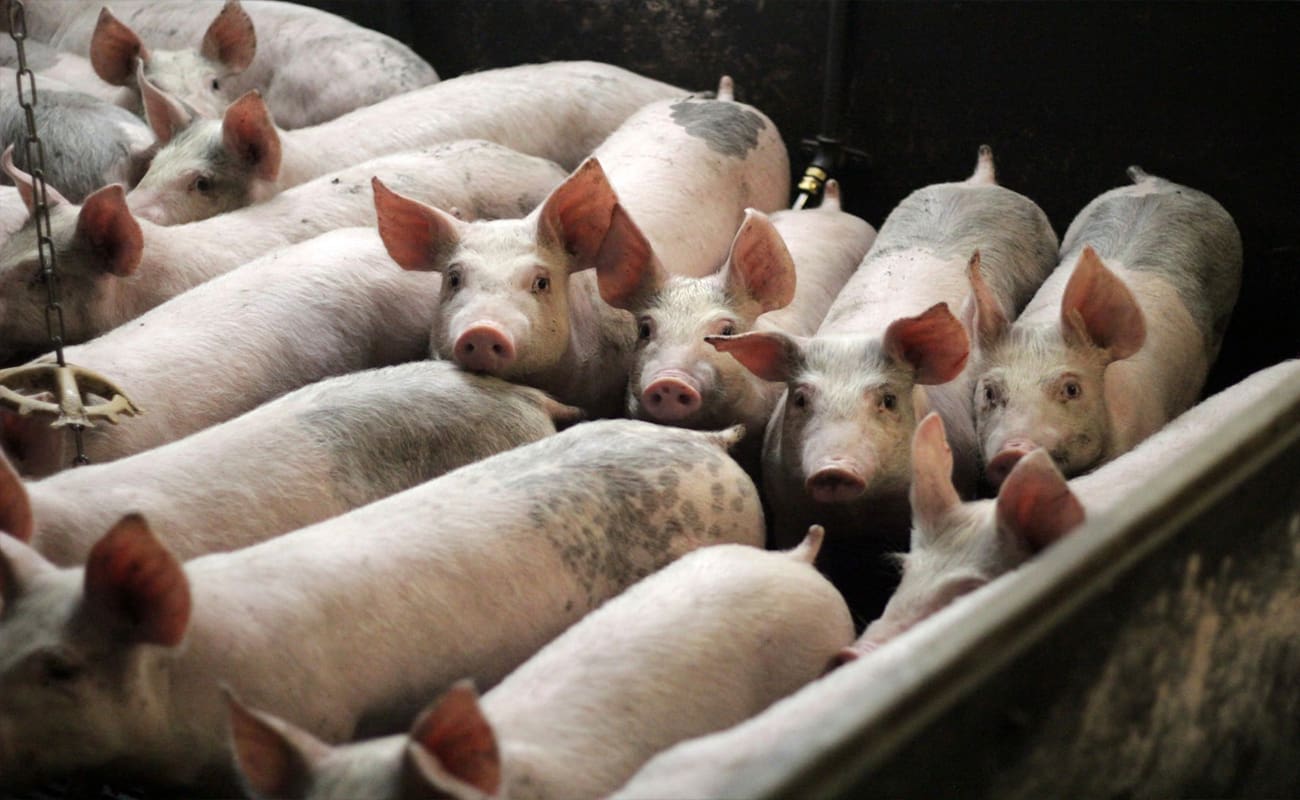
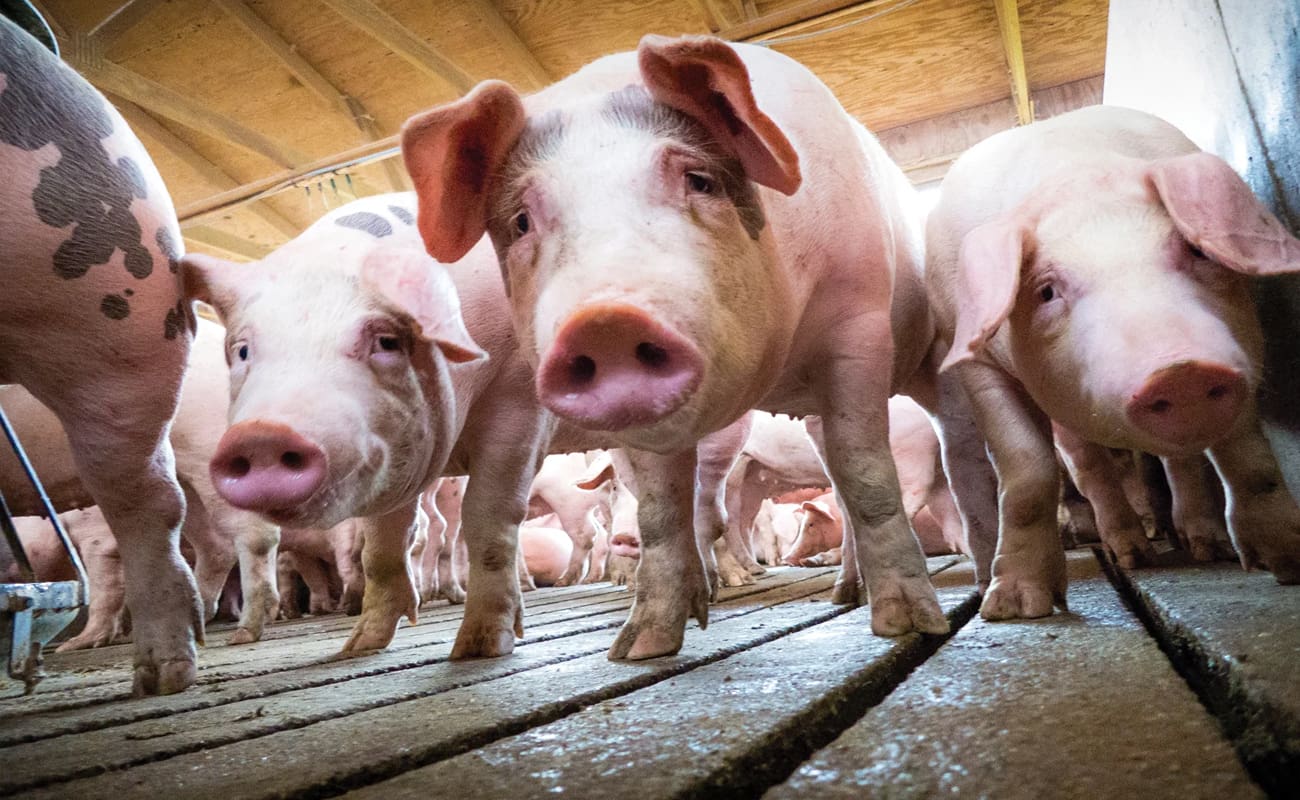
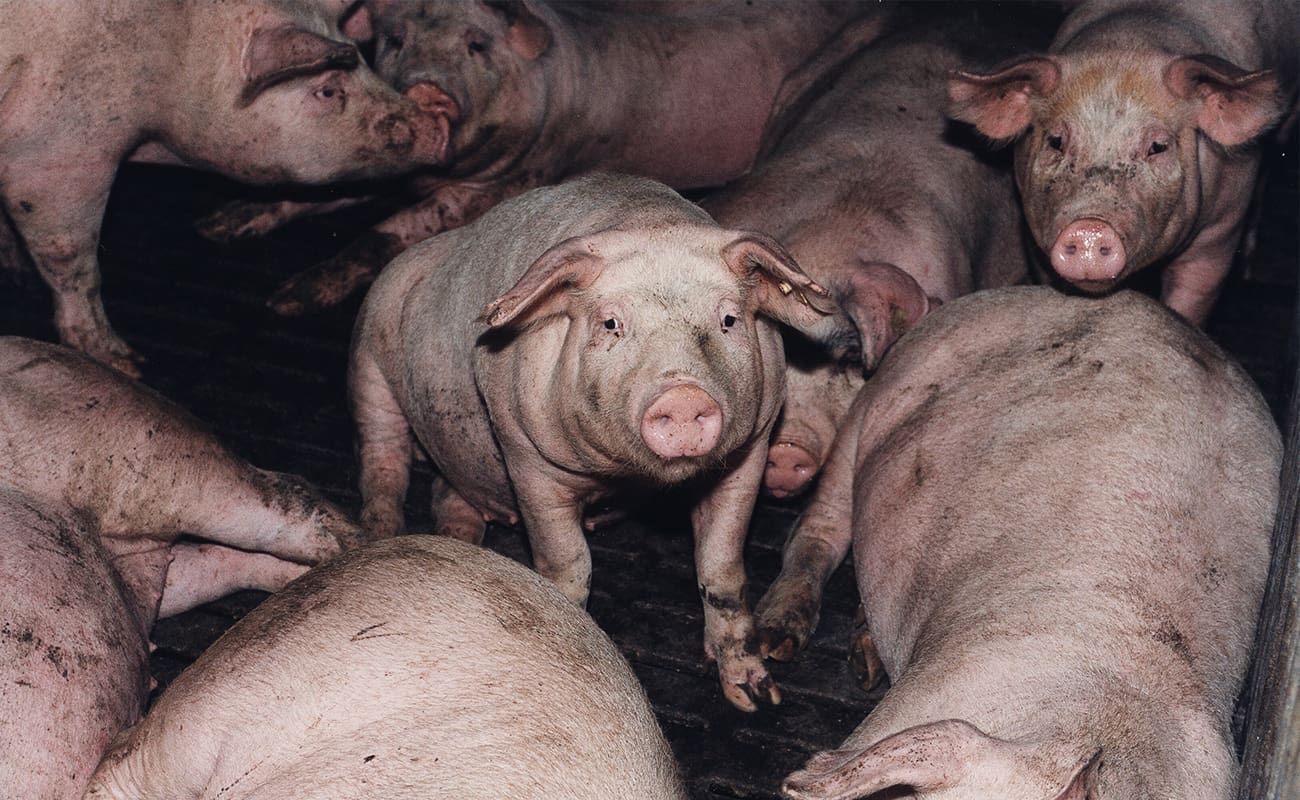
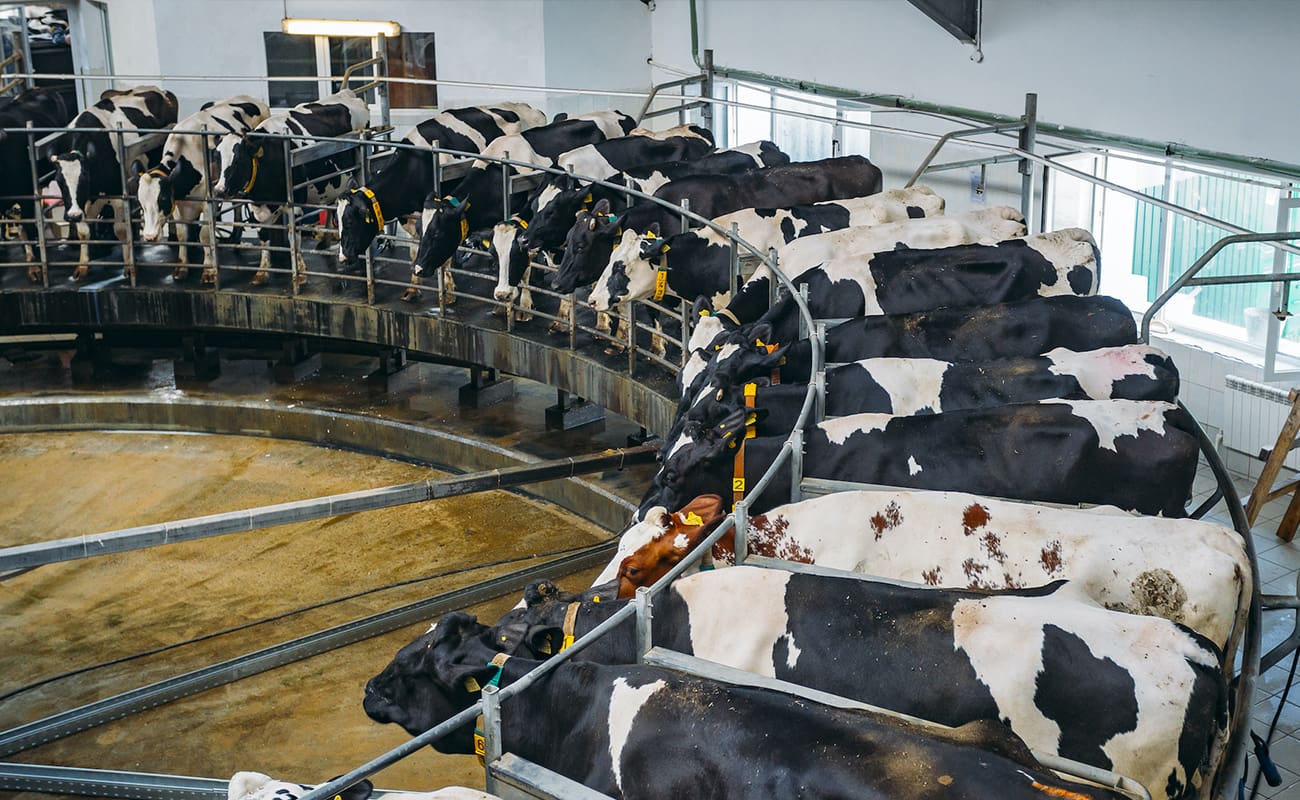
Animal cruelty is a pervasive issue that not only affects the wellbeing of animals but also has a profound impact on our own health and wellness. Witnessing or supporting animal cruelty can lead to feelings of guilt, sadness, and even depression. It can also contribute to empathy and compassion fatigue, further affecting our overall wellbeing. Exposure to graphic images or videos of animal cruelty can even trigger stress responses and increase the risk of developing post-traumatic stress disorder (PTSD). However, there is a solution that not only alleviates the suffering of animals but also brings significant benefits to our own health: adopting a vegan diet. A vegan diet is rich in fiber, vitamins, and minerals, essential for maintaining a healthy digestive system and overall wellbeing. By eliminating animal products from our diet, we can also reduce the intake of saturated fats and cholesterol, known risk factors for heart disease and …