Benefits of Going Vegan
for Your Skin & Hair

Clearer, healthier skin
Helps improve skin clarity, enhances natural glow, and supports a smoother, more even skin tone.

Reduced risk of skin conditions
Supports long-term skin health by lowering chronic inflammation and strengthening the skin’s natural protective barrier.

Shinier, Healthier hair
Improves hair vitality by boosting natural shine, reducing breakage, and nourishing the scalp for stronger-looking hair.
Fewer chemicals and toxins
Limits exposure to harsh substances, helping prevent irritation while supporting safer, more skin-friendly and eco-conscious care.
Natural Beauty with a
Vegan Lifestyle
A vegan lifestyle is more than just a diet — it is a conscious way of living that supports both inner health and outer beauty. By choosing plant-based foods and cruelty-free habits, you give your body rich sources of vitamins, antioxidants, and essential nutrients that help your skin stay clear, your hair stronger, and your overall appearance naturally radiant.
Natural beauty starts from within. A vegan lifestyle helps reduce inflammation, balance hormones, and protect cells from damage caused by toxins and processed foods. The result is healthier skin, shinier hair, and a youthful glow that comes from nourishing your body with clean, plant-powered ingredients.
Veganise Me
Experience the Change with a Vegan Diet
Step into the world of veganism with Veganise Me, a captivating documentary that follows real people as they adopt a plant-based lifestyle. Witness how their energy levels, overall health, and even skin appearance evolve over time. This inspiring journey reveals the tangible benefits of conscious food choices and shows how a vegan lifestyle can positively impact both your body and mind.
Overview of the benefits of a Vegan lifestyle
Reduces Inflammation and Improves Skin Conditions
A plant-based diet is rich in antioxidants, fiber, and anti-inflammatory compounds that help reduce inflammation in the body. Lower inflammation can decrease the severity of skin conditions such as acne, eczema, and psoriasis, promoting a clearer and healthier complexion.
Balances Hormones and Controls Oil Production
Vegan diets typically include low-glycemic foods like whole grains, fruits, and vegetables. This helps regulate insulin and hormone levels, which can reduce excess oil production and prevent acne, leading to smoother skin.
Provides Essential Vitamins and Antioxidants for Skin Health
Fruits, vegetables, nuts, and seeds in a vegan diet are excellent sources of vitamins A, C, and E, as well as zinc and carotenoids. These nutrients protect skin cells, promote regeneration, maintain moisture, and help prevent premature aging.
Supports Hair, Skin, and Nail Regeneration
Adequate protein, healthy fats, and micronutrients from plant-based foods aid in the repair and growth of hair, nails, and skin cells. A balanced vegan diet ensures the body has the building blocks needed for natural regeneration.
Improves Overall Health and Internal Balance
By reducing the intake of processed foods and animal products, a vegan lifestyle can enhance internal organ function, digestion, and detoxification. A healthier internal system often reflects externally as radiant skin and strong, shiny hair.
Boosts Energy and Promotes a Youthful Appearance
A nutrient-rich vegan diet increases energy levels and reduces oxidative stress in the body. Combined with hydration, sleep, and a balanced lifestyle, this can result in a more vibrant, youthful appearance and a natural glow.
The Science Behind Plant-Based Beauty
The connection between a vegan lifestyle and natural beauty is deeply rooted in biochemistry and nutrition science. Plant-based foods are naturally rich in antioxidants, vitamins, minerals, and phytonutrients that support the body’s intrinsic processes for maintaining radiant skin, healthy hair, and strong nails. Beyond these nutrients, a plant-based diet promotes gut health—the foundation for optimal nutrient absorption, balanced hormones, and inflammation control—all of which directly influence appearance.
By following a diverse and well-planned vegan diet, you provide your body with:
Potent antioxidants that neutralize free radicals and prevent cellular damage linked to premature aging
Anti-inflammatory compounds that reduce redness, irritation, and chronic skin inflammation
Dietary fiber that nourishes beneficial gut bacteria, supporting digestion and nutrient uptake
Enzymes and micronutrients that optimize the body’s ability to absorb and utilize essential vitamins and minerals
Emerging research shows that plant-based diets can influence cellular regeneration and extracellular matrix health, both of which are crucial for maintaining skin elasticity and reducing wrinkles. Phytonutrients such as carotenoids, flavonoids, and polyphenols help protect against UV-induced oxidative stress, while vitamins C and E are essential cofactors for collagen synthesis.
Moreover, the gut-skin axis—a concept increasingly validated by dermatological research—demonstrates that a healthy gut microbiome, nourished by fiber and prebiotic compounds in plants, can significantly reduce systemic inflammation, prevent acne flare-ups, and improve overall skin texture. Amino acids derived from plant proteins also play a key role in keratin and collagen production, supporting hair strength and nail resilience.
Positive Benefits of Going Vegan for Skin
A carefully structured and balanced vegan diet can have profound and transformative effects on the health and appearance of your skin. Vegan foods are full of necessary vitamins and antioxidants, especially vitamins A, C, and E, which are commonly known as the main three for keeping skin healthy and strong. These nutrients work together in a synergistic way to support multiple aspects of skin health, including:
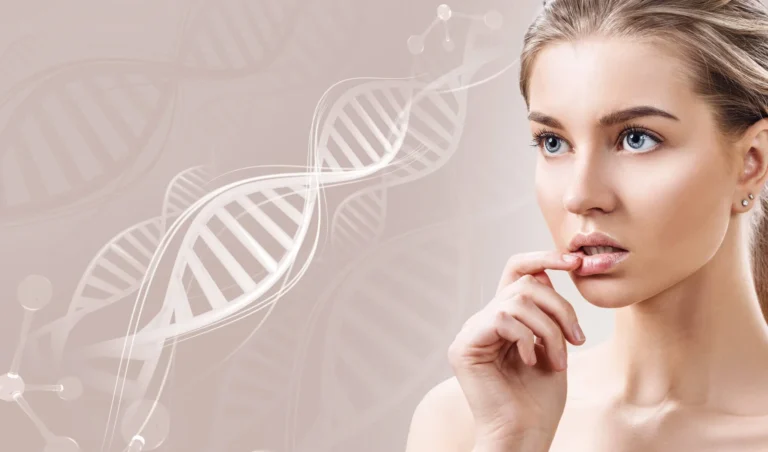
Support Collagen Production
Vitamin C, found abundantly in fruits like oranges, berries, and leafy green vegetables, is essential for the production of collagen—a protein that gives your skin its firmness, elasticity, and youthful glow. Unlike isolated supplements, plant-based sources of vitamin C naturally come with flavonoids and other phytonutrients that help your body absorb and utilize it more effectively.
Including a variety of these vitamin C-rich foods in your daily diet supports your skin’s structure, helps repair damaged tissues, and promotes overall skin resilience.
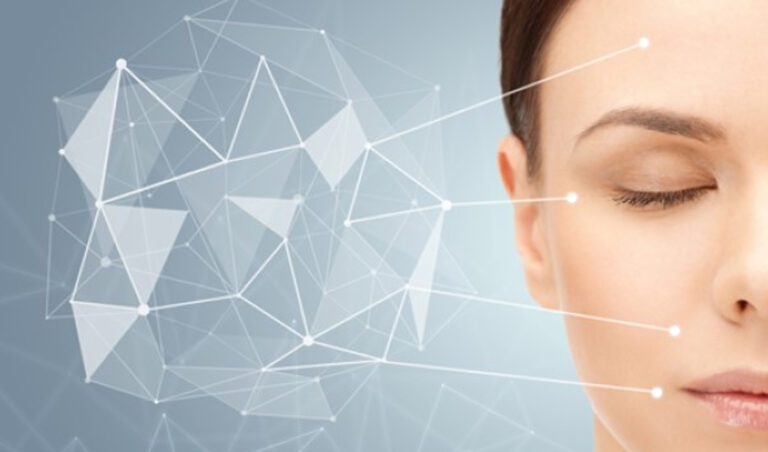
Fight Aging
Colourful fruits and vegetables are packed with powerful antioxidants that help protect your skin cells from oxidative stress—a major factor that accelerates ageing. Nutrients like beta-carotene, found in orange and red foods such as carrots, sweet potatoes, and bell peppers, not only shield your skin from sun damage but also promote healthy cell turnover, keeping your skin fresh, vibrant, and rejuvenated.
Incorporating these foods regularly into your diet supports long-term skin health, reduces the appearance of fine lines, and helps maintain a youthful, glowing complexion naturally.
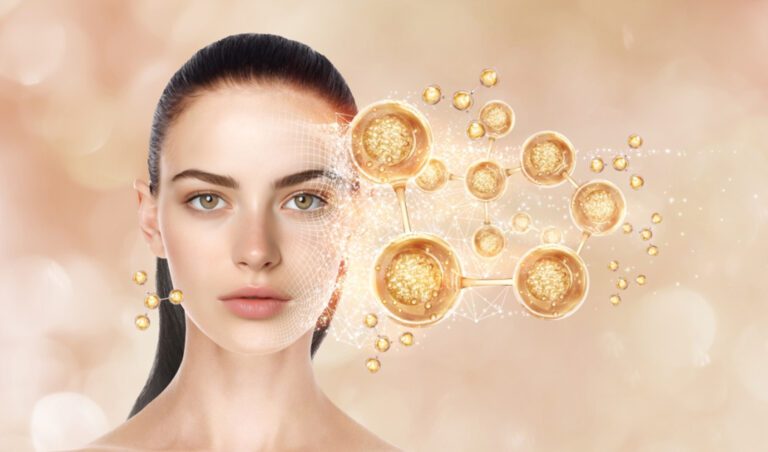
Reduce Inflammation
A variety of plant-based foods are naturally rich in anti-inflammatory compounds, which can help soothe and calm common skin issues such as acne, rosacea, and redness. Foods like berries, nuts, leafy greens, and seeds are particularly effective, as they contain antioxidants and polyphenols that reduce inflammation at the cellular level.
By incorporating these nutrient-dense foods into your daily diet, you not only support overall health but also give your skin a chance to heal, recover, and maintain a calmer, clearer, and more radiant appearance.
Positive Benefits of Going Vegan for Hair
Contrary to common misconceptions, a thoughtfully planned vegan diet can supply all the essential nutrients needed for strong, healthy hair growth. Many individuals report that after adopting a plant-based lifestyle, their hair becomes shinier, thicker, and more resilient—a result that aligns with the significant increase in antioxidants, vitamins, minerals, and phytonutrients that come with a vegan diet.
The key to supporting optimal hair health lies in focusing on these vital nutrients:
Adequate Plant-Based Protein Intake
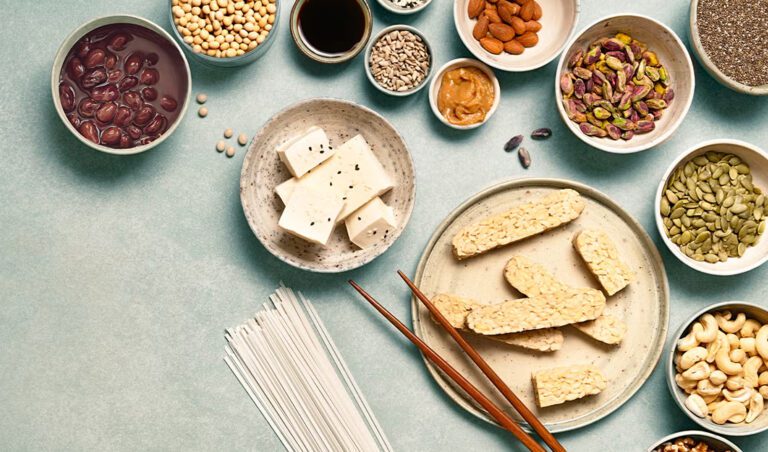
Protein is essential for building and repairing cells, producing enzymes and hormones, and maintaining healthy hair, skin, and nails. In a vegan diet, protein can be obtained from legumes (lentils, chickpeas, beans), tofu and tempeh, nuts and seeds, and whole grains. Hair and nails are primarily composed of keratin, a protein that requires sufficient amino acids for growth and strength. By combining different plant protein sources, a vegan diet can provide all essential amino acids, supporting cellular repair, tissue regeneration, and overall structural integrity of hair, skin, and nails.

Essential Vitamins and Minerals
Vitamins and minerals such as vitamin B12, iron, zinc, vitamin D, and calcium are crucial for cellular function, energy production, bone health, and the maintenance of hair, skin, and nails. Vegan sources include:
Iron: lentils, spinach, pumpkin seeds
Zinc: chickpeas, nuts, seeds
Vitamin B12: fortified foods or supplements
Vitamin D: sunlight or supplements
Calcium: almonds, broccoli, fortified plant milks
Antioxidants and Anti-Inflammatory Compounds
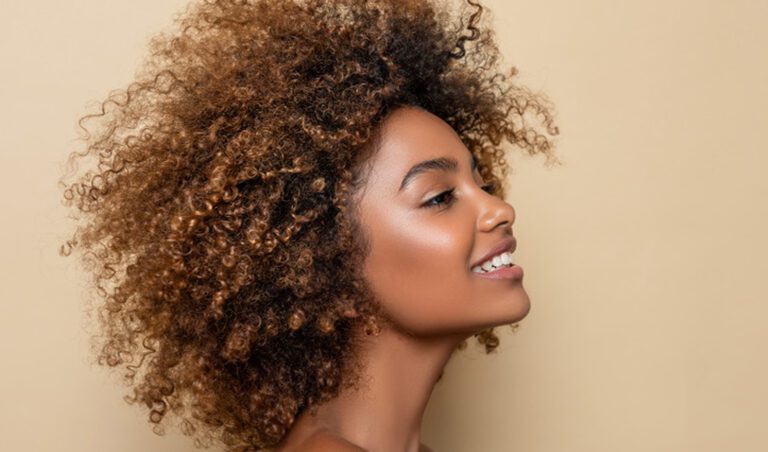
Plant-based foods are naturally rich in antioxidants and anti-inflammatory compounds, which protect cells from free radical damage, reduce inflammation, and slow down ageing processes. Colourful fruits such as berries, oranges, and mangoes, leafy greens, bell peppers, nuts, seeds, and green tea are excellent sources. Antioxidants like vitamins C and E, as well as carotenoids, promote collagen production, protect skin from oxidative stress, and contribute to stronger, healthier hair and nails.
Positive Benefits of Going Vegan for Nail Strength
Maintaining strong and healthy nails requires more than just external care—it starts from within. A well-balanced vegan diet can provide all the essential nutrients that support nail growth, resilience, and overall health. Proteins, vitamins, minerals, and healthy fats obtained from plant-based foods play a critical role in keratin production, cellular repair, and oxidative stress protection, all of which are key to preventing brittle, weak, or splitting nails. By focusing on nutrient-rich plant foods, individuals can naturally enhance nail strength while supporting overall body health.
Enhanced Keratin Production
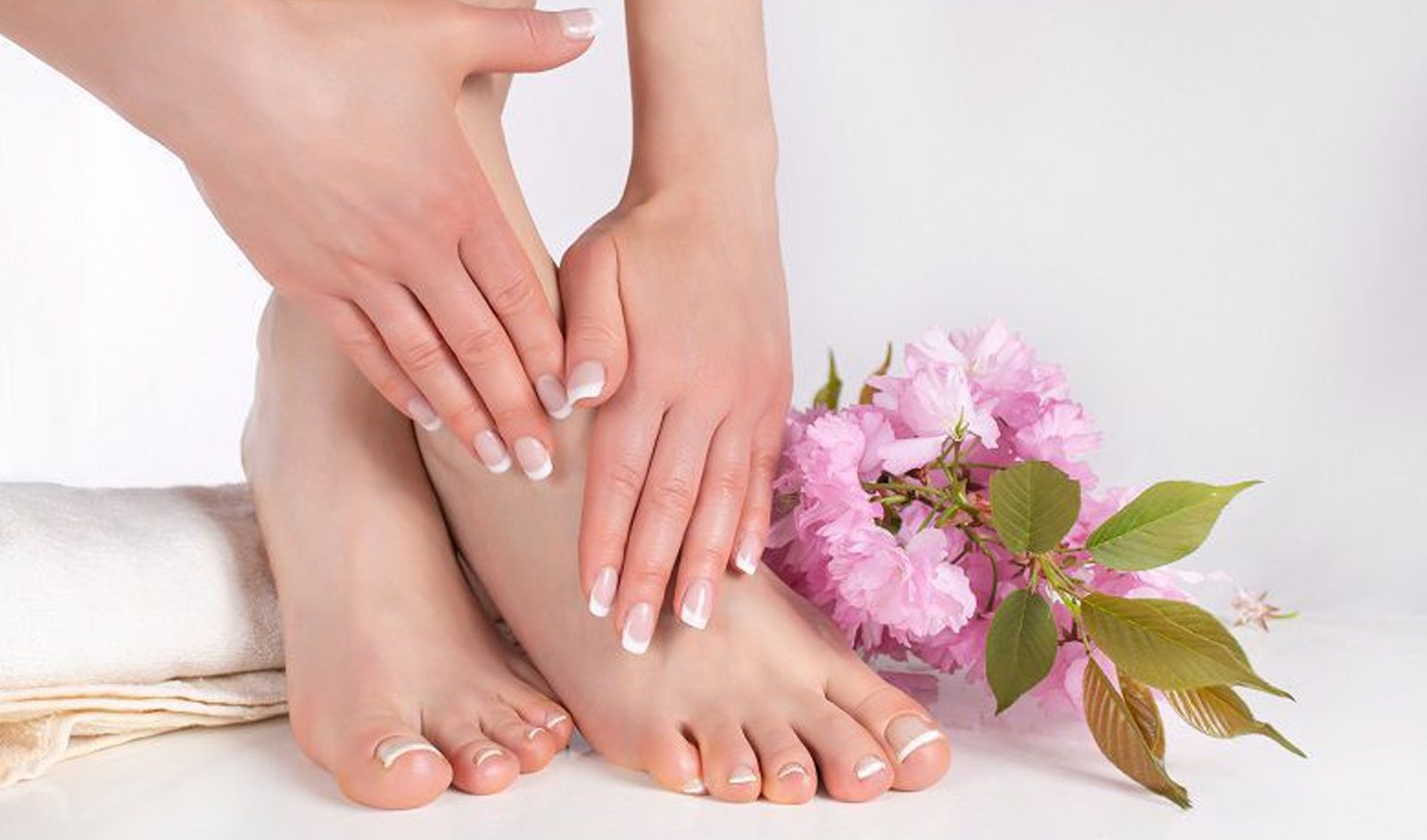
Protein is the building block of keratin, the primary structural component of nails. A well-planned vegan diet that includes legumes, tofu, tempeh, nuts, and seeds provides all the essential amino acids needed for keratin synthesis. Adequate protein intake strengthens nails, making them less prone to brittleness, splitting, and slow growth.
Essential Vitamins and Minerals for Nail Health
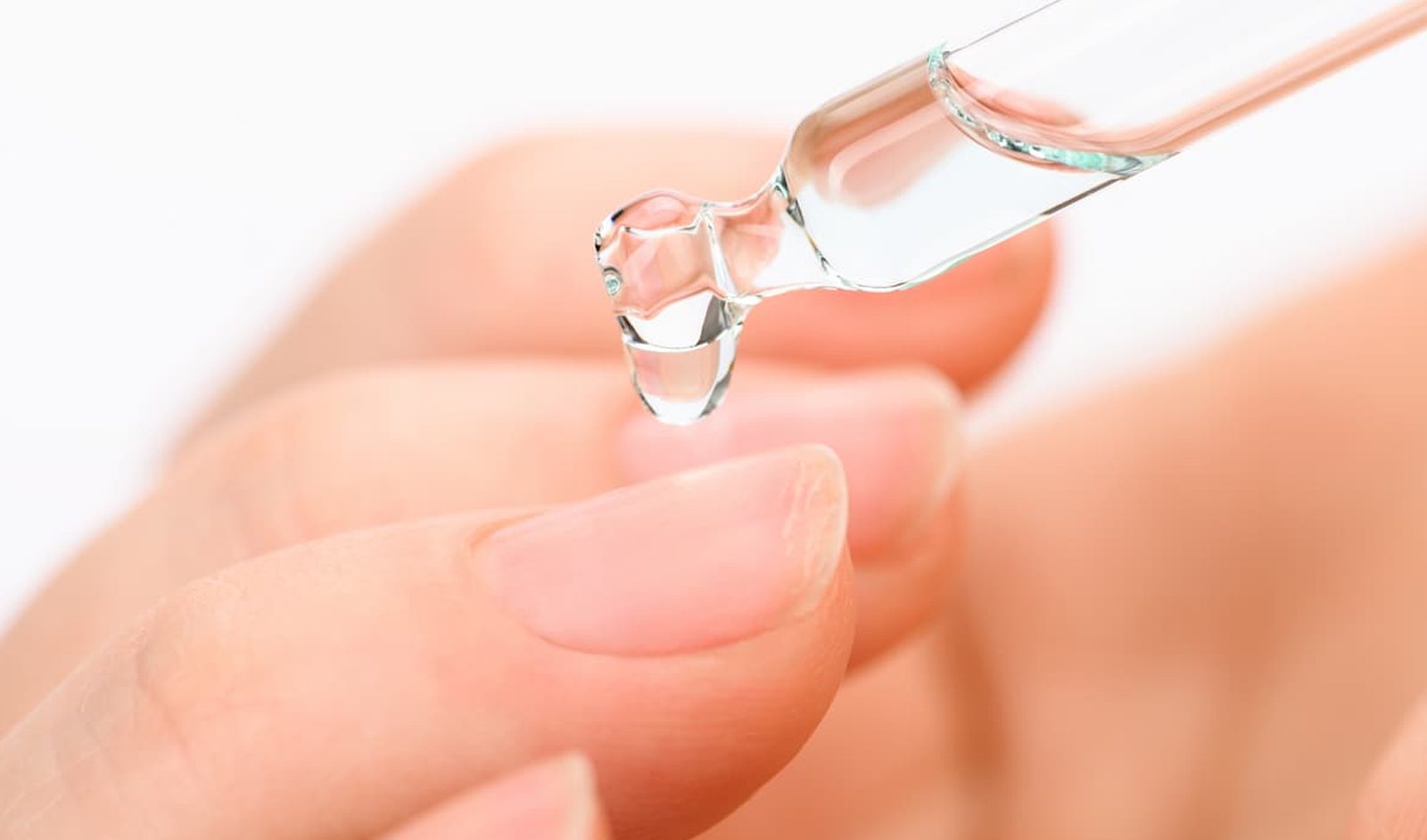
Vitamins and minerals such as biotin (B7), iron, zinc, and vitamins A, C, and E play a crucial role in maintaining nail strength. Biotin supports nail growth, iron ensures proper oxygen delivery to the nail bed, zinc aids in tissue repair, and antioxidants like vitamins C and E protect nails from oxidative stress. Plant-based sources—like almonds, lentils, leafy greens, and colorful vegetables—can effectively supply these nutrients.
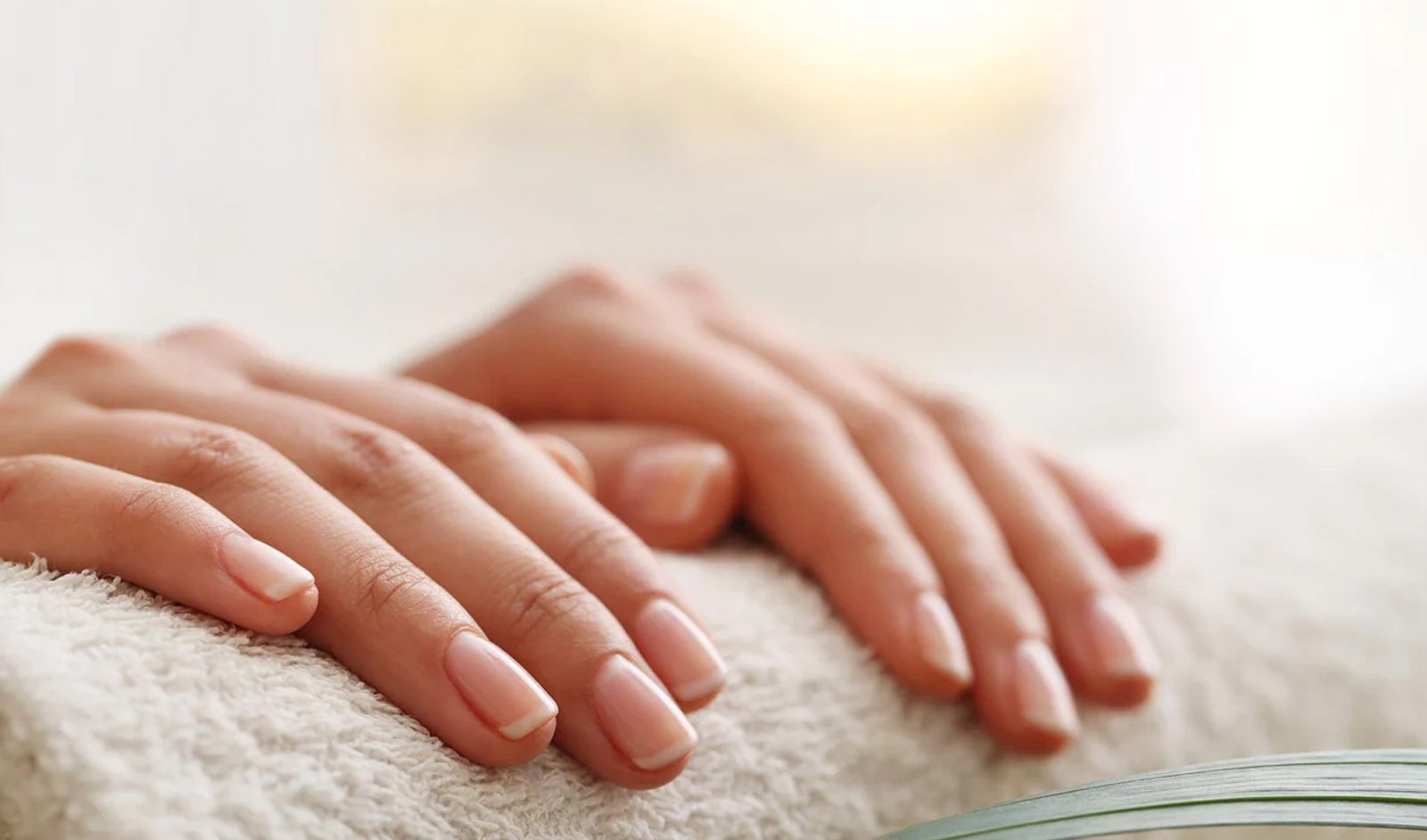
Improved Hydration and Flexibility
Healthy fats and omega-3 fatty acids found in flaxseeds, chia seeds, walnuts, and algae-based supplements help maintain nail hydration and flexibility. These nutrients prevent dryness, splitting, and breakage, supporting nails that are not only stronger but also more resilient and naturally healthy.
Practical Meal Planning
Achieving the best results with a vegan beauty routine begins with a foundation of proper nutrition. To support radiant skin, strong hair, and healthy nails, consider incorporating the following strategies:
Eat a Rainbow of Fruits and Vegetables Daily
Include Protein-Rich Foods at Every Meal
Combine Iron-Rich Foods with Vitamin C Sources
Stay Hydrated with Water and Herbal Teas
Consider appropriate supplementation, particularly B12

Clearer skin starts in your gut
Healthy, clear skin is closely connected to the health of the gut. Scientific research has established a strong link between the gut microbiome and skin conditions through what is known as the gut–skin axis. When the gut barrier and microbiota are balanced, the body is better able to regulate inflammation, control harmful bacteria, and improve nutrient absorption — all of which play a critical role in skin clarity.
A plant-based, vegan diet rich in fiber, leafy greens, legumes, and fermented foods helps nourish beneficial gut bacteria and promotes microbial diversity. This improved gut environment is associated with reduced systemic inflammation and more stable hormone regulation, both of which are important in managing acne, redness, and skin irritation.
Eliminating or significantly reducing dairy products has also been linked to improvements in acne severity due to its effects on insulin-like growth factor 1 (IGF-1) and hormonal pathways that influence oil production in the skin. In contrast, diets high in polyphenols, prebiotics, and probiotics have been shown to support skin barrier function and reduce the frequency of inflammatory skin conditions.

Stay Youthful with
a Plant-Based Lifestyle
Ageing is a natural biological process, but scientific research shows that nutrition plays a powerful role in how quickly visible signs of ageing appear. A well-balanced vegan diet is naturally rich in antioxidants, polyphenols, vitamins, and anti-inflammatory compounds that help protect cells from oxidative stress — one of the main drivers of skin ageing and tissue degeneration.
Plant-based diets have been shown to support mitochondrial function, enhance collagen preservation, and reduce chronic low-grade inflammation, which is strongly associated with wrinkles, loss of skin elasticity, and dull complexion. Nutrients such as vitamin C, vitamin E, beta-carotene, and plant-based omega-3 fatty acids help neutralise free radicals and support skin repair and regeneration at a cellular level.
In addition, vegan nutrition contributes to healthier blood circulation and oxygen delivery to the skin, helping maintain a fresher, firmer, and more radiant appearance over time. Diets rich in leafy greens, colorful vegetables, legumes, nuts, and seeds are also linked to improved metabolic health, which is closely tied to slower biological aging and longer cellular lifespan.