Home/Humane Foundation Team

Author: Humane Foundation Team

Humane Foundation Team

Humane Foundation Team

The Psychological Effects of Animal Cruelty on Society

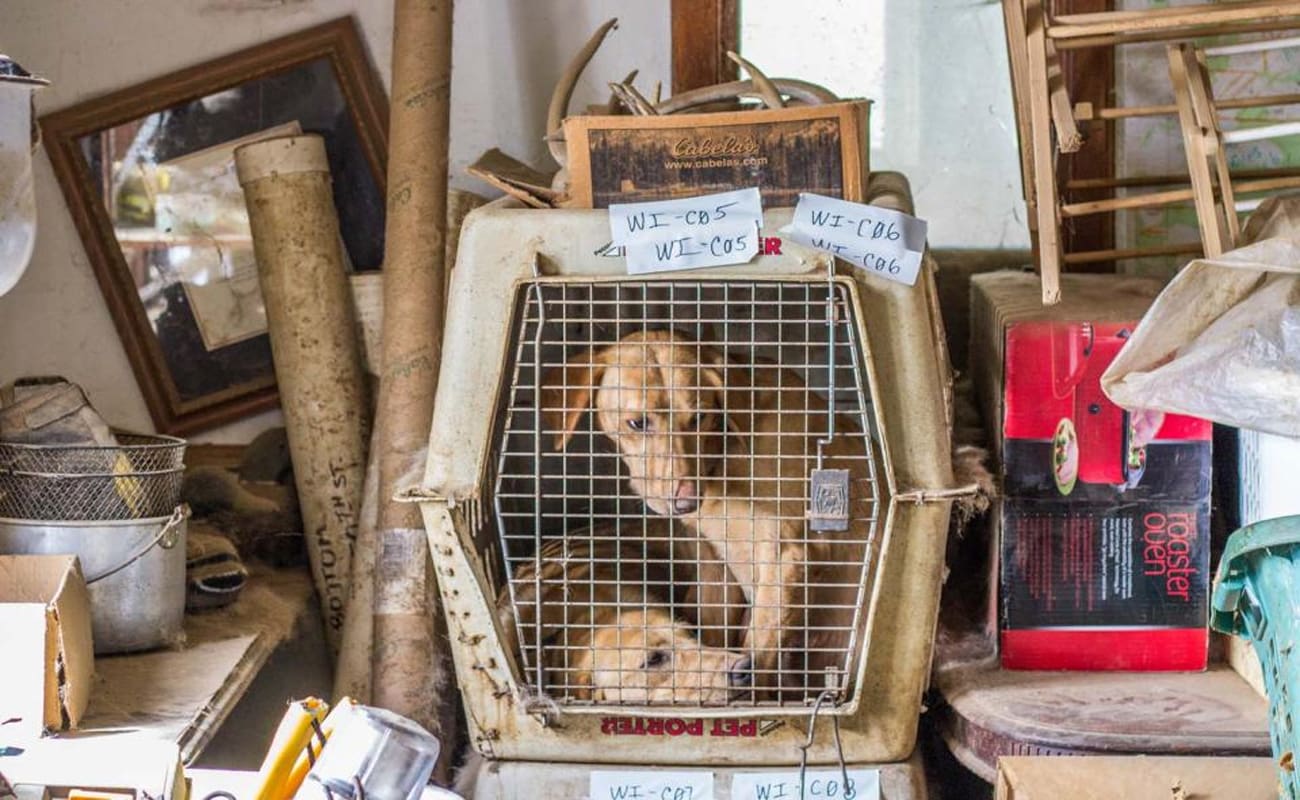
Animal cruelty is a pervasive issue that has a profound impact on both the animals involved and society as a whole. The deliberate infliction of physical or emotional harm on animals for human purposes, whether for entertainment, food, or any other reason, is a form of violence that has far-reaching consequences. The detrimental effects of animal cruelty extend beyond the immediate victims, as it also has a significant psychological impact on society. The harm caused to animals not only violates their basic rights but also affects the well-being of individuals and communities. As such, understanding the psychological effects of animal cruelty is crucial in addressing this pressing issue. In this article, we delve into the various ways in which animal cruelty affects society and its individuals, highlighting its ripple effects on mental health, empathy, and social norms. By shedding light on this often overlooked aspect of animal cruelty, we hope …

The Connection Between Childhood Abuse and Future Acts of Animal Cruelty

Childhood abuse and its long-term effects have been extensively studied and documented. However, one aspect that often goes unnoticed is the link between childhood abuse and future acts of animal cruelty. This connection has been observed and studied by experts in the fields of psychology, sociology, and animal welfare. In recent years, cases of animal cruelty have been on the rise and it has become a growing concern for our society. The impact of such acts not only affects the innocent animals but also has a profound impact on the individuals who commit such heinous acts. Through various research studies and real-life cases, it has been found that there is a strong correlation between childhood abuse and future acts of animal cruelty. This article aims to delve deeper into this subject and explore the reasons behind this connection. Understanding this connection is crucial in order to prevent future acts of …

How Technology is Helping to Combat Animal Cruelty

Animal cruelty is a pervasive issue that has plagued societies for centuries, with countless innocent creatures becoming victims of violence, neglect, and exploitation. Despite efforts to curb this heinous practice, it remains a prevalent problem in many parts of the world. However, with the rapid advancement of technology, there is now a glimmer of hope in the fight against animal cruelty. From sophisticated surveillance systems to innovative data analysis techniques, technology is revolutionizing the way we approach this pressing issue. In this article, we will explore the various ways in which technology is being utilized to combat animal cruelty and protect the dignity and well-being of our fellow creatures. We will also delve into the ethical implications of these advancements and the role that individuals, organizations, and governments play in leveraging technology for the greater good. With the aid of cutting-edge technology, we are witnessing a shift towards a more …

The Connection Between Animal Agriculture and Nitrogen Pollution

Nitrogen is a crucial element for life on Earth, playing a vital role in the growth and development of plants and animals. However, when excessive amounts of nitrogen enter the environment, it can have harmful effects on ecosystems and human health. One of the main contributors to this issue is the agricultural sector, specifically animal agriculture. The production and management of livestock, including cattle, poultry, and swine, have been linked to significant levels of nitrogen pollution. This phenomenon occurs mainly through the use of fertilizers and manure, which are rich in nitrogen, and from the ammonia emissions produced by animal waste. As the demand for animal products continues to rise globally, so does the concern for the impact of animal agriculture on nitrogen pollution. In this article, we will explore the connection between animal agriculture and nitrogen pollution, examining its causes, consequences, and potential solutions. By understanding this complex relationship, …

The Impact of Factory Farming on Animal Welfare and the Environment

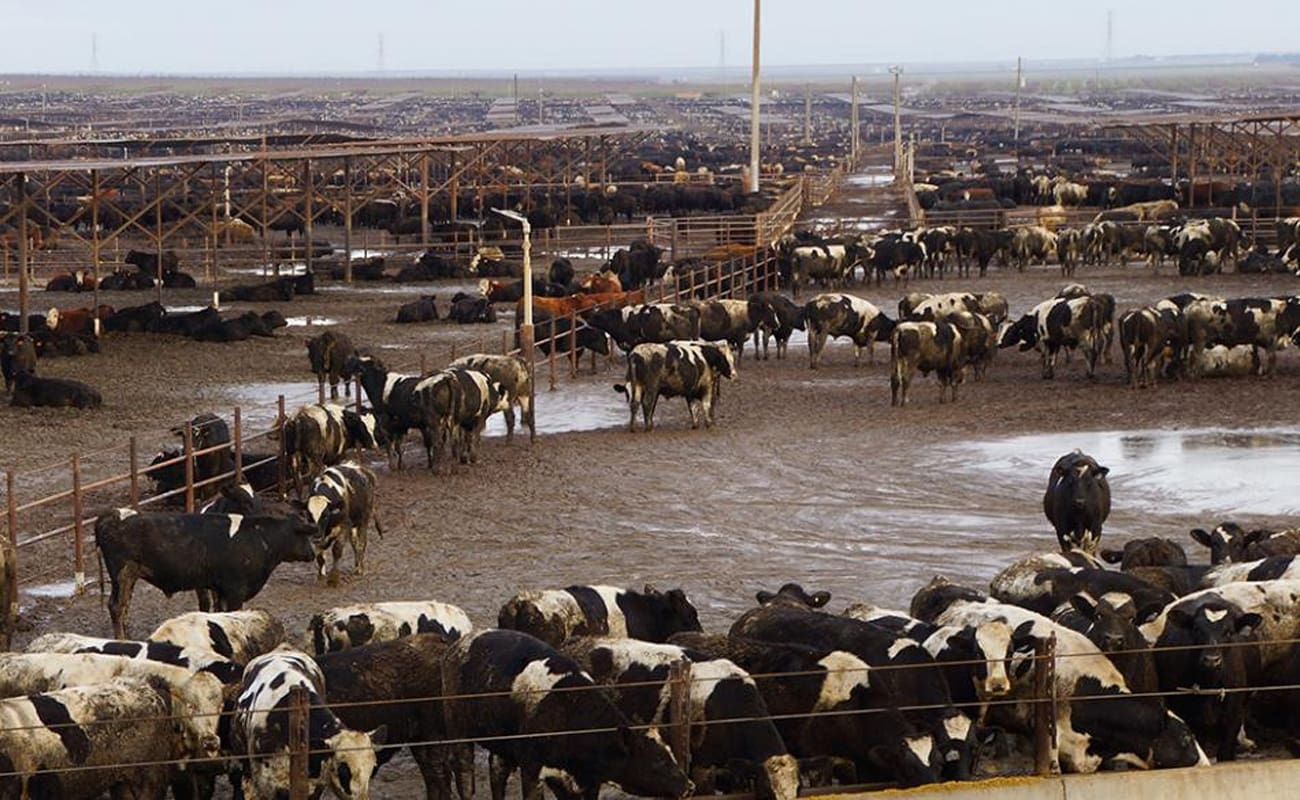
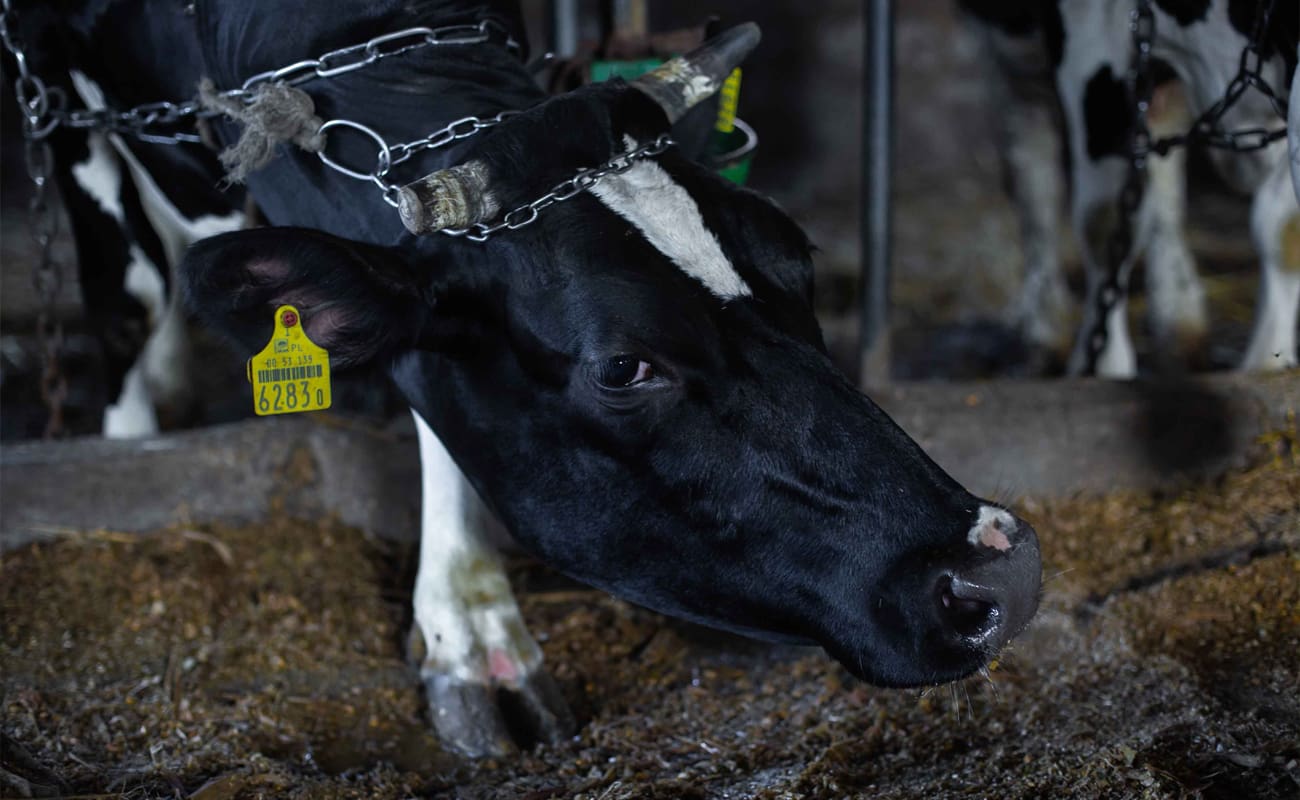
Factory farming, also known as industrial farming, is a modern agricultural practice that involves the intensive production of livestock, poultry, and fish in confined spaces. This method of farming has become increasingly prevalent in the past few decades due to its ability to produce large quantities of animal products at a lower cost. However, this efficiency comes at a significant cost to both animal welfare and the environment. The impact of factory farming on animals and the planet is a complex and multifaceted issue that has stirred much debate and controversy in recent years. In this article, we will delve into the various ways in which factory farming has affected both animals and the environment, and the consequences it has on our health and the sustainability of our planet. From the cruel and inhumane treatment of animals to the detrimental effects on land, water, and air, it is crucial to …

How Animal Welfare Organisations Fight Animal Cruelty: Advocacy, Rescue, and Education

Animal welfare organisations are at the forefront of tackling animal cruelty, addressing issues of neglect, abuse, and exploitation with unwavering dedication. By rescuing and rehabilitating mistreated animals, advocating for stronger legal protections, and educating communities on compassionate care, these organisations play a vital role in creating a safer world for all living beings. Their collaborative efforts with law enforcement and commitment to public awareness not only help prevent cruelty but also inspire responsible pet ownership and societal change. This article explores their impactful work in combating animal abuse while championing the rights and dignity of animals everywhere

Factory Farming and Its Role in Land Degradation, Soil Erosion, and Desertification

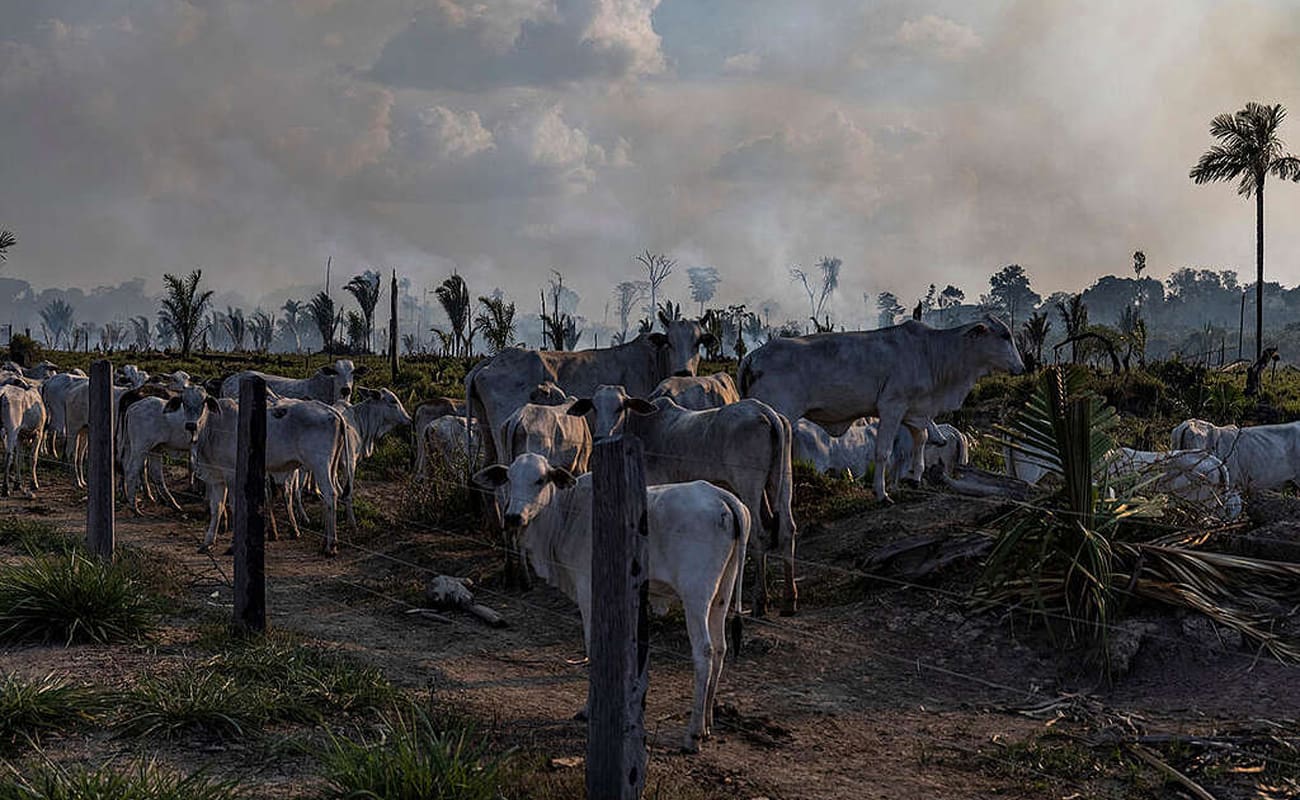
Factory farming is a major driver of environmental destruction, fuelling land degradation and desertification on an alarming scale. As industrial agriculture expands to meet the growing demand for meat and dairy, its unsustainable practices—such as overgrazing, deforestation, chemical runoff, and excessive fertiliser use—are depleting soil health, polluting water sources, and eroding biodiversity. These operations not only strip the land of its natural resilience but also threaten ecosystems worldwide. Understanding the impact of factory farms is crucial in advocating for sustainable food production methods that safeguard our planet’s resources for future generations

How Livestock Drive Methane Emissions and Accelerate Global Warming

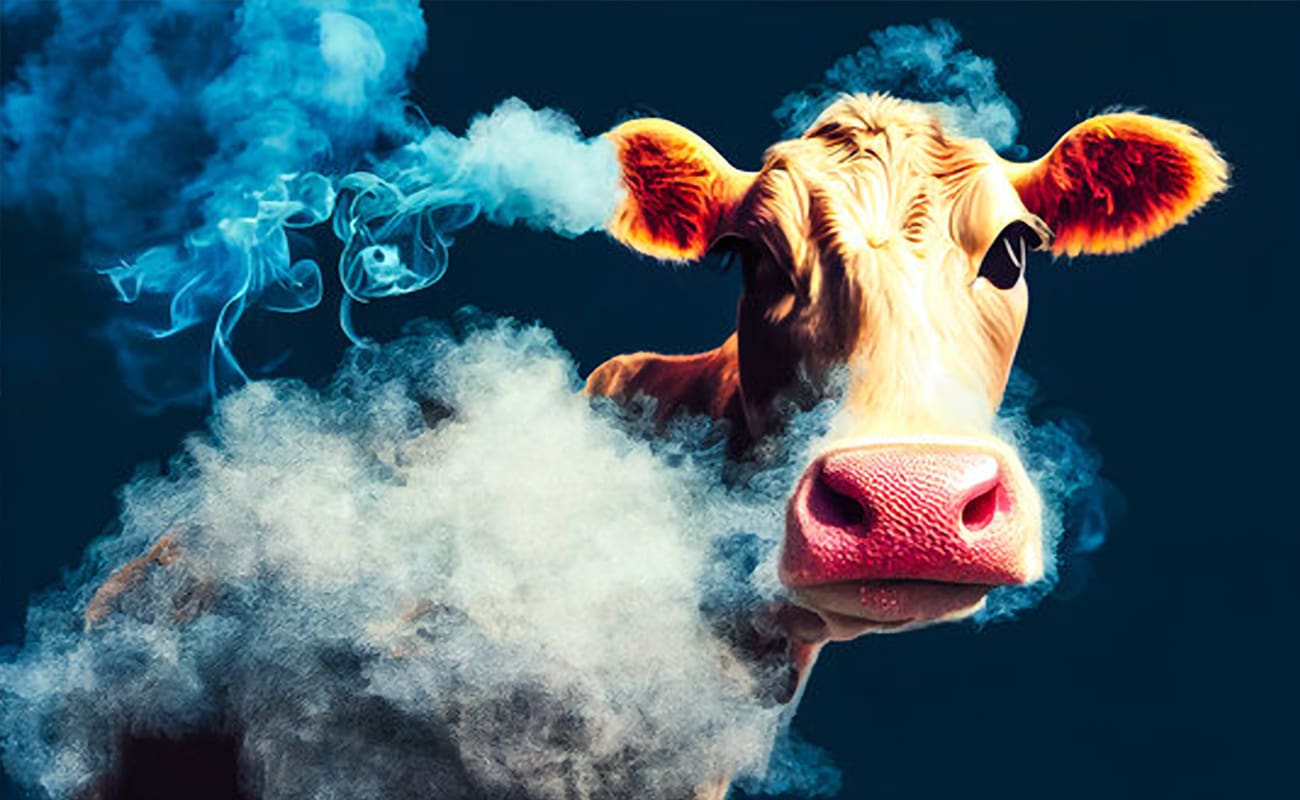
Methane emissions from livestock are a significant yet often underestimated driver of climate change, with ruminant animals like cattle and sheep playing a central role. As methane traps heat 28 times more effectively than carbon dioxide over a century, the livestock sector has emerged as a key contributor to global warming through enteric fermentation, manure management, and land use changes. With agriculture responsible for around 14% of global greenhouse gas emissions, tackling methane from livestock is essential for mitigating climate impacts. This article examines the relationship between livestock production and methane emissions while exploring sustainable strategies to reduce their environmental footprint without compromising food security

Exploring the Link Between Domestic Violence and Animal Abuse: Understanding the Overlap and Impact

The link between domestic violence and animal abuse exposes a harrowing cycle of control and cruelty that affects both human and animal victims. Research shows that many abusers target pets as a means to intimidate, manipulate, or inflict further harm on their partners, with up to 71% of domestic violence survivors reporting such incidents. This connection not only deepens the trauma for victims but also complicates their ability to seek safety due to concerns for their beloved animals. By shedding light on this disturbing overlap, we can work towards more comprehensive interventions that protect both people and pets while fostering compassion and safety within our communities

Exploring How Cultural Beliefs Shape Global Perspectives on Animal Rights and Welfare

Cultural beliefs play a pivotal role in shaping attitudes towards animal rights, influencing how societies view and treat animals across the globe. From religious practices to historical traditions, economic pressures to political ideologies, these deeply rooted values determine whether animals are regarded as sentient beings deserving of compassion or as commodities for human use. Geographic location and media portrayal further mould public opinion, while education emerges as a powerful tool to challenge outdated norms and inspire empathy. By examining the intricate interplay between culture and animal welfare, we can uncover pathways toward fostering more ethical treatment of animals and promoting global compassion for all living beings

Why Go Plant-Based?

Explore the powerful reasons behind going plant-based, and find out how your food choices truly matter.

How to Go Plant-Based?

Discover simple steps, smart tips, and helpful resources to begin your plant-based journey with confidence and ease.

Sustainable Living

Choose plants, protect the planet, and embrace a kinder, healthier, and sustainable future.

Read FAQs

Find clear answers to common questions.