Home/Humane Foundation Team

Author: Humane Foundation Team

Humane Foundation Team

Humane Foundation Team

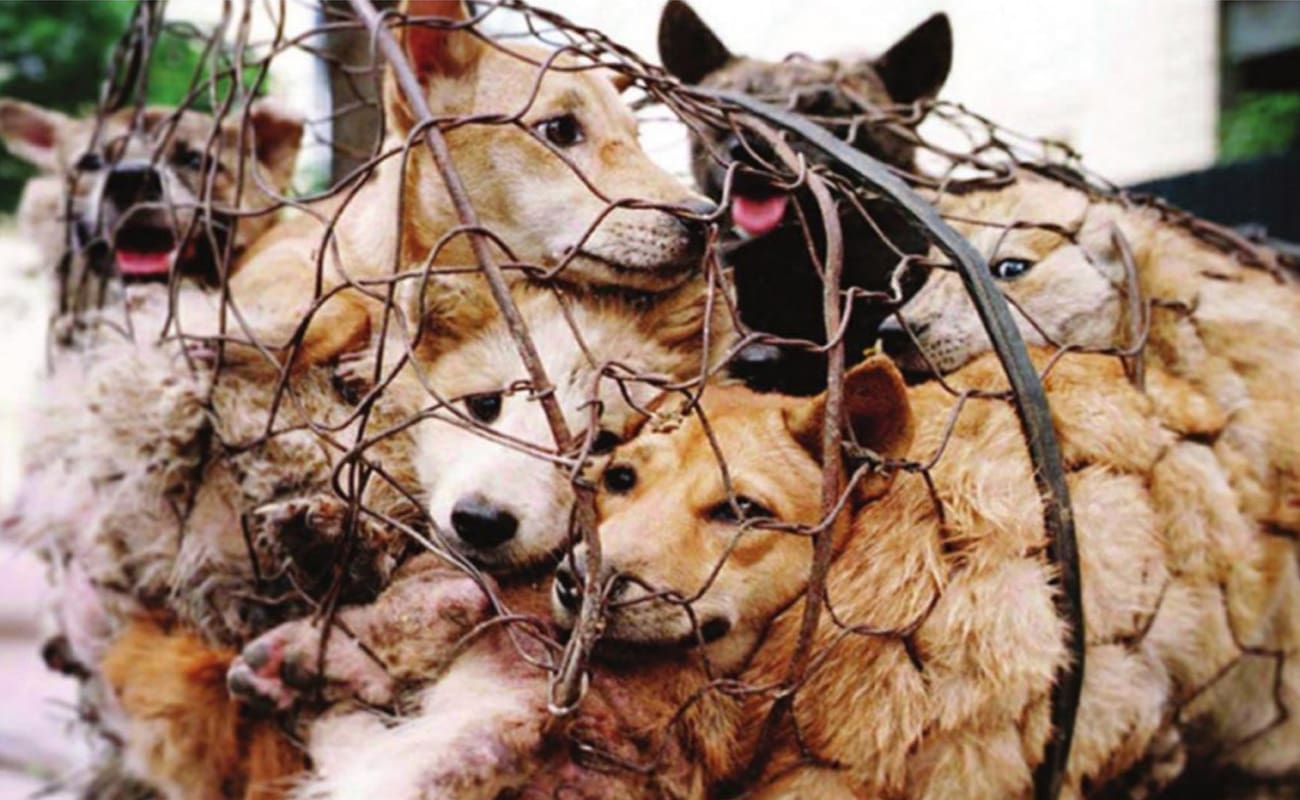
The Disturbing Truth About Animal Cruelty: Exploring Causes, Impact, and Solutions

Animal cruelty is a devastating global issue that continues to inflict unimaginable suffering on millions of animals each year. From neglect and abandonment to physical abuse and exploitation, these acts of cruelty not only harm defenceless creatures but also expose deeper ethical concerns within society. Whether it’s domestic pets, farm animals, or wildlife, the widespread nature of this problem highlights the urgent need for awareness, education, and action. By examining its root causes, societal impact, and potential solutions—including stronger legal measures and community-driven efforts—this article aims to inspire meaningful change towards a kinder, more humane future for all living beings
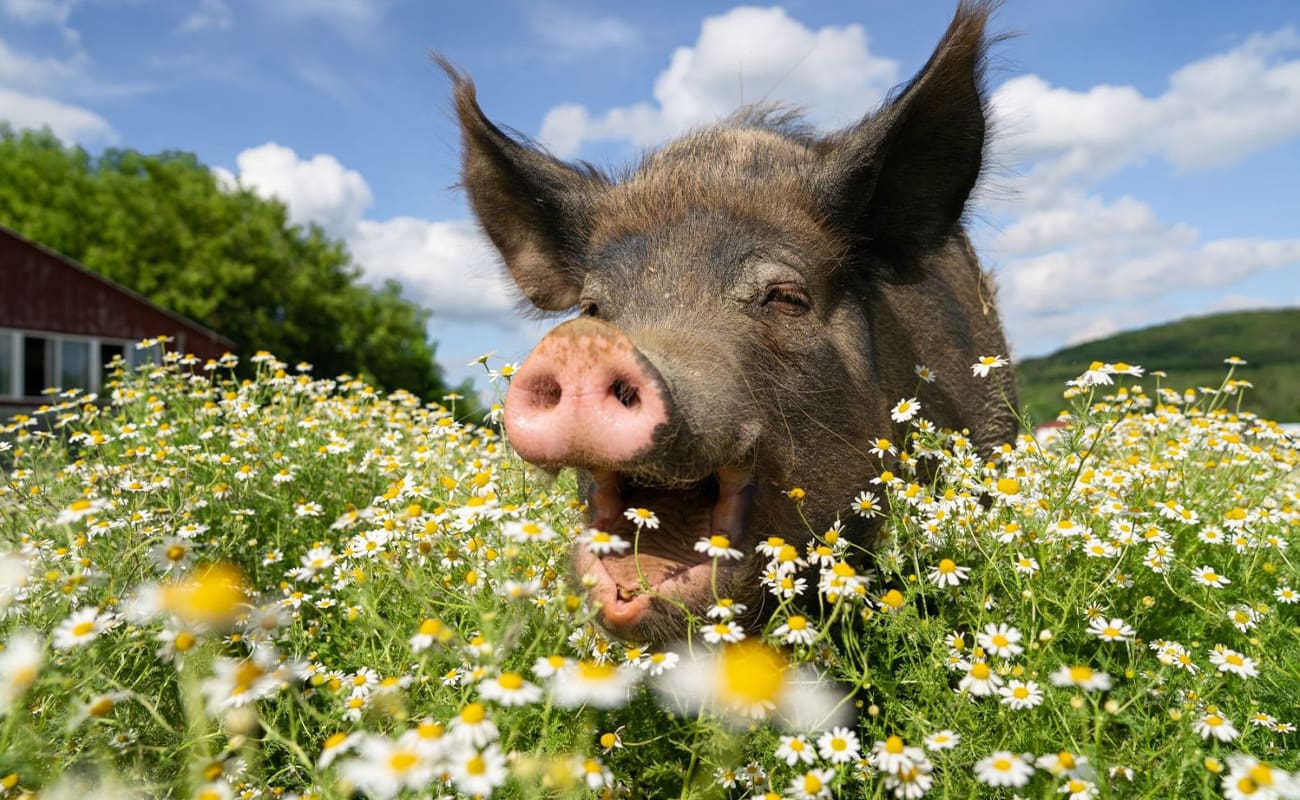

Ethical Veganism and Animal Rights: Exploring Compassionate Choices for a Cruelty-Free Lifestyle

Veganism represents a compassionate lifestyle rooted in the ethical principle that all animals deserve to live free from harm and exploitation. Beyond dietary preferences, it challenges industries that commodify sentient beings for food, clothing, and entertainment. By recognising the intrinsic value of animals and their capacity to suffer, veganism aligns with values of empathy, justice, and sustainability. As more people question traditional practices and seek cruelty-free alternatives, this movement continues to grow—offering a meaningful way to advocate for animal rights while fostering a kinder relationship with our planet

How Veganism Can Help Prevent Chronic Diseases: Exploring the Health Benefits of a Plant-Based Diet

The rise of veganism has brought renewed focus to its potential role in combating chronic diseases, which remain leading causes of death worldwide. With plant-based diets rich in fibre, antioxidants, and essential nutrients—and naturally lower in saturated fats—research highlights their ability to reduce the risk of conditions such as heart disease, type 2 diabetes, and certain cancers. By prioritising whole foods like fruits, vegetables, legumes, and nuts while minimising processed options and animal products, veganism offers a powerful approach to improving overall health. This article explores the evidence behind plant-based eating for disease prevention while addressing nutritional considerations and common myths surrounding this lifestyle

Animal Cruelty Laws, Ethical Challenges, and the Fight for Justice: Addressing Abuse and Promoting Compassion

Animal cruelty remains a pressing issue, shedding light on humanity’s responsibilities towards the welfare of animals and the urgent need for legal and ethical accountability. From isolated acts of abuse to systemic neglect in industries, these cases challenge societies to confront how animals are treated as sentient beings. As laws evolve and public awareness grows, addressing animal cruelty requires a multifaceted approach—strengthening legislation, ensuring fair enforcement, promoting education, and advocating for stricter penalties. This article examines the complexities surrounding animal cruelty cases while highlighting the collective steps needed to build a more compassionate society that prioritises justice and respect for all living creatures

Faith and Veganism: Uniting Compassion, Ethical Eating, and Spiritual Values

Religion and veganism may appear to be distinct realms, yet they share a profound bond rooted in compassion, ethics, and mindful living. Across diverse faith traditions, teachings such as stewardship of the Earth, non-violence (ahimsa), and respect for all creatures harmonise with the principles of veganism. This connection has led many to embrace plant-based lifestyles as an extension of their spiritual values while sparking important discussions about morality, environmental sustainability, and animal welfare. By examining how religious beliefs intersect with compassionate eating practices—and navigating cultural influences on dietary choices—this article explores the transformative potential of aligning faith with ethical consumption. Uncover how this synergy can inspire personal fulfilment, advocate social justice, and pave the way for a kinder world for all beings

Exploring Veganism Across Cultures: Global Traditions and Plant-Based Eating Practices

Veganism has grown from a niche lifestyle into a global movement, deeply intertwined with the culinary traditions and cultural identities of societies around the world. While modern plant-based trends often take centre stage, many cultures have long celebrated plant-based eating through time-honoured dishes shaped by history, religion, and sustainability. From East Asia’s versatile tofu creations to the Mediterranean’s olive oil-infused cuisine and Latin America’s hearty bean-based recipes, each region brings its own flavourful approach to veganism. As awareness of environmental issues and health benefits continues to rise globally, these rich traditions are inspiring a new generation of plant-based eaters who seek not only delicious alternatives but also an appreciation for cultural diversity. This article explores how various cultures integrate veganism into their lives, highlighting the unique practices that make this movement so dynamic and inclusive

Exploring the Psychological Effects of Animal Cruelty on Humans and Animals: Emotional Trauma, Behavioural Changes, and Societal Impacts

Animal cruelty inflicts profound psychological harm that reverberates across species, affecting both the animals subjected to mistreatment and the humans who witness or perpetrate it. The emotional distress experienced by abused animals can lead to lasting behavioural changes, while for humans, exposure to such violence risks desensitisation and a diminished capacity for empathy. These effects contribute to broader societal challenges, including normalised aggression and cycles of violence. This article examines the intricate psychological consequences of animal cruelty, highlighting its impact on mental health, relationships, and social dynamics. By fostering awareness, promoting empathy-driven education, and prioritising rehabilitation for victims and offenders alike, we can address these far-reaching effects and advocate for a kinder future where all beings are treated with dignity

Exploring the Link Between Factory Farming and Respiratory Diseases in Humans

Factory farming, or intensive animal agriculture, has revolutionized food production to meet global demands but comes at a significant cost to human health. Beyond its environmental and ethical concerns, this industrialized system poses serious risks for respiratory diseases in humans. Crowded, unsanitary conditions in factory farms create breeding grounds for airborne pathogens and zoonotic diseases, while pollutants like ammonia and particulate matter from animal waste contaminate air quality. The routine use of antibiotics further exacerbates the issue by fueling antibiotic resistance, complicating the treatment of respiratory infections. This article explores the alarming connection between factory farming practices and respiratory health risks—shedding light on their impact on workers, nearby communities, consumers, and public health at large—while advocating for sustainable solutions to protect both people and the planet

How Law Enforcement Agencies Tackle Animal Cruelty: Enforcing Anti-Cruelty Laws and Protecting Animals

Law enforcement agencies are integral to upholding anti-cruelty laws designed to protect animals from abuse and neglect. Their efforts extend beyond investigation, encompassing collaboration with animal shelters, welfare organisations, and communities to ensure justice for animal victims. By prioritising education, specialised training, and advocacy for stricter penalties against offenders, these agencies contribute significantly to fostering a culture of compassion and accountability. This article examines their crucial role in enforcing these laws, addressing challenges in prosecution, and implementing strategies that promote the well-being of animals while encouraging public vigilance against cruelty

Exploring the Link Between Meat, Dairy, and Skin Health: Acne, Eczema, Psoriasis & More

Skin conditions such as acne, eczema, psoriasis, and rosacea are not only widespread but can also deeply affect confidence and well-being. While genetics and environmental factors play a role, emerging research suggests that diet—particularly the consumption of meat and dairy—may significantly influence skin health. Hormonal components in dairy have been associated with acne breakouts, while saturated fats in certain meats may fuel inflammation linked to eczema and other conditions. Understanding these dietary connections offers an opportunity to make informed choices that could promote clearer, healthier skin. This article examines the science behind these links and highlights plant-based alternatives that may support a glowing complexion naturally

Why Go Plant-Based?

Explore the powerful reasons behind going plant-based, and find out how your food choices truly matter.

How to Go Plant-Based?

Discover simple steps, smart tips, and helpful resources to begin your plant-based journey with confidence and ease.

Sustainable Living

Choose plants, protect the planet, and embrace a kinder, healthier, and sustainable future.

Read FAQs

Find clear answers to common questions.