Home/Humane Foundation Team

Author: Humane Foundation Team

Humane Foundation Team

Humane Foundation Team

Vitamin Deficiencies Associated with a Diet High in Animal Products

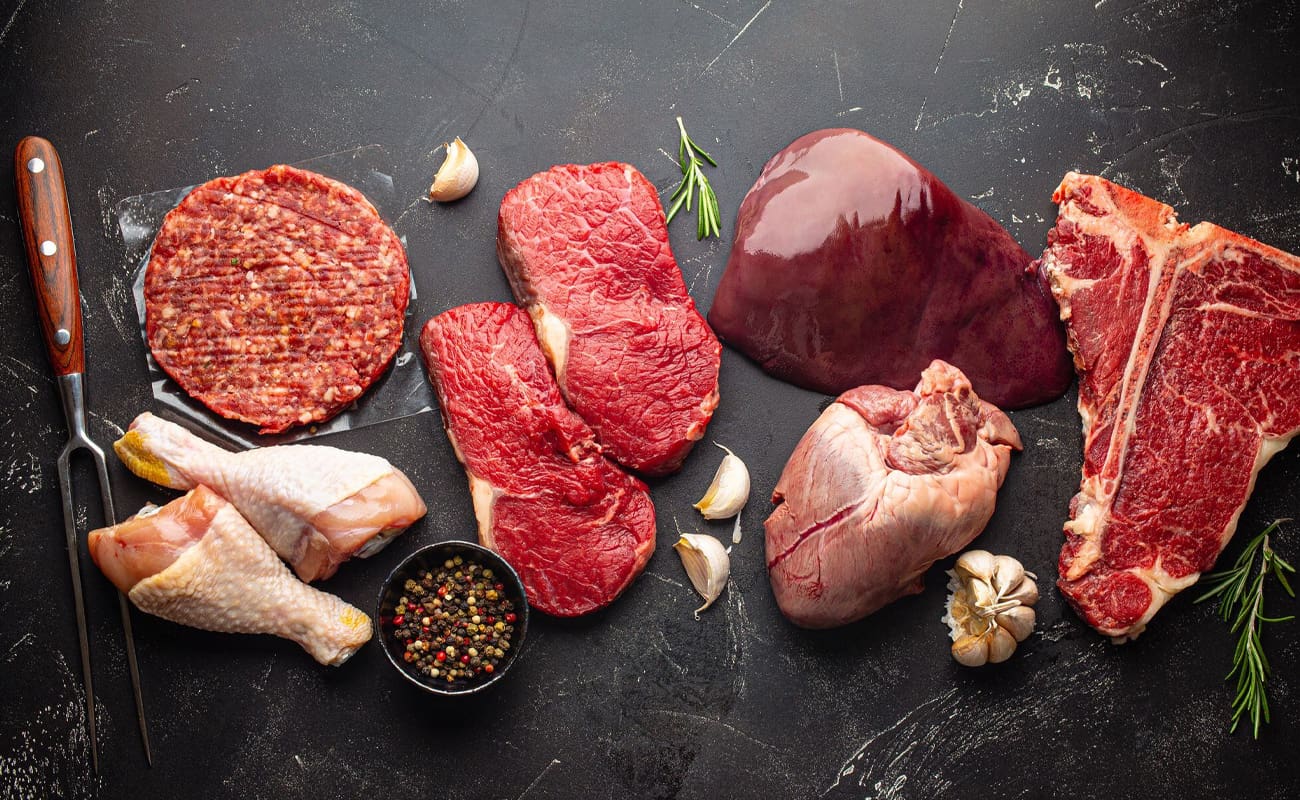
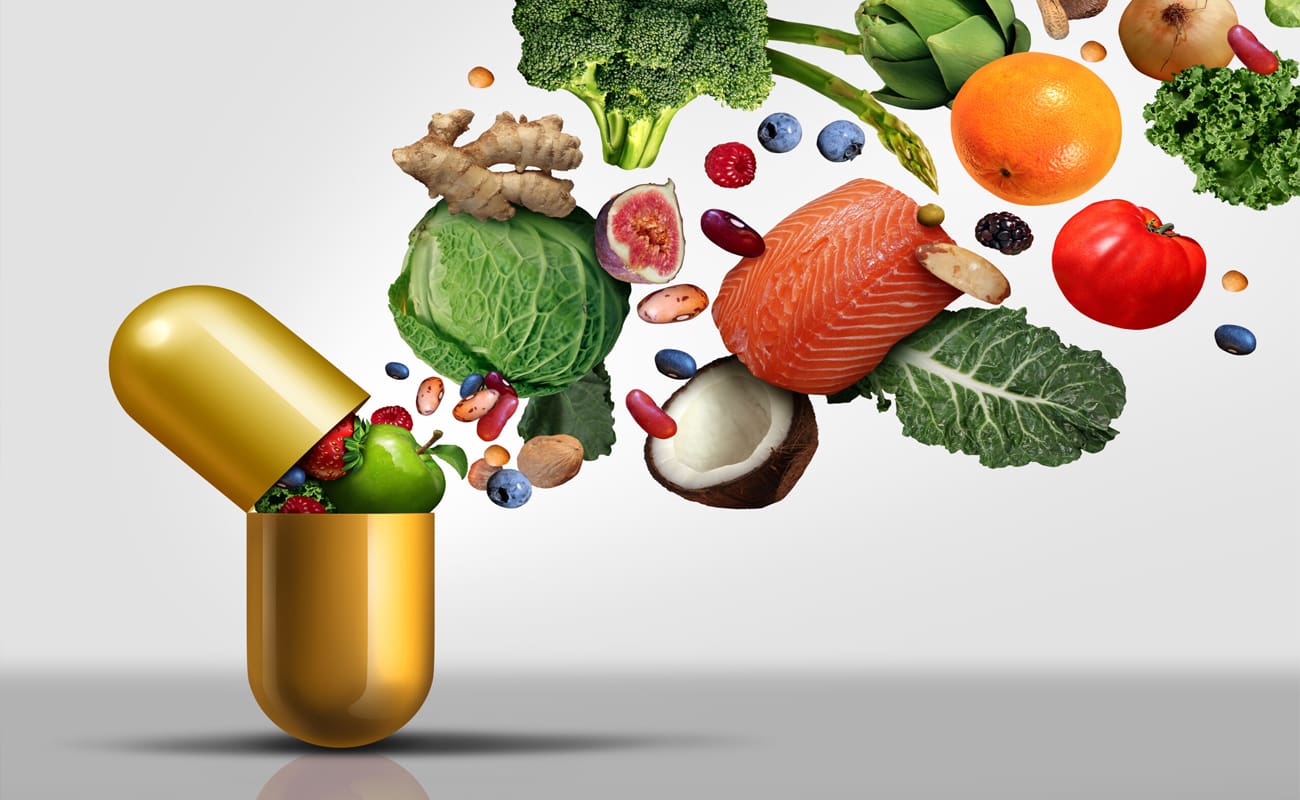
In recent years, there has been growing concern about the potential health impacts of diets high in animal products. While these diets often provide substantial amounts of protein, iron, and other nutrients, they may also lead to specific vitamin deficiencies that can affect overall health. Understanding these potential deficiencies is crucial for anyone considering or already following a diet rich in animal products. 1. Vitamin C Deficiency Vitamin C, or ascorbic acid, plays a crucial role in numerous bodily functions, including collagen synthesis, iron absorption, and immune system support. This essential nutrient is abundant in many fruits and vegetables, but animal products generally do not provide significant amounts of Vitamin C. Consequently, individuals whose diets are predominantly composed of animal products may face an increased risk of Vitamin C deficiency if they do not incorporate sufficient plant-based foods. Vitamin C is vital for the synthesis of collagen, a protein that …
Advocating for Farm Animal Welfare: Effective Strategies in Animal Rights Activism

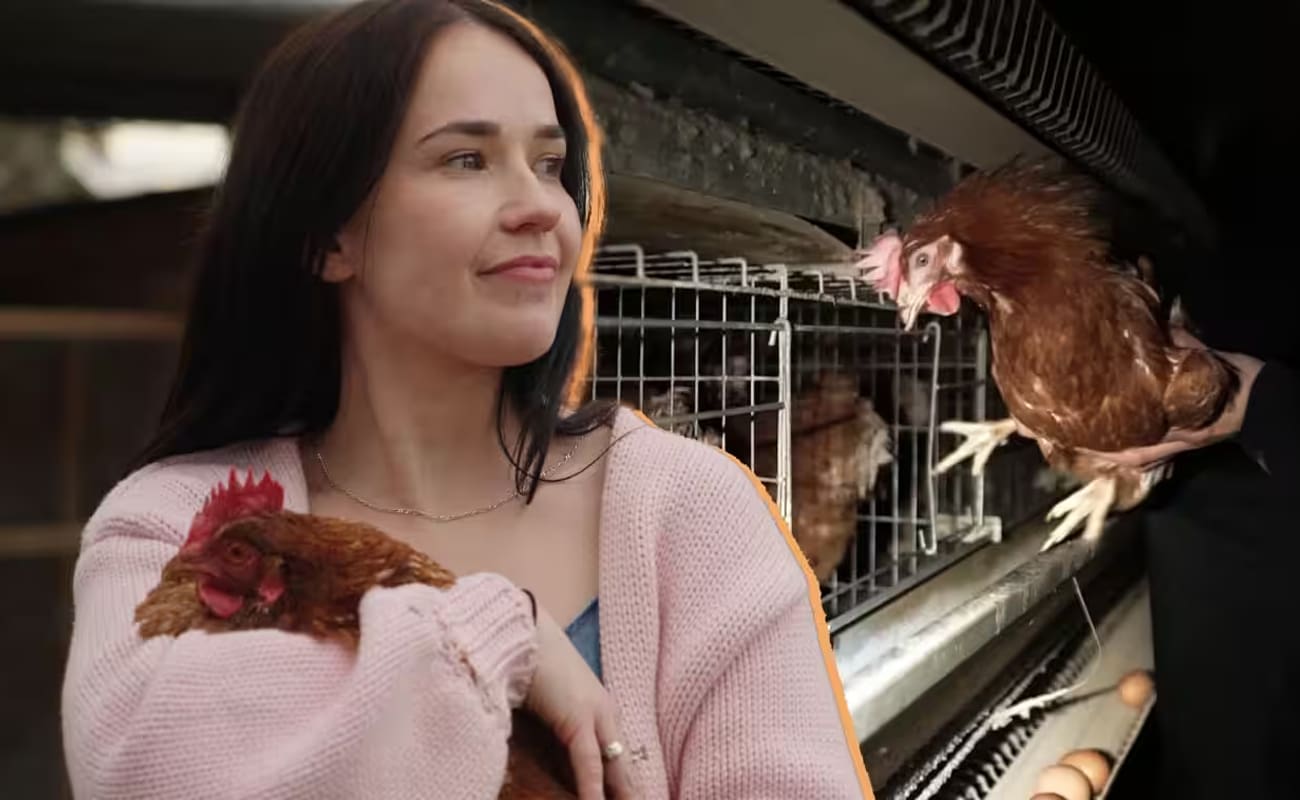
Animal rights activism is driving meaningful change for farm animals, challenging outdated practices and advocating for a more compassionate future. With growing awareness of the cruelty in factory farming, activists are championing ethical alternatives through peaceful protests, legislative advocacy, plant-based living, and community education. From supporting local organisations to leveraging social media and boycotting companies that exploit animals, these efforts are reshaping industries while inspiring individuals to take action. This article highlights the impactful strategies transforming animal welfare and empowering people to make a difference for those who cannot speak for themselves

Understanding the Health Risks of Meat Consumption: Processed Meats, Heart Disease, and Safer Alternatives

Meat has been a dietary staple for generations, valued for its protein and nutrient content. However, mounting research highlights the potential health risks tied to consuming meat products, particularly red and processed varieties. From links to heart disease and cancer to concerns over antibiotic resistance, hormonal imbalances, and foodborne illnesses, the implications of modern meat consumption are increasingly coming under scrutiny. Coupled with environmental and ethical considerations, these findings are prompting many to rethink their dietary habits. This article examines the evidence behind these risks while offering guidance on making balanced choices that support both personal health and a sustainable future

Compassionate Living Through Veganism: Ethical Choices for Health, Sustainability, and Animal Welfare

Veganism represents a profound shift towards living with empathy, sustainability, and ethical awareness. By prioritising plant-based choices, individuals can significantly reduce harm to animals, lessen environmental impact, and enhance personal well-being. This lifestyle goes beyond diet—it’s a commitment to creating a more compassionate world through conscious decisions in food, clothing, and everyday products. As the movement grows globally, it highlights the power of aligning our actions with values that respect all living beings while addressing pressing issues like climate change and animal welfare

How Law Enforcement Tackles Animal Cruelty: Investigations, Prosecutions, and Justice for Victims

Animal cruelty is a grave issue that persists globally, inflicting immense suffering on countless animals through neglect, abandonment, and deliberate harm. Law enforcement plays a vital role in combating this injustice by investigating cases, prosecuting offenders, and safeguarding the welfare of vulnerable animals. Their work not only seeks justice for these defenceless victims but also serves as a deterrent to prevent future acts of cruelty. This article delves into the indispensable efforts of law enforcement in tackling animal abuse—examining the legal frameworks they operate within, the challenges they encounter during investigations and prosecutions, and the importance of partnerships with animal welfare organisations. By understanding their commitment to protecting animals and upholding accountability, we can better support their mission to create safer communities for all living beings

The Hidden Costs of Cheap Meat and Dairy: Environmental, Health, and Ethical Impacts

Cheap meat and dairy products may seem like a bargain, but their true cost goes far beyond the price tag. Behind the appealing affordability lies a cascade of hidden impacts on health, the environment, and animal welfare. From deforestation and greenhouse gas emissions to antibiotic resistance and unethical farming practices, these industries often prioritise profit over sustainability. This article uncovers the unseen consequences of cheap meat and dairy production, offering insight into how informed choices can pave the way for a healthier planet, ethical treatment of animals, and improved well-being for all

How a Vegan Diet Enhances Skin Health, Reduces Aging Signs, and Promotes a Radiant Complexion

A vegan diet offers a powerful way to enhance skin health and combat signs of ageing naturally. By focusing on nutrient-dense, plant-based foods rich in antioxidants, vitamins, and essential fatty acids, you can support collagen production, improve hydration, and protect against oxidative stress. Fruits, vegetables, nuts, seeds, and whole grains provide the building blocks for a radiant complexion while helping to reduce inflammation and redness. With benefits ranging from clearer skin to improved elasticity and reduced wrinkles, adopting a vegan lifestyle not only promotes overall well-being but also serves as an effective approach to achieving youthful and glowing skin

Animal Cruelty in Factory Farms: How It Impacts Public Health, Food Safety, and the Environment

Factory farming, the cornerstone of industrial meat and dairy production, is increasingly criticised for its devastating impact on both animal welfare and public health. Beyond the ethical issues surrounding the mistreatment of animals, these operations are hotspots for zoonotic diseases, antibiotic resistance, and foodborne illnesses—posing serious risks to human health. Overcrowded conditions, poor hygiene practices, and excessive antibiotic use not only harm animals but also create pathways for dangerous pathogens like Salmonella and E. coli to contaminate our food supply. This article examines the connection between animal cruelty in factory farms and its wide-ranging public health consequences while highlighting potential solutions to promote a safer, more compassionate approach to food production

How Media Coverage Drives Awareness and Action Against Animal Cruelty in Factory Farming

Media coverage has emerged as a powerful tool in revealing the hidden realities of factory farming and the widespread cruelty inflicted on animals within these operations. Through undercover investigations, documentaries, and viral campaigns, journalists and activists have brought attention to the grim conditions endured by animals—cramped spaces, unsanitary environments, and brutal practices that prioritise profit over welfare. These revelations not only spark public outrage but also influence consumer choices and pressure policymakers to enact reforms. By amplifying awareness and encouraging accountability, media plays a vital role in challenging unethical practices and advocating for a more humane approach to food production

Understanding the Psychological Impact of Animal Cruelty on Farm Animals: Behaviour, Trauma, and Ethical Concerns

Animal cruelty on farms is an often-overlooked issue with far-reaching psychological impacts. Beyond the visible physical harm, farm animals endure immense emotional suffering from neglect, abuse, and confinement. These sentient beings experience chronic stress, fear, anxiety, and depression—conditions that disrupt their natural behaviours and social bonds. Such mistreatment not only diminishes their quality of life but also raises pressing ethical concerns about intensive farming practices. By addressing the mental toll of cruelty on farm animals, we can push for compassionate welfare standards that promote both humane treatment and a more sustainable approach to agriculture

Why Go Plant-Based?

Explore the powerful reasons behind going plant-based, and find out how your food choices truly matter.

How to Go Plant-Based?

Discover simple steps, smart tips, and helpful resources to begin your plant-based journey with confidence and ease.

Sustainable Living

Choose plants, protect the planet, and embrace a kinder, healthier, and sustainable future.

Read FAQs

Find clear answers to common questions.