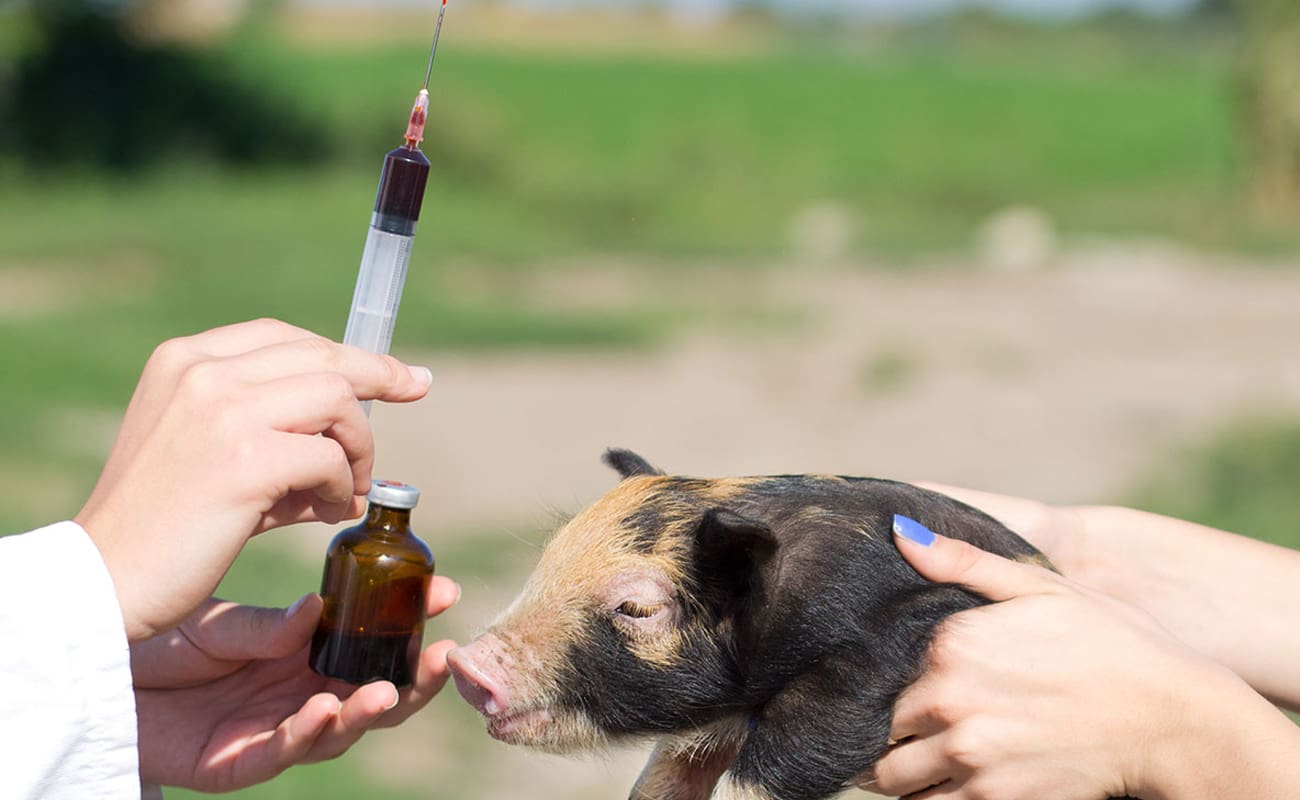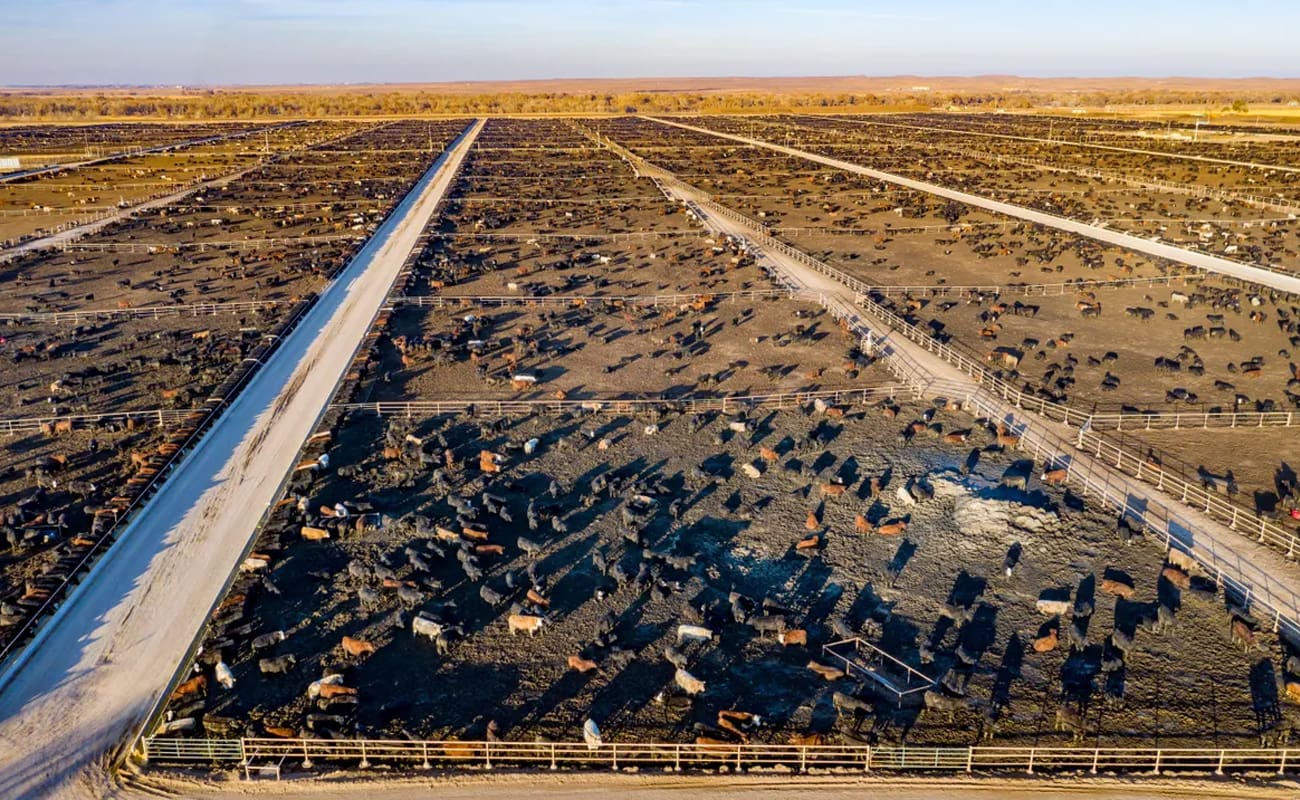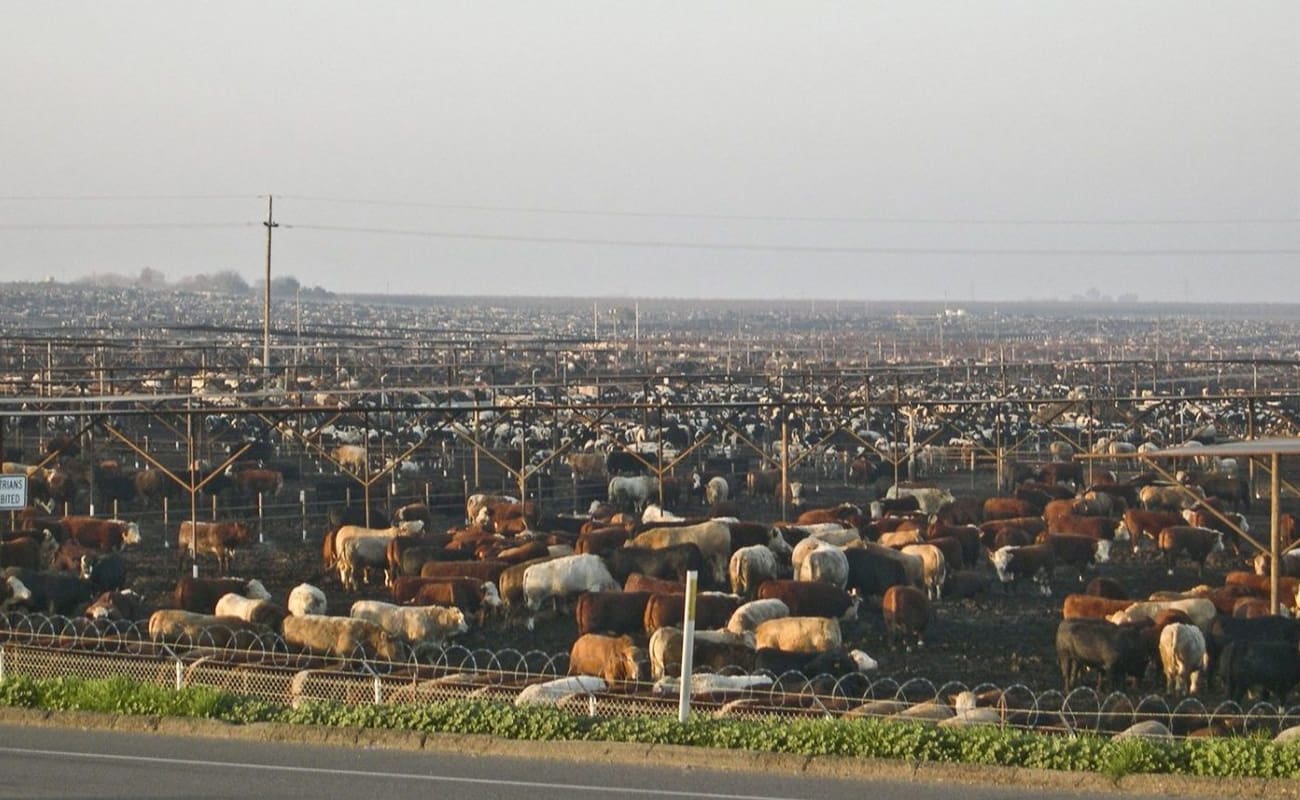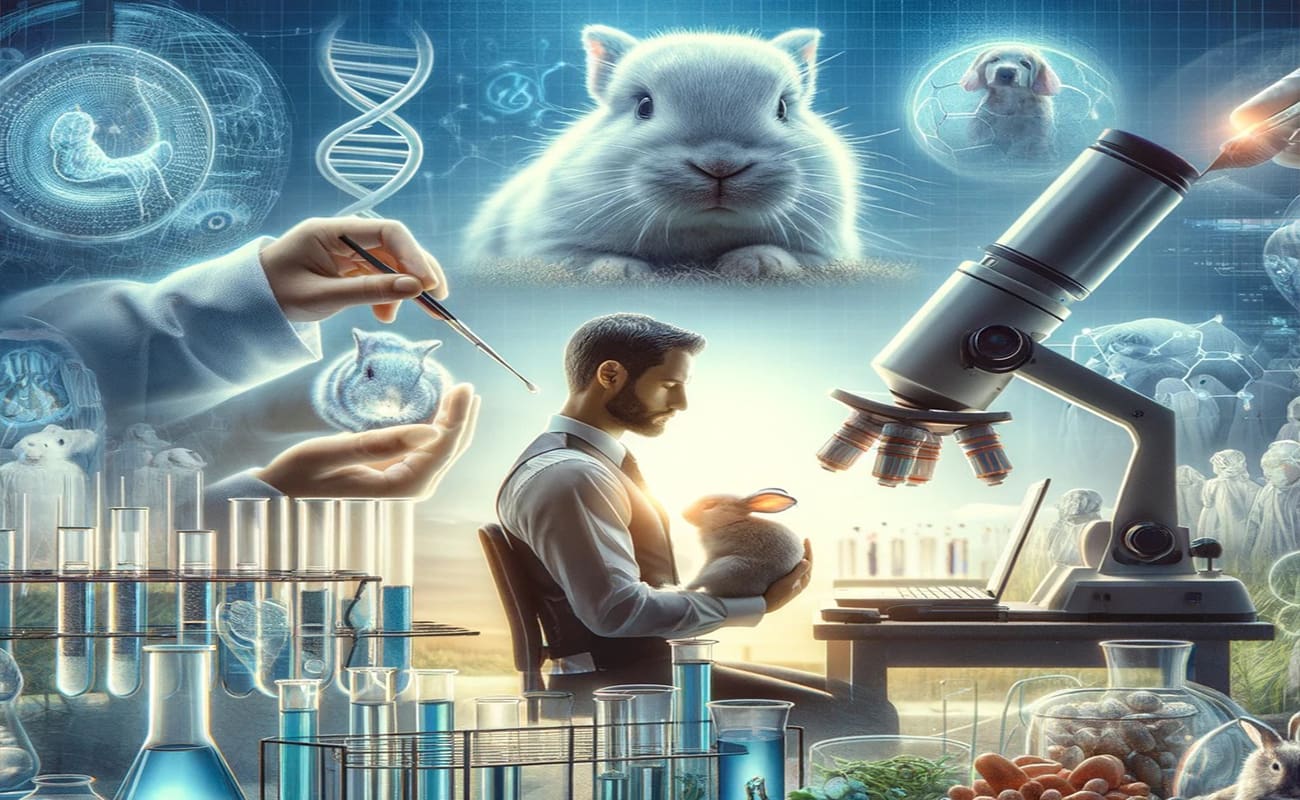

Antibiotic resistance and pollution from animal agriculture waste are urgent global challenges with far-reaching consequences for public health, ecosystems, and food security. The routine use of antibiotics in livestock farming to boost growth and prevent disease has contributed to the alarming rise of antibiotic-resistant bacteria, undermining the effectiveness of essential treatments. At the same time, poorly managed waste from concentrated animal feeding operations (CAFOs) introduces harmful pollutants—including antibiotic residues, hormones, and excess nutrients—into soil and water systems. This contamination threatens aquatic life, compromises water quality, and accelerates the spread of resistant bacteria through environmental pathways. Tackling these issues demands sustainable farming practices that prioritise ethical approaches to antibiotic use alongside robust waste management strategies to protect human health and preserve ecological balance