Home/Humane Foundation Team

Author: Humane Foundation Team

Humane Foundation Team

Humane Foundation Team

Plant-Based Diets for Weight Loss: Vegan Eating Tips to Shed Pounds Naturally

The growing shift towards plant-based eating is reshaping how we approach weight loss, with veganism standing out as a highly effective and health-conscious option. By focusing on whole, fibre-packed foods and cutting out calorie-dense animal products, this lifestyle naturally supports weight management while enhancing overall health. Research highlights its ability to lower BMI, improve metabolism, and promote fullness—key factors in achieving sustainable weight loss. Beyond personal benefits, veganism aligns with environmentally friendly practices, making it a win for both your body and the planet. This article explores the science behind plant-based eating for weight loss success while offering practical tips to help you embrace this nourishing lifestyle effortlessly


Processed Meats and Cancer: Understanding the Risks and Health Implications

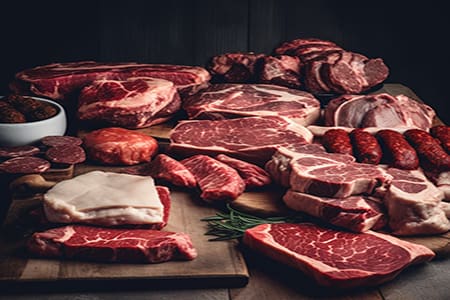
The link between processed meats and cancer risk continues to raise alarm as research highlights their harmful effects on health. Products like bacon, sausages, ham, and deli meats undergo preservation methods that introduce carcinogenic compounds such as nitrites and polycyclic aromatic hydrocarbons (PAHs). Classified as Group 1 carcinogens by the World Health Organization (WHO), these foods have been strongly associated with colorectal cancer and other types of malignancies. With global cancer rates climbing steadily, understanding the risks tied to processed meat consumption is essential for making healthier dietary choices. This article explores the science behind these concerns, examines how processing methods influence health outcomes, and provides practical strategies for reducing exposure while maintaining a balanced diet

The Role of a Vegan Diet in Managing Diabetes and Blood Sugar Levels

Diabetes, a chronic condition affecting millions worldwide, demands effective strategies for blood sugar management to prevent serious complications. While traditional treatments like medication and insulin therapy remain essential, growing evidence highlights the transformative potential of dietary changes—particularly a vegan diet. Packed with fiber-rich whole grains, fruits, vegetables, legumes, and healthy fats, a plant-based lifestyle has been linked to improved insulin sensitivity, stabilized blood sugar levels, reduced inflammation, and even lower diabetes risk. This article delves into the science behind these benefits and provides actionable tips for incorporating vegan principles into diabetes care. Whether you’re managing diabetes or exploring innovative approaches as a healthcare professional, discover how embracing a vegan diet can support better blood sugar control and overall well-being

How a Vegan Diet Can Help Prevent Chronic Diseases

As chronic diseases like heart disease, diabetes, and cancer continue to affect millions worldwide, the search for effective prevention strategies has never been more urgent. Enter the vegan diet—a plant-based lifestyle that not only aligns with ethical and environmental values but also offers compelling health benefits backed by science. By focusing on nutrient-dense foods such as fruits, vegetables, whole grains, legumes, and nuts while eliminating animal products high in saturated fats and cholesterol, a vegan diet has been shown to reduce the risk of chronic illnesses. This article uncovers the research behind these benefits, explores how plant-based nutrition supports disease prevention at its core, and highlights practical ways to embrace this transformative approach for long-term health and vitality

Exploring the Cultural and Social Factors That Influence Meat Consumption in Humans

Meat consumption has long been a defining element of human diets, intricately woven into the fabric of cultural traditions and social norms worldwide. Beyond its role as a vital source of protein and nutrients, meat carries profound symbolic, economic, and ethical significance that varies across communities. From religious doctrines and historical customs to modern health trends and environmental concerns, a multitude of factors shape how societies perceive and consume meat. This article explores the dynamic interplay between culture, social influences, economics, sustainability efforts, and personal values in shaping global meat consumption patterns—offering insights into this deeply rooted yet evolving dietary practice that impacts not only our plates but also our planet

Science-Backed Health Benefits of a Vegan Diet: Lower Disease Risks, Better Digestion, and More

The rise of veganism isn’t just a trend—it’s a lifestyle shift backed by compelling scientific evidence. Beyond its environmental and ethical appeal, adopting a vegan diet has been shown to deliver profound health benefits, from reducing the risk of chronic illnesses like heart disease and type 2 diabetes to improving digestion, weight management, and overall longevity. Packed with nutrient-dense foods like fruits, vegetables, legumes, nuts, and whole grains, plant-based diets offer a powerhouse of vitamins, minerals, antioxidants, and fiber that promote optimal well-being. In this article, we’ll explore the latest research on how going vegan can transform your health while addressing potential challenges to ensure balanced nutrition. Whether you’re considering the switch or simply curious about the science behind it all—read on to discover why a plant-based lifestyle might be the key to unlocking better health

The Hidden Costs of Factory Farming

Factory farming, or industrial agriculture, dominates global food production by supplying vast quantities of meat, dairy, and eggs to meet growing consumer demand. Yet behind its facade of efficiency lies a web of hidden costs that profoundly impact our environment, health, communities, and ethical standards. From pollution and deforestation to antibiotic resistance and animal cruelty, the ripple effects of factory farming extend far beyond what meets the eye—or the grocery bill. This article uncovers these often-overlooked consequences to highlight the urgent need for sustainable practices that prioritize ecological balance, public health, and humane treatment over short-term profit

Exploring How Veganism Aligns with Social Justice: Animal Rights, Equality, and Sustainability

Veganism, traditionally linked to ethical eating and animal rights, is increasingly recognised as a catalyst for social justice, bridging the fight for animal welfare with broader struggles against inequality. By addressing systemic issues such as racism, classism, gender disparities, and environmental degradation—all deeply rooted in the global food system—veganism offers a pathway to challenge oppression on multiple fronts. This growing movement also highlights the importance of inclusivity and accessibility within its own community, ensuring that plant-based living becomes viable for all, including marginalised groups. In this article, we examine how veganism intersects with social justice by tackling inequities perpetuated by animal agriculture while fostering sustainability and equity. From amplifying diverse voices to breaking down barriers in underserved areas, we explore how vegan advocacy can inspire meaningful change for humans and non-human animals alike

How Early Humans Thrived on Plant-Based Diets: The Evolution of Meat-Free Eating

The evolution of human diets reveals a captivating story of adaptability and survival, with early humans relying heavily on plant-based foods long before meat became a dietary cornerstone. Fruits, vegetables, nuts, seeds, and legumes provided the essential nutrients needed to sustain their health and vitality in challenging environments. As hunting tools and agricultural practices emerged, meat consumption gradually increased—but the resilience of our ancestors on plant-based diets remains a testament to the power of these natural food sources. This article explores how early humans thrived without meat while highlighting the significant health advantages and environmental sustainability offered by plant-based eating today

Animal Welfare and Ethical Practices in Meat Production: Addressing Rights, Activism, and Sustainable Solutions

The rising demand for meat has intensified scrutiny on the treatment of animals within the meat industry, igniting a global conversation about ethics, sustainability, and consumer responsibility. With factory farming practices under fire for inhumane conditions and environmental harm, animal rights activists have pushed for transformative change—spurring interest in alternatives like plant-based diets and lab-grown meat. Government regulations, welfare certifications, and informed consumer choices are playing pivotal roles in reshaping industry standards. This article explores the pressing ethical challenges and emerging solutions aimed at fostering more humane practices while addressing the moral implications of modern meat production

Why Go Plant-Based?

Explore the powerful reasons behind going plant-based, and find out how your food choices truly matter.

How to Go Plant-Based?

Discover simple steps, smart tips, and helpful resources to begin your plant-based journey with confidence and ease.

Sustainable Living

Choose plants, protect the planet, and embrace a kinder, healthier, and sustainable future.

Read FAQs

Find clear answers to common questions.