Home/Humane Foundation Team

Author: Humane Foundation Team

Humane Foundation Team

Humane Foundation Team

Ethical Considerations: Why Humans Can Live Without Eating Animals

For centuries, consuming animals has been deeply woven into human culture and sustenance. Yet, as awareness of ethical dilemmas, environmental degradation, and health implications grows, the necessity of eating animals is being critically reevaluated. Can humans truly thrive without animal products? Advocates for plant-based diets argue yes—pointing to the moral responsibility to reduce animal suffering, the environmental urgency to mitigate climate change caused by industrial farming, and the proven health benefits of plant-based nutrition. This article examines why moving away from animal consumption is not only possible but essential for creating a compassionate, sustainable future that respects all life on Earth

How Reducing Meat Consumption Boosts the Economy, Supports Sustainability, and Benefits Society

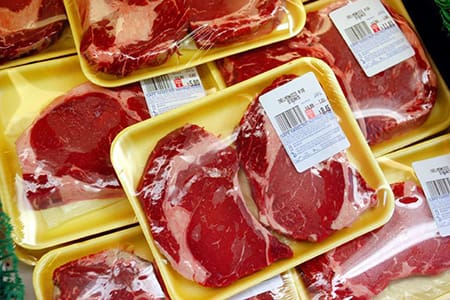
The global shift toward reducing meat consumption is more than a dietary trend—it’s an economic opportunity with transformative potential. As concerns over climate change, public health, and ethical food production grow, cutting back on meat offers a pathway to significant cost savings, resource efficiency, and job creation in emerging industries like plant-based proteins and sustainable agriculture. Beyond mitigating environmental damage and reducing healthcare expenses tied to diet-related diseases, this transition unlocks innovation across the food sector while easing pressure on natural resources. By embracing this shift, societies can build a healthier economy and planet. The question isn’t just about feasibility—it’s about necessity for long-term prosperity

Understanding the Nutritional Requirements of Humans and How They Can Be Met Without Eating Meat

As plant-based diets continue to rise in popularity, many are rethinking the role of meat in their meals and seeking healthier, more sustainable alternatives. Whether motivated by health benefits, environmental concerns, or ethical values, this shift has sparked a growing interest in understanding how to meet nutritional needs without consuming animal products. From protein and iron to calcium, vitamin B12, and omega-3 fatty acids, this article explores how these essential nutrients can be sourced from plants while highlighting the potential benefits and challenges of a meat-free diet. Perfect for those transitioning to vegetarianism or veganism—or simply cutting back on meat—this guide provides actionable insights into crafting a balanced diet that supports both personal well-being and planetary health. Dive into the possibilities of plant-based nutrition and discover how it can transform your approach to eating

Understanding the Health Risks of Eating Too Much Meat and How Plant-Based Diets Support Human Well-Being

In a world where meat dominates plates and palates, its role as a dietary cornerstone is rarely questioned. However, with growing awareness of health and environmental concerns, the spotlight is shifting to the risks of excessive meat consumption. From its links to chronic diseases like heart disease and cancer to its impact on digestive health and cholesterol levels, overindulging in meat poses significant challenges to well-being. Beyond personal health, the environmental toll of industrial meat production—deforestation, water scarcity, and greenhouse gas emissions—underscores the urgent need for change. This article explores why reducing meat intake not only supports human health but also fosters sustainability. Discover how plant-based diets offer all essential nutrients while promoting longevity and ecological harmony—a compelling case for thriving without relying on excessive meat consumption

Exploring the Culinary Diversity of Plant-Based Foods and Their Potential to Satisfy Human Palates

As the demand for sustainable, health-conscious eating grows, plant-based cuisine is taking center stage, captivating food enthusiasts with its remarkable diversity and innovation. No longer confined to stereotypes of blandness, plant-based foods now boast bold flavors, enticing textures, and global inspiration that rival—and often surpass—traditional meat-centric dishes. Thanks to cutting-edge food technology and creative culinary techniques, this movement has unlocked a treasure trove of options ranging from savory meat alternatives to vibrant produce-packed meals. Whether you’re drawn by ethical considerations or simply seeking exciting new tastes, this exploration into the world of plant-based foods promises to redefine your palate with dishes that are as satisfying as they are nourishing. Dive in and savor the endless possibilities of this thriving culinary revolution!

Why a Plant-Based Diet is Key for Ethical Living, Sustainability, and a Healthier Planet

Plant-based diets are reshaping the way we think about food, blending health-conscious choices with ethical and environmental responsibility. With growing awareness of the impact of animal agriculture on climate change, resource depletion, and animal welfare, shifting to plant-based eating emerges as a powerful step towards sustainability. This article delves into how plant-based diets can reduce carbon footprints, conserve water, protect ecosystems, and promote global equity—all while supporting personal well-being. We’ll address common myths surrounding this lifestyle and share practical advice for incorporating more plant-based meals into your routine. By choosing plants over animal products, you’re not just making healthier choices but actively contributing to a more compassionate and sustainable future for all living beings

How Animal Welfare Concerns Influence Food Choices and Drive the Rise of Sustainable Plant-Based Diets

Growing awareness of animal welfare issues is transforming food choices worldwide, driving a notable shift towards plant-based diets. As concerns about the ethical treatment of animals in factory farming grow, more consumers are opting for alternatives that align with their values while addressing environmental and health priorities. This article delves into how these concerns shape dietary habits, evaluates the sustainability and feasibility of plant-based eating, and highlights its role in fostering a kinder, more sustainable food system. By examining this connection between ethics, nutrition, and environmental impact, we explore meaningful steps toward a healthier future for people and animals alike

Why Go Plant-Based?

Explore the powerful reasons behind going plant-based, and find out how your food choices truly matter.

How to Go Plant-Based?

Discover simple steps, smart tips, and helpful resources to begin your plant-based journey with confidence and ease.

Sustainable Living

Choose plants, protect the planet, and embrace a kinder, healthier, and sustainable future.

Read FAQs

Find clear answers to common questions.