Home/Humane Foundation Team

Author: Humane Foundation Team

Humane Foundation Team

Humane Foundation Team

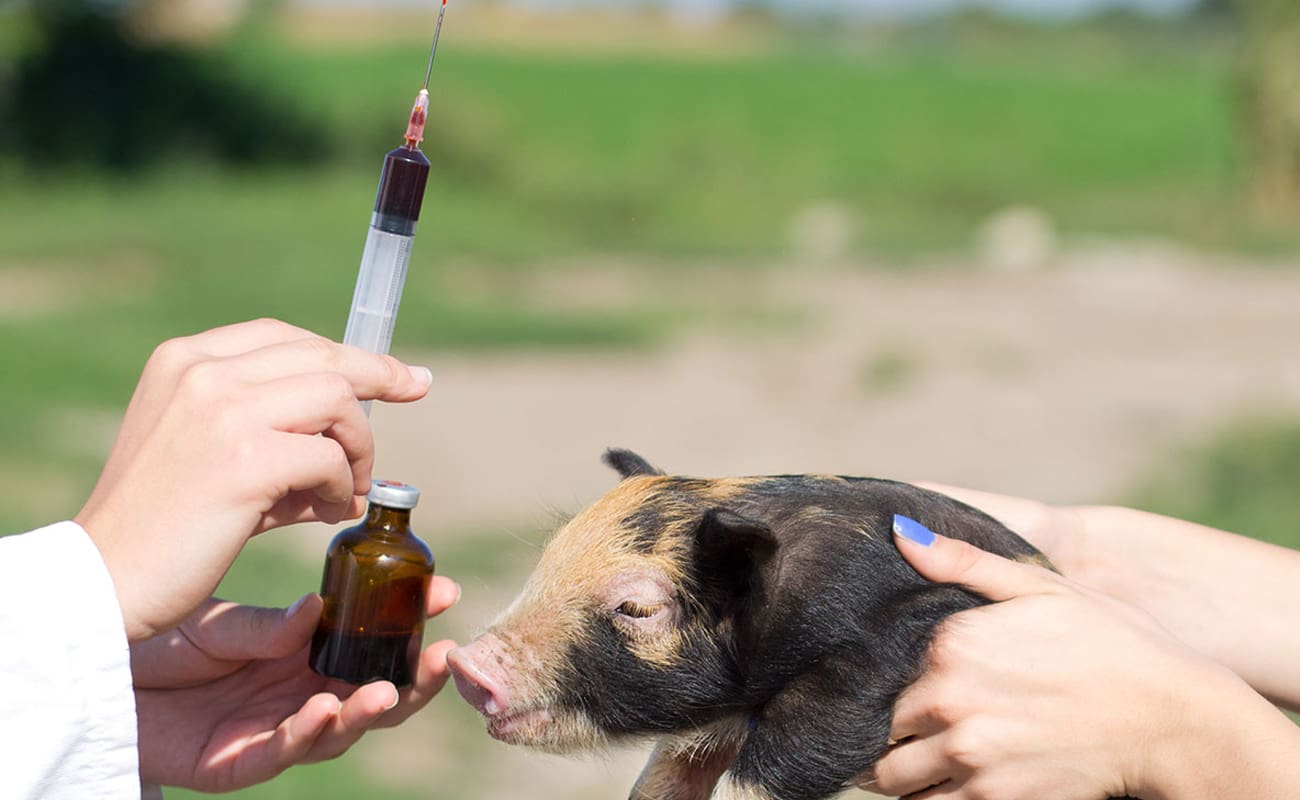
Antibiotic Resistance and Environmental Pollution: The Impact of Animal Agriculture Waste on Public Health and Ecosystems

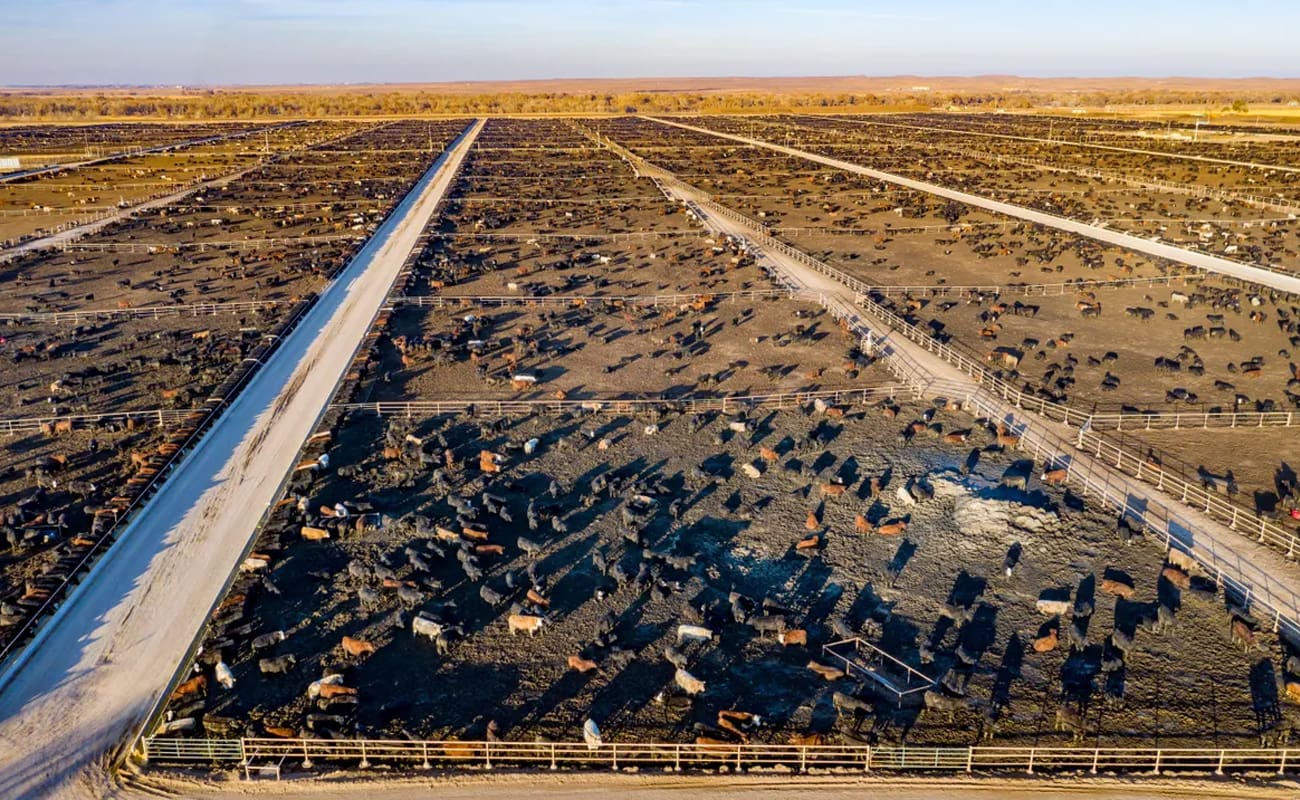
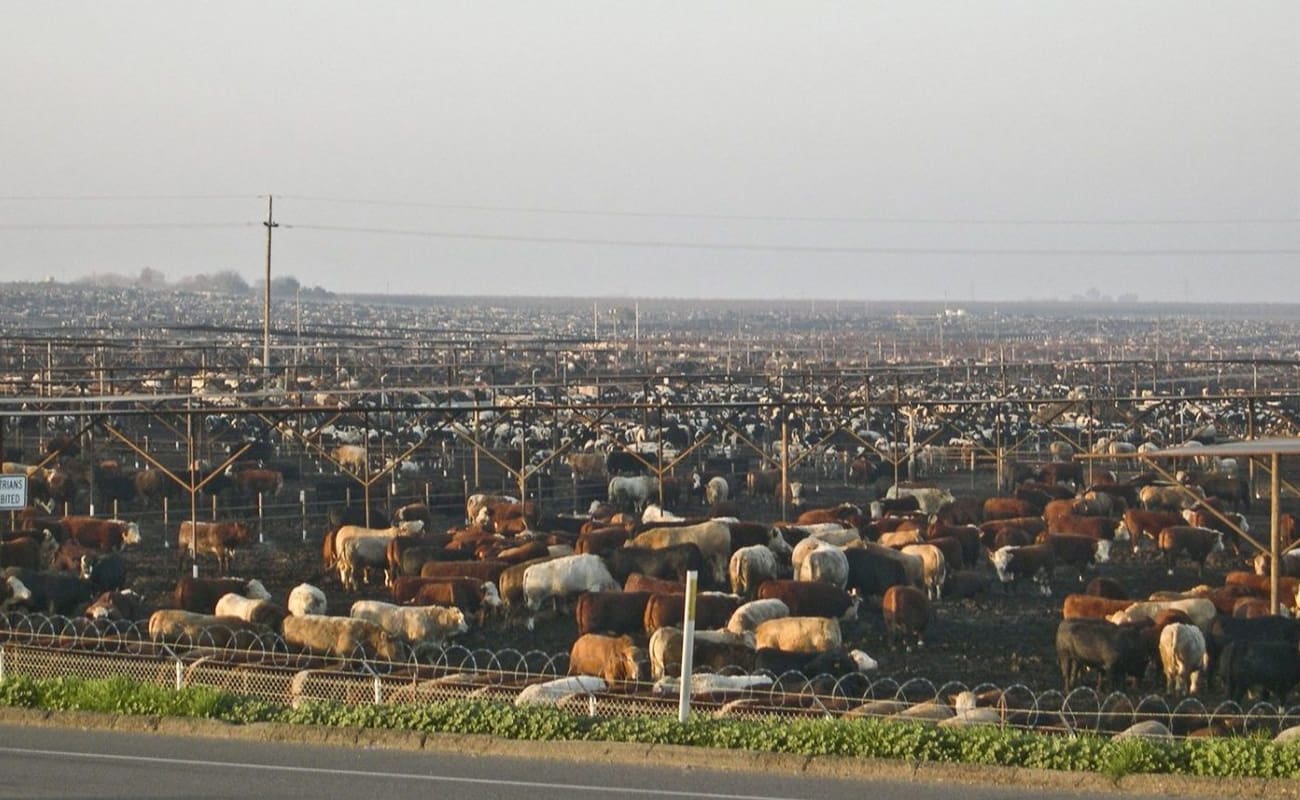
Antibiotic resistance and pollution from animal agriculture waste are urgent global challenges with far-reaching consequences for public health, ecosystems, and food security. The routine use of antibiotics in livestock farming to boost growth and prevent disease has contributed to the alarming rise of antibiotic-resistant bacteria, undermining the effectiveness of essential treatments. At the same time, poorly managed waste from concentrated animal feeding operations (CAFOs) introduces harmful pollutants—including antibiotic residues, hormones, and excess nutrients—into soil and water systems. This contamination threatens aquatic life, compromises water quality, and accelerates the spread of resistant bacteria through environmental pathways. Tackling these issues demands sustainable farming practices that prioritise ethical approaches to antibiotic use alongside robust waste management strategies to protect human health and preserve ecological balance
Exploring the Link Between Animal Cruelty and Child Abuse: Key Insights, Warning Signs, and Prevention Strategies

Animal cruelty and child abuse are interconnected forms of violence that reveal troubling patterns within society. Research increasingly shows how these acts often stem from similar underlying factors, creating a cycle of harm that impacts both human and animal victims. Recognising this connection is essential for developing effective strategies to prevent abuse, protect the vulnerable, and promote empathy across communities. This article examines the shared risk factors, psychological effects, and warning signs associated with these issues while highlighting ways professionals and advocates can collaborate to address them. By understanding the link between animal cruelty and child abuse, we can work towards meaningful change that safeguards lives and fosters compassion

Environmental Impact of Factory Farm Animal Feed: Deforestation, Pollution, and Climate Change

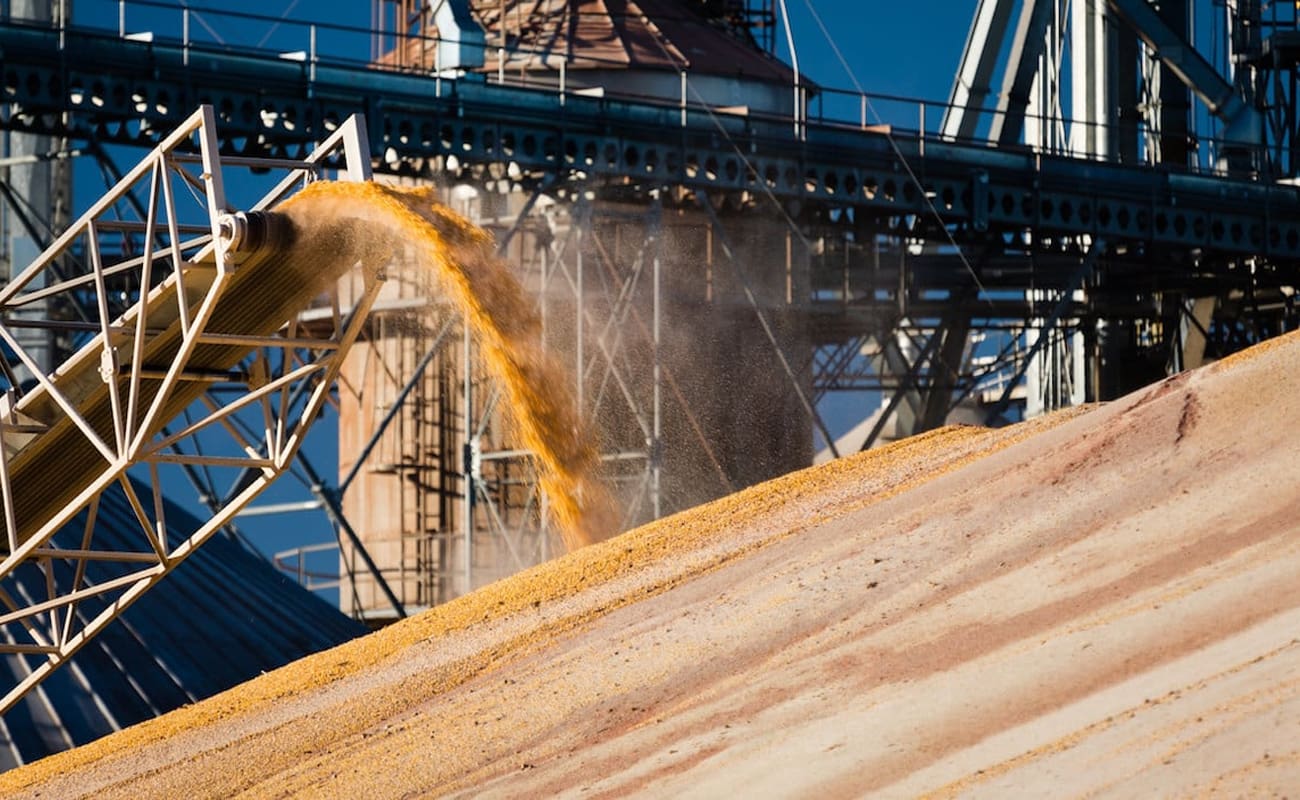
The rising global appetite for animal products has driven the widespread adoption of factory farming, a system deeply dependent on industrialised feed production. Beneath its veneer of efficiency lies a significant ecological toll—deforestation, biodiversity loss, greenhouse gas emissions, and water pollution are just some of the devastating impacts tied to cultivating monoculture crops like soy and corn for animal feed. These practices exhaust natural resources, erode soil health, disrupt ecosystems, and burden local communities while intensifying climate change. This article examines the environmental costs of feed production for factory farm animals and highlights the pressing need to embrace sustainable solutions that protect our planet and promote ethical agricultural practices

How Animal Agriculture Fuels Ocean Dead Zones: Causes, Impacts, and Solutions

Our oceans, rich in life and biodiversity, are facing a growing threat: the rapid expansion of ocean dead zones. These areas, where oxygen levels plummet and marine life cannot thrive, are increasingly tied to the environmental impact of animal agriculture. From fertiliser runoff triggering destructive algal blooms to pollution from livestock waste and feed production, industrial farming practices are significantly harming marine ecosystems. This article examines how unsustainable agricultural methods contribute to ocean dead zones and highlights actionable solutions—such as adopting plant-based diets and promoting sustainable farming—that can help safeguard our oceans for generations to come

Animal Agriculture’s Impact on Air Pollution, Methane Emissions, and Climate Change Solutions

Animal agriculture is a major yet often overlooked contributor to air pollution and greenhouse gas emissions, surpassing even the transportation sector in its environmental impact. From methane emissions linked to livestock digestion to deforestation for grazing and feed cultivation, this industry plays a pivotal role in accelerating climate change and ecological decline. As global efforts intensify to combat these challenges, understanding the environmental toll of meat and dairy production becomes increasingly vital. This article examines the far-reaching consequences of animal agriculture, highlights sustainable solutions such as regenerative farming practices and plant-based diets, and underscores how informed consumer choices alongside robust government policies can drive meaningful change towards a more sustainable future

How Factory Farming Drives Deforestation, Habitat Loss, and Biodiversity Decline

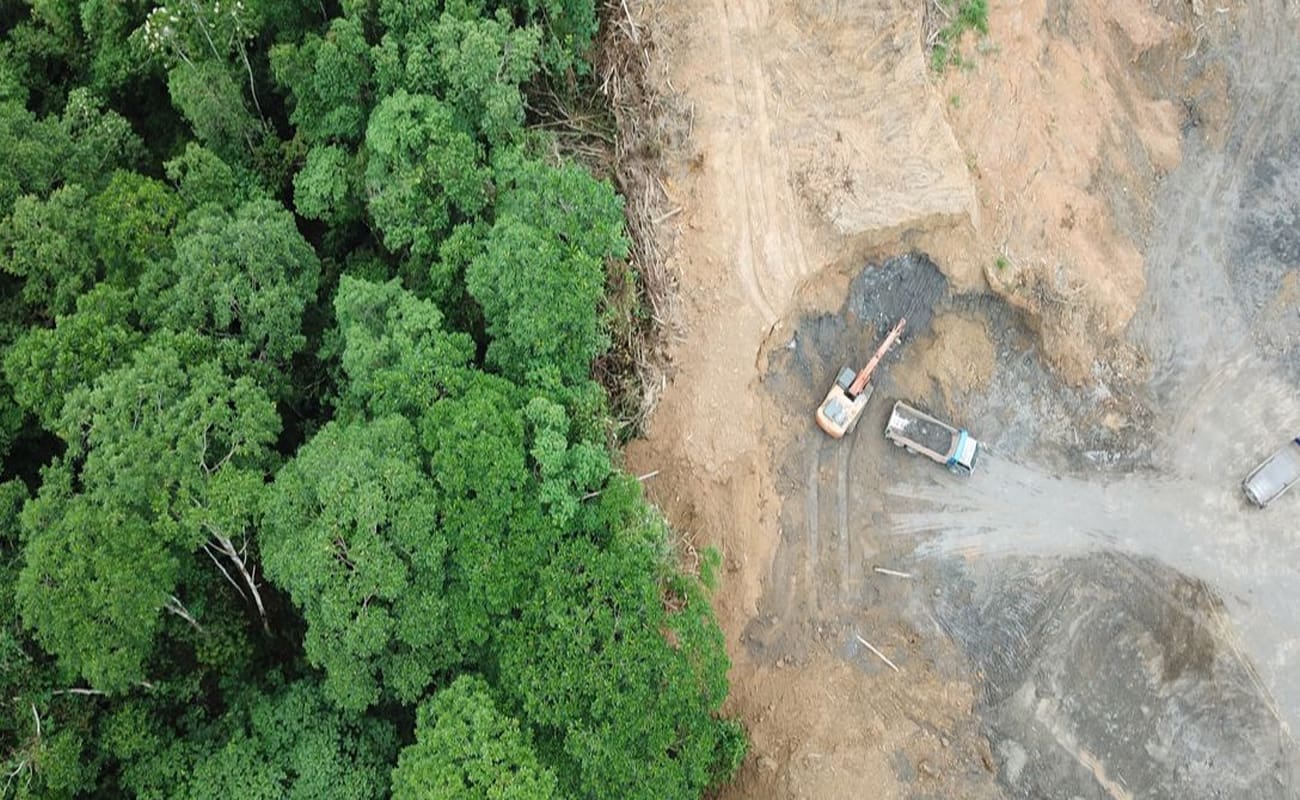
Factory farming has emerged as a dominant force in global food production, but its environmental toll is impossible to overlook. The relentless demand for meat, dairy, and eggs fuels large-scale deforestation and habitat destruction, with forests cleared to accommodate livestock grazing and grow feed crops like soy. These practices not only strip the planet of biodiversity but also intensify climate change by releasing vast amounts of carbon dioxide into the atmosphere. This article examines how factory farming drives ecological devastation and highlights actionable solutions that can pave the way for more sustainable food systems while safeguarding our planet’s vital ecosystems

How Factory Farming Damages Water and Soil: Pollution, Depletion, and Sustainable Solutions

Factory farming, or industrial agriculture, has emerged as a dominant force in food production, but its environmental toll on water and soil is profound. This intensive system relies on chemical inputs, antibiotics, and monoculture practices that disrupt ecosystems and degrade natural resources. From polluting waterways with nutrient-rich runoff to exhausting soil fertility through overuse and erosion, the ripple effects are both widespread and alarming. Coupled with excessive water consumption and habitat destruction that accelerates biodiversity loss, factory farming poses significant challenges to sustainability. Exploring these impacts highlights the urgent need for eco-conscious practices to safeguard our planet’s essential resources for generations to come

How Consumer Choices Drive Ethical Animal Treatment: A Guide to Compassionate Living and Cruelty-Free Products

Consumer choices are reshaping industries and advancing the ethical treatment of animals. As awareness of animal welfare issues grows, individuals are increasingly seeking out cruelty-free products, plant-based alternatives, and brands that prioritise humane practices. This shift in purchasing behaviour is driving businesses to adopt more transparent and sustainable methods while encouraging meaningful conversations about accountability in supply chains. By making informed decisions and supporting ethical brands, consumers hold the power to promote a more compassionate future where animals are treated with respect and care

Ethical Concerns of Using Animals in Entertainment: Welfare, Alternatives, and Public Responsibility

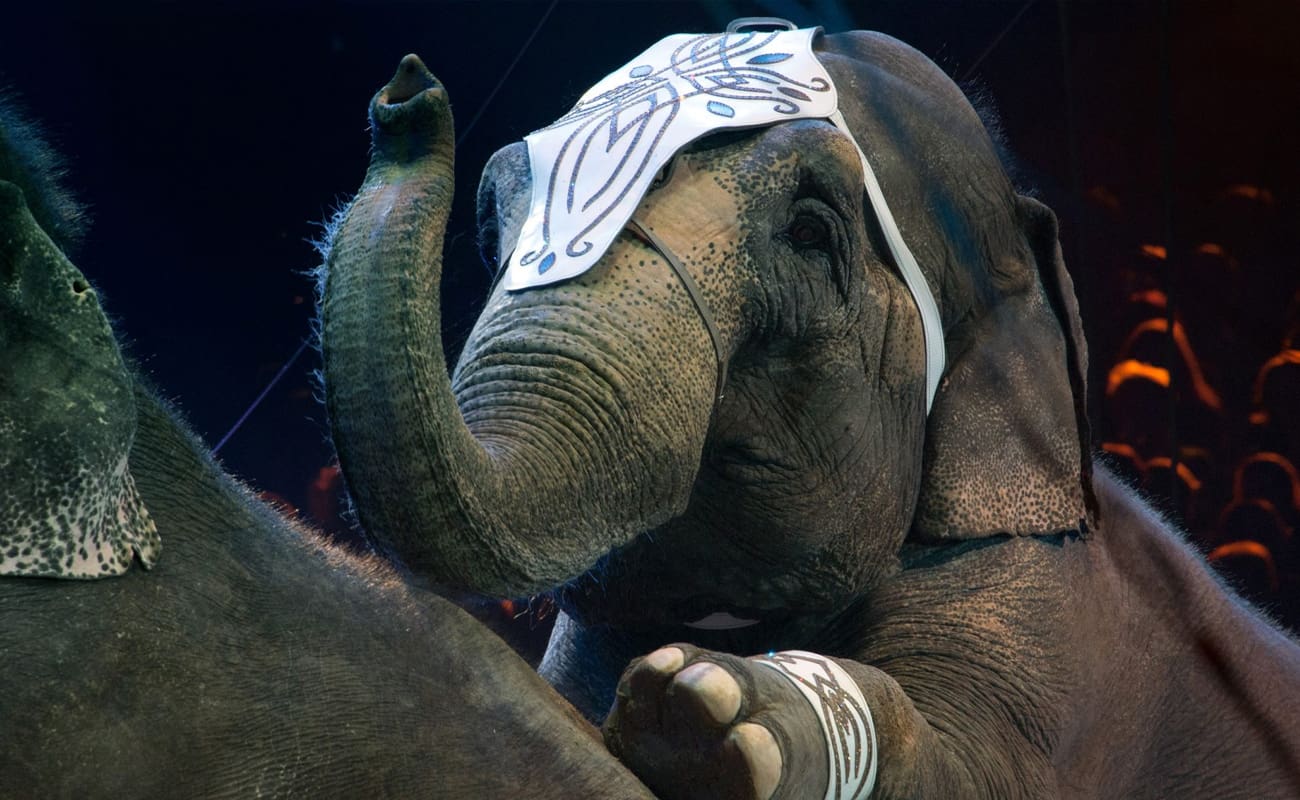
The ethics of using animals for entertainment continue to provoke critical discussions about compassion, responsibility, and societal norms. From circuses and theme parks to aquariums and televised performances, the exploitation of animals for human amusement raises serious concerns about their welfare and rights. With growing awareness of the physical and psychological harm these practices inflict on sentient beings, many are questioning their moral acceptability. This article explores the multifaceted ethical dilemmas tied to animal-based entertainment—addressing issues like consent, health impacts, cultural differences, regulation gaps—and highlights innovative alternatives such as technology-driven experiences. By fostering empathy and encouraging informed choices, we can work towards a more humane approach that respects the intrinsic value of all living creatures

Ethics of Animal Testing in Scientific Research: Balancing Progress, Welfare, and Alternatives

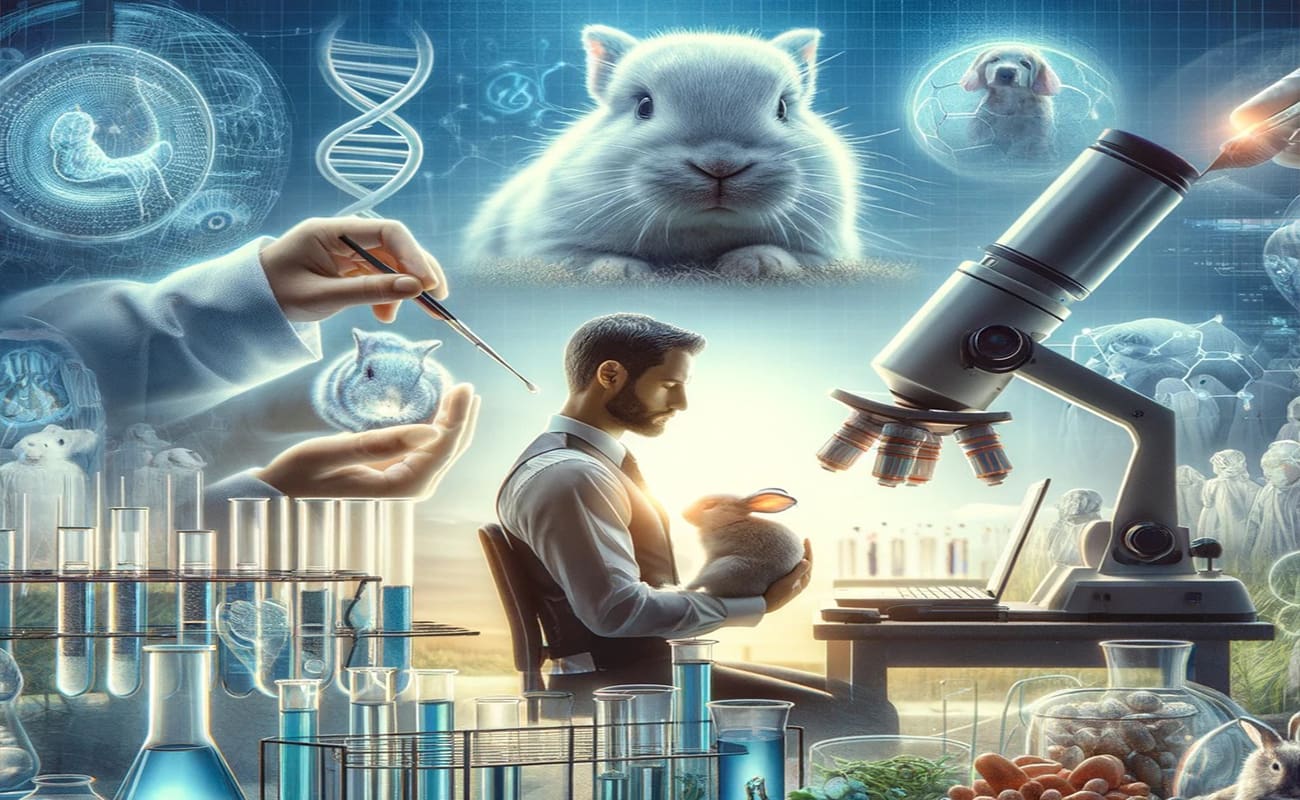
The use of animals in scientific research sparks intense ethical debates, balancing the pursuit of medical breakthroughs with concerns for animal welfare. While such studies have led to life-saving treatments and deeper insights into human biology, they also raise questions about morality, transparency, and the need for humane alternatives. As society demands greater accountability and innovation in research practices, this article examines the arguments for and against animal testing, explores existing regulations, highlights emerging alternatives, and considers how researchers can uphold ethical standards while advancing science responsibly

Why Go Plant-Based?

Explore the powerful reasons behind going plant-based, and find out how your food choices truly matter.

How to Go Plant-Based?

Discover simple steps, smart tips, and helpful resources to begin your plant-based journey with confidence and ease.

Sustainable Living

Choose plants, protect the planet, and embrace a kinder, healthier, and sustainable future.

Read FAQs

Find clear answers to common questions.