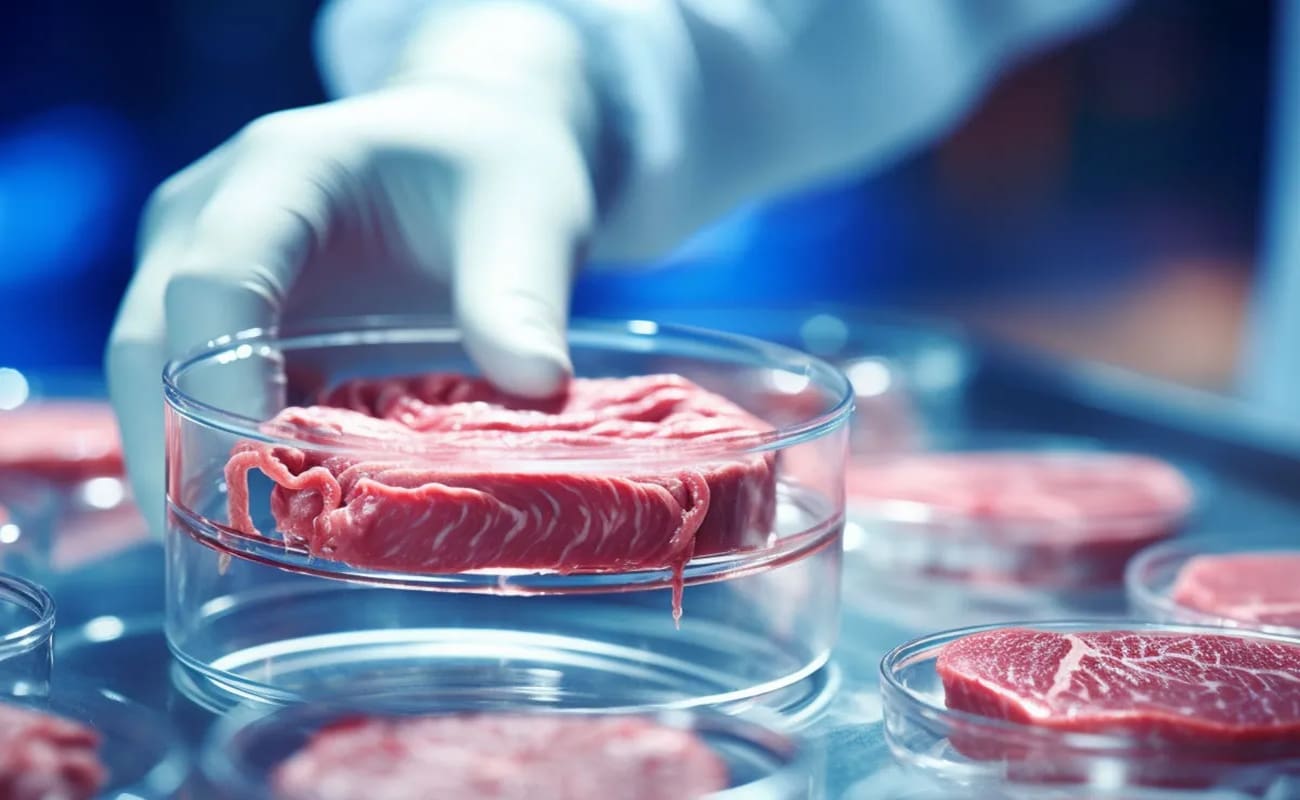

As the demand for sustainable food solutions grows, cellular agriculture—better known as lab-grown meat—is gaining attention as a transformative approach to meat production. This cutting-edge process involves cultivating animal cells in laboratory settings, offering a more environmentally friendly and ethical alternative to traditional farming. With promises of reduced greenhouse gas emissions, lower resource consumption, and enhanced animal welfare, lab-grown meat is poised to redefine how we produce protein. However, its impact on human health remains a key area of exploration. From customised nutritional benefits to safer production methods that minimise contamination risks, this article examines the potential health effects of cultured meat and its role in shaping a healthier and more sustainable future for food systems worldwide