Home/Humane Foundation

Author: Humane Foundation

Humane Foundation

Humane Foundation

The Ultimate Guide to Affordable Vegan Grocery Shopping

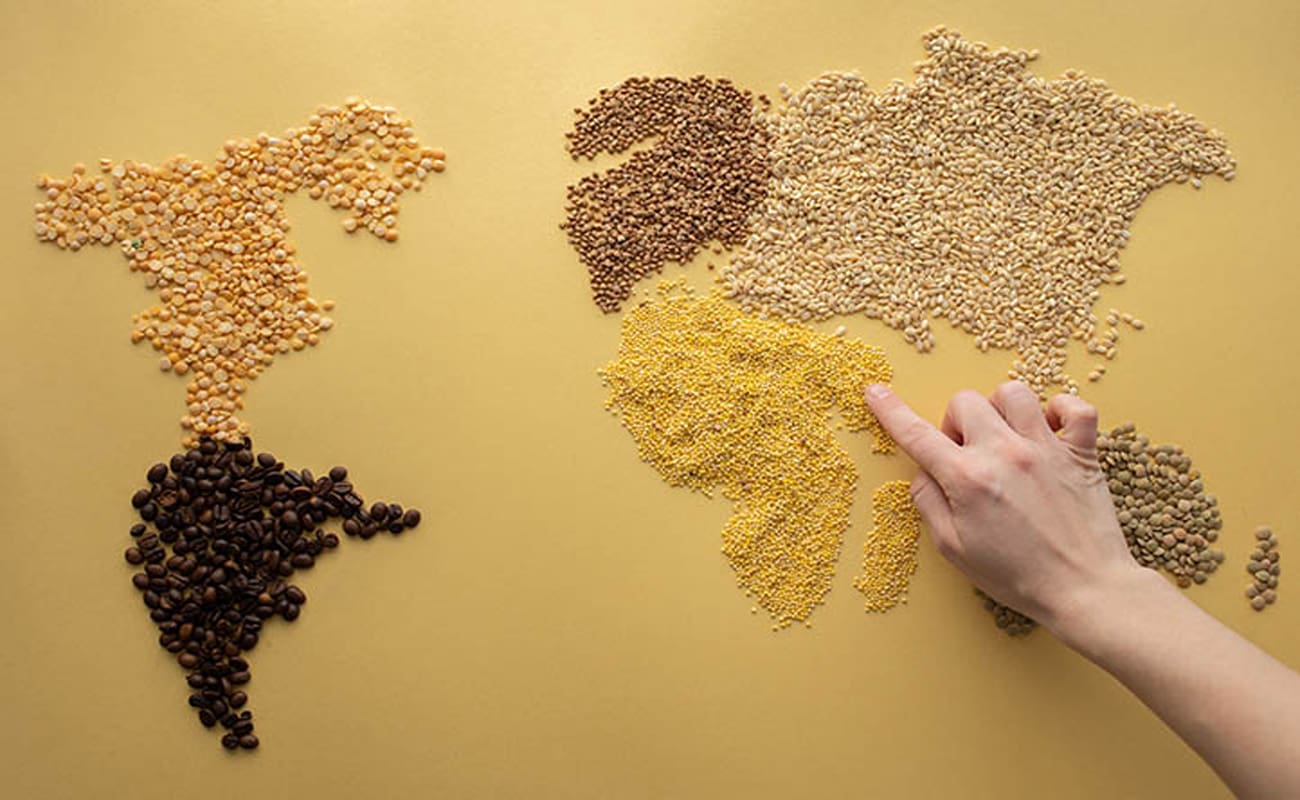
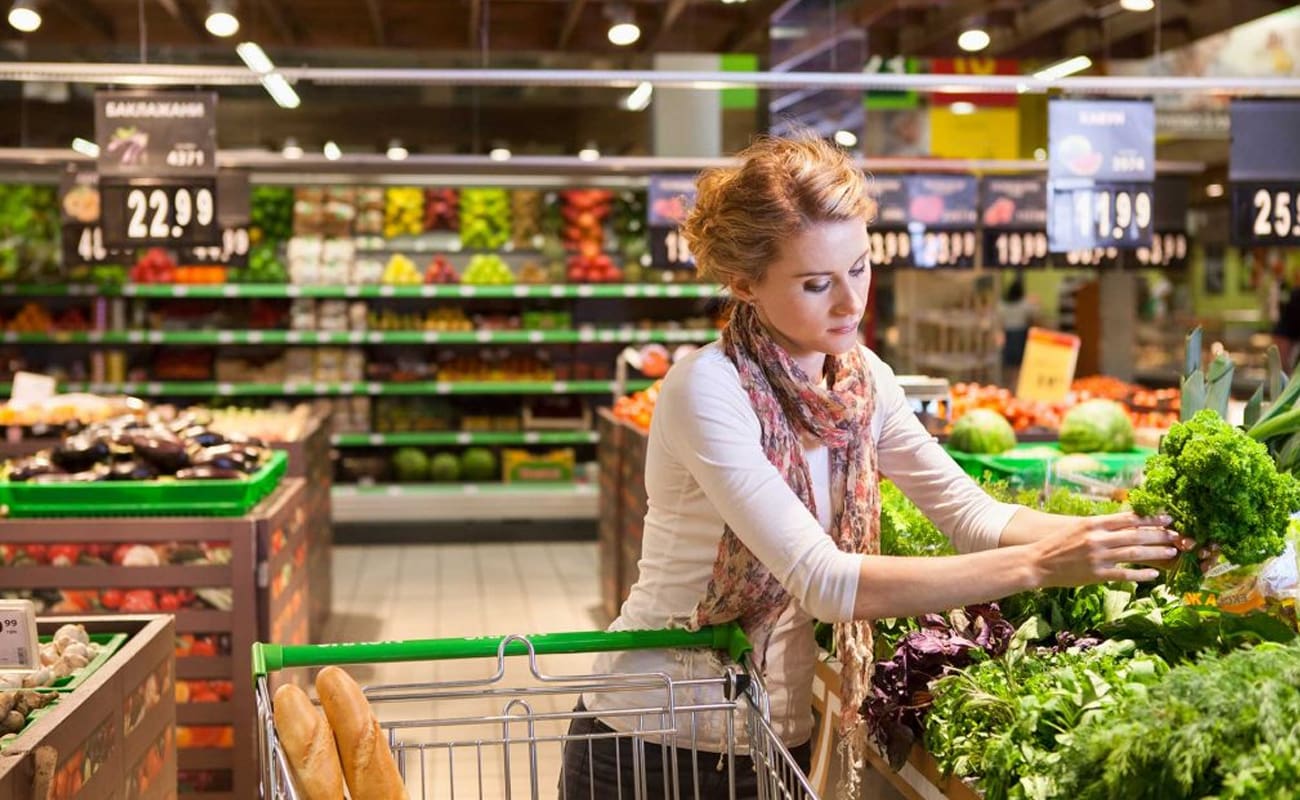
Veganism has gained significant popularity in recent years, and with it, the demand for affordable vegan products has also increased. However, many people still perceive vegan grocery shopping as expensive. In this guide, we’ll explore how to shop for vegan groceries without breaking the bank. Plan Your Meals Planning your meals ahead of time is one of the most effective ways to save money while shopping. By having a weekly meal plan, you can avoid impulse buys and unnecessary purchases. Focus on meals that use similar ingredients, which will help reduce food waste and save you money. Buy in Bulk Buying vegan staples such as grains, legumes, nuts, and seeds in bulk can save a significant amount of money. Stores that offer bulk sections allow you to purchase only the amount you need, reducing waste and the cost of packaging. Staples like rice, lentils, beans, and pasta are not only …

A Beginner’s Guide to Building a Complete Vegan Shopping List

Embarking on a vegan lifestyle can be an exciting and rewarding journey, not only for your health but also for the environment and animal welfare. Whether you are transitioning to a plant-based diet or just exploring veganism, having a well-rounded shopping list can make all the difference in making the transition smooth and enjoyable. This guide will walk you through essential components of a vegan shopping list, focusing on what you need to know, what you should avoid, and how to make your grocery trips as easy as possible. What Do Vegans Not Eat? Before diving into what you should buy, it’s helpful to understand what vegans avoid. Vegans exclude all animal-derived products from their diets, including: Additionally, vegans avoid animal-derived ingredients in cosmetics, clothing, and household items, focusing on cruelty-free alternatives. How To Build A Vegan Shopping List Building a vegan shopping list starts with understanding the fundamentals of …

How Veganism Strengthens Compassionate Connections with Animals

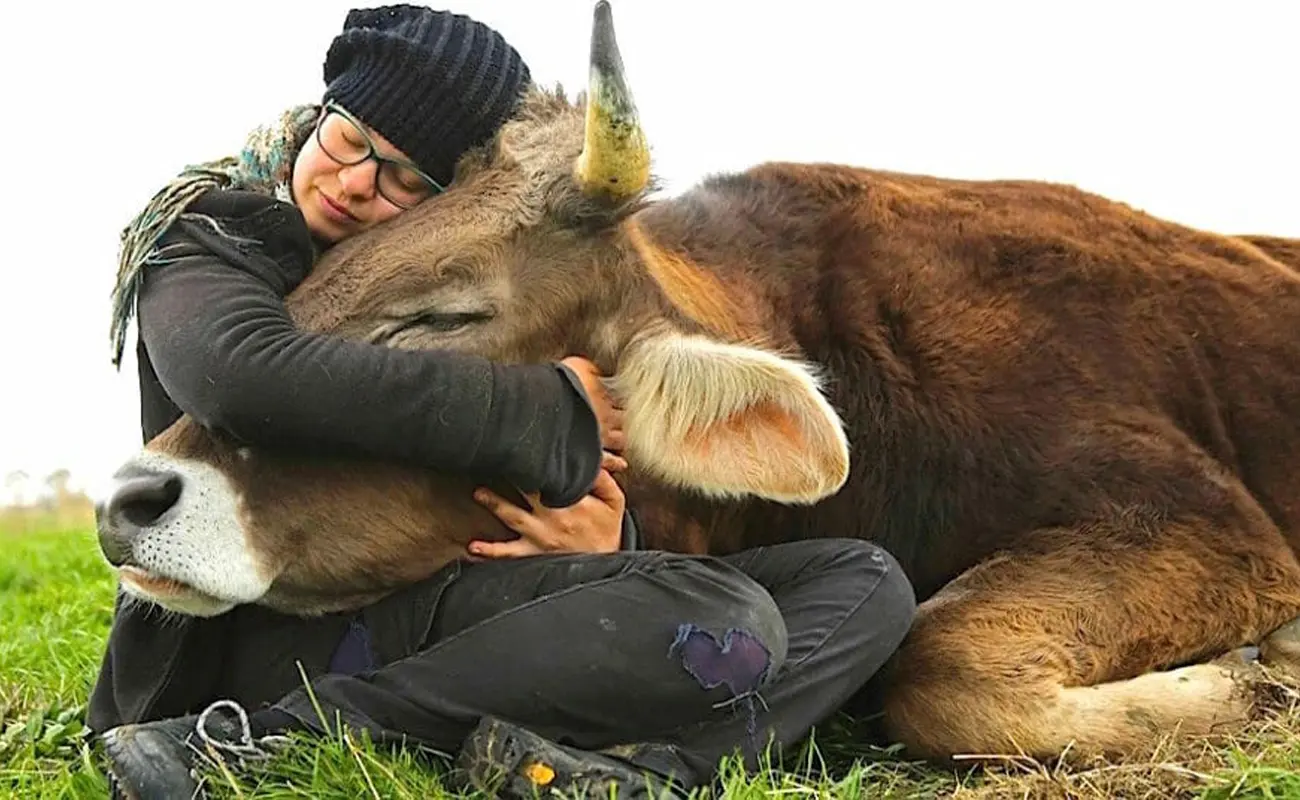
Veganism is more than just a dietary choice—it represents a profound ethical and moral commitment to reducing harm and fostering compassion for all sentient beings, especially animals. At its core, veganism challenges the long-standing human tendency to exploit animals for food, clothing, entertainment, and other purposes. Instead, it advocates for a lifestyle that acknowledges the inherent value of animals, not as commodities, but as living beings capable of experiencing pain, joy, and a wide range of emotions. By adopting veganism, individuals not only make personal ethical decisions but also actively work toward a compassionate connection with animals, reshaping the way society interacts with the animal kingdom. Seeing Animals as Individuals One of the most profound impacts of veganism is the shift it creates in how people perceive animals. In societies where animals are often commodified for their meat, leather, fur, or other byproducts, animals are typically seen through a utilitarian …

How Factory Farming Distorts Our Connection with Animals

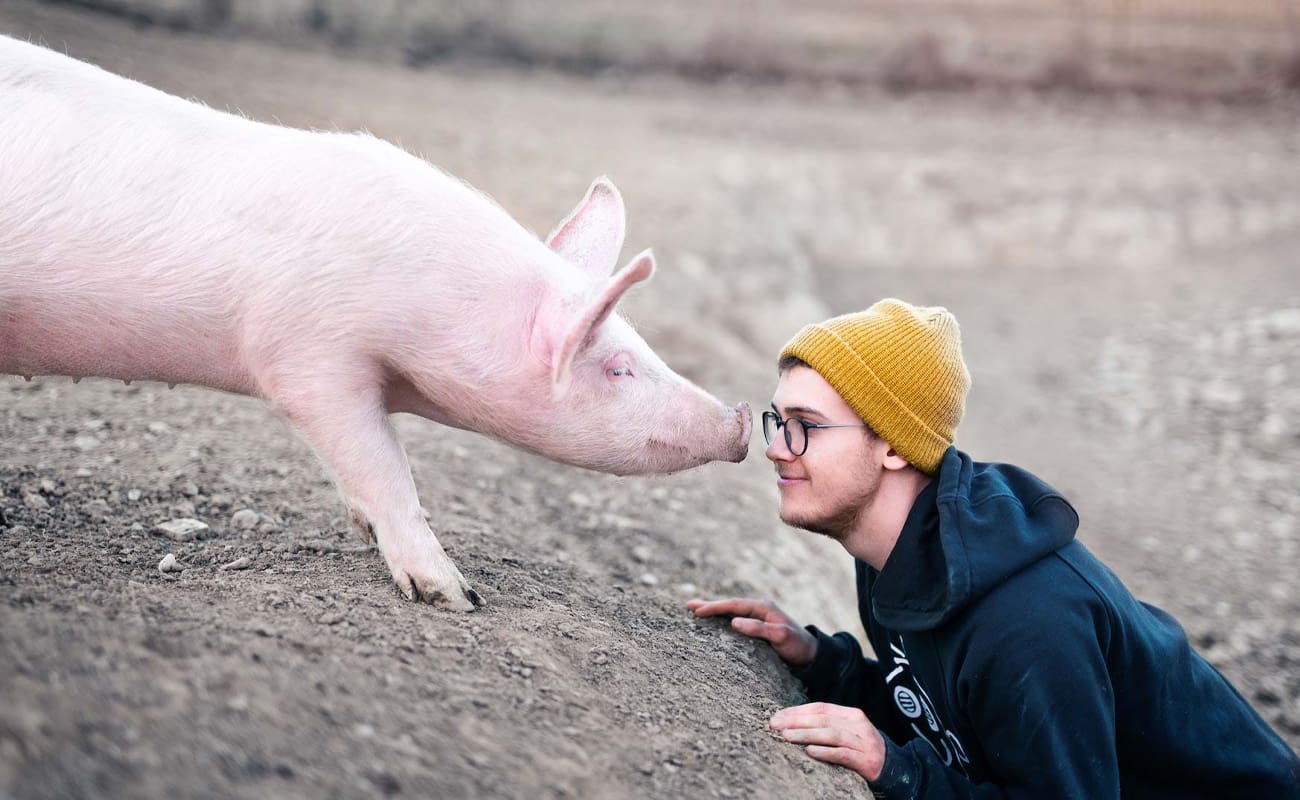
Factory farming has become a widespread practice, transforming the way humans interact with animals and shaping our relationship with them in profound ways. This method of mass-producing meat, dairy, and eggs prioritizes efficiency and profit over the well-being of animals. As factory farms grow larger and more industrialized, they create a stark disconnect between humans and the animals we consume. By reducing animals to mere products, factory farming distorts our understanding of animals as sentient beings deserving of respect and compassion. This article explores how factory farming negatively affects our connection with animals and the broader ethical implications of this practice. The Dehumanization of Animals At the core of factory farming lies the dehumanization of animals. In these industrial operations, animals are treated as mere commodities, with little regard for their individual needs or experiences. They are often confined to small, overcrowded spaces, where they are denied the freedom to …

The Interconnectedness of Animal Rights and Human Rights

The relationship between animal rights and human rights has long been a subject of philosophical, ethical, and legal debate. While these two areas are often treated separately, there is an emerging recognition of their profound interconnectedness. Human rights advocates and animal rights activists alike are increasingly acknowledging that the fight for justice and equality is not limited to humans but extends to all sentient beings. The shared principles of dignity, respect, and the right to live free from harm form the foundation of both movements, suggesting that the liberation of one is deeply intertwined with the liberation of the other. The Universal Declaration of Human Rights (UDHR) affirms the inherent rights of all individuals, irrespective of their race, color, religion, gender, language, political beliefs, national or social background, economic status, birth, or any other condition. This landmark document was adopted by the United Nations General Assembly in Paris on December …

Zoonoses and Factory Farming: The Unsustainable Human-Animal Relationship and Its Global Impact

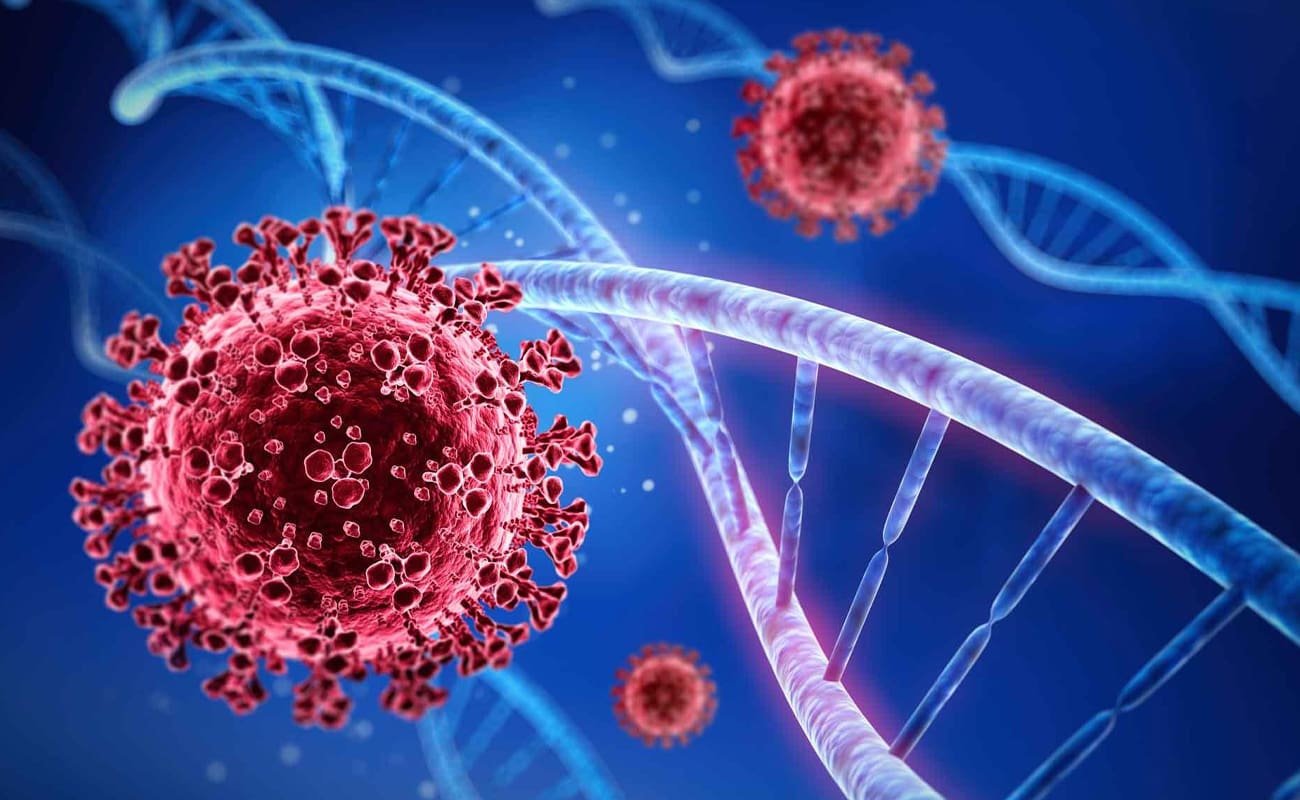
The modern practice of factory farming, also known as intensive animal farming, has created an unsustainable relationship between humans and animals that has far-reaching consequences, not only for animal welfare but also for public health, the environment, and social justice. One of the most significant health risks arising from factory farming is the emergence and spread of zoonotic diseases, commonly known as zoonoses. These diseases, which are transmitted between animals and humans, have become an increasing global threat due to the overcrowded, unsanitary, and stress-inducing conditions found on factory farms. What Are Zoonoses? Zoonoses are diseases that can be transmitted from animals to humans. They can be caused by bacteria, viruses, parasites, and fungi, and they range from mild illnesses to serious, life-threatening conditions. Some of the most notorious zoonotic diseases include avian influenza (bird flu), swine flu, tuberculosis, rabies, and SARS (Severe Acute Respiratory Syndrome). The COVID-19 pandemic, which …

Meat and Injustice: Understanding Meat as a Social Justice Concern

The consumption of meat is often seen as a personal choice, but its implications reach far beyond the dinner plate. From its production in factory farms to its impact on marginalized communities, the meat industry is intricately linked to a series of social justice issues that deserve serious attention. By exploring the various dimensions of meat production, we uncover the complex web of inequality, exploitation, and environmental degradation that is exacerbated by the global demand for animal products. In this article, we delve into why meat is not just a dietary choice but a significant social justice concern. This year alone, an estimated 760 million tonnes (over 800 million tons) of corn and soy will be used as animal feed. The majority of these crops, however, will not nourish humans in any meaningful way. Instead, they will go to livestock, where they will be converted into waste, rather than sustenance. …

How ‘lab-grown’ meat could help the planet and our health

In recent years, the concept of cellular agriculture, also known as lab-grown meat, has gained significant attention as a potential solution to the impending global food crisis. This innovative approach involves growing animal tissues in a laboratory setting, eliminating the need for traditional animal farming. While the environmental and ethical benefits of cellular agriculture are widely acknowledged, there has been limited research on the potential health impacts of consuming lab-grown meat. As this technology continues to advance and gain commercial viability, it is crucial to examine and understand the potential health implications for both humans and animals. In this article, we will delve into the current state of cellular agriculture and discuss the potential health impacts it may have on consumers and the larger food system. As the demand for sustainable and ethical food production grows, it is imperative to critically evaluate all aspects of cellular agriculture to ensure that …

Indigenous Communities on the Frontlines: Resisting the Impact of Climate Change and Factory Farming

Climate change is one of the most pressing challenges of our time, with far-reaching consequences for both the environment and human societies. However, not all communities experience its impacts equally. While everyone is affected by the warming planet, marginalized groups—particularly Indigenous peoples—are often hit the hardest. Facing the dual threats of climate change and exploitative industries like factory farming, Indigenous communities across the world are leading powerful movements to protect their land, culture, and future. These communities, which have long been at the forefront of environmental conservation and sustainability, are now fighting not just for survival but for the preservation of their ways of life. The Overarching Impact of Climate Change on Indigenous Communities Indigenous peoples are among the most vulnerable to the effects of climate change. Defined as the original inhabitants of a region, Indigenous communities have historically been linked to their land and have developed sophisticated systems for …

Can Regenerative Agriculture Mitigate the Environmental Impact of Meat?

As the global population continues to expand and the demand for food increases, the agricultural industry is facing mounting pressure to meet these needs while also mitigating its environmental impact. One area of concern is the production of meat, which has been linked to significant contributions to greenhouse gas emissions, deforestation, and water pollution. However, a promising solution gaining traction in the agricultural community is regenerative agriculture. This farming practice, based on the principles of sustainability and ecological balance, focuses on building healthy soil and restoring biodiversity. By prioritizing soil health, regenerative agriculture has the potential to not only improve the quality of food produced, but also mitigate the negative environmental impacts of meat production. In this article, we will explore the concept of regenerative agriculture and its potential to address the environmental challenges posed by meat production. We will delve into the science behind this farming technique, its benefits, …

Why Go Plant-Based?

Explore the powerful reasons behind going plant-based, and find out how your food choices truly matter.

How to Go Plant-Based?

Discover simple steps, smart tips, and helpful resources to begin your plant-based journey with confidence and ease.

Sustainable Living

Choose plants, protect the planet, and embrace a kinder, healthier, and sustainable future.

Read FAQs

Find clear answers to common questions.