Home/Humane Foundation Team

Author: Humane Foundation Team

Humane Foundation Team

Humane Foundation Team

How Hormones in Milk May Influence Hormonal Imbalance and Health Risks in Humans

Milk, a cornerstone of many diets and a source of vital nutrients, has come under scrutiny due to the presence of naturally occurring and synthetic hormones used in dairy production. These hormones—such as estrogen, progesterone, and insulin-like growth factor 1 (IGF-1)—have raised concerns about their potential effects on human hormonal balance. Research suggests that prolonged exposure to these compounds may contribute to issues like menstrual irregularities, reproductive challenges, and even hormone-related cancers. This article delves into the science behind these concerns, examining how milk-derived hormones interact with the human endocrine system while offering practical advice on choosing hormone-free or organic options for those seeking to reduce risks

How Meat and Dairy Consumption May Contribute to Autoimmune Diseases: Insights and Alternatives

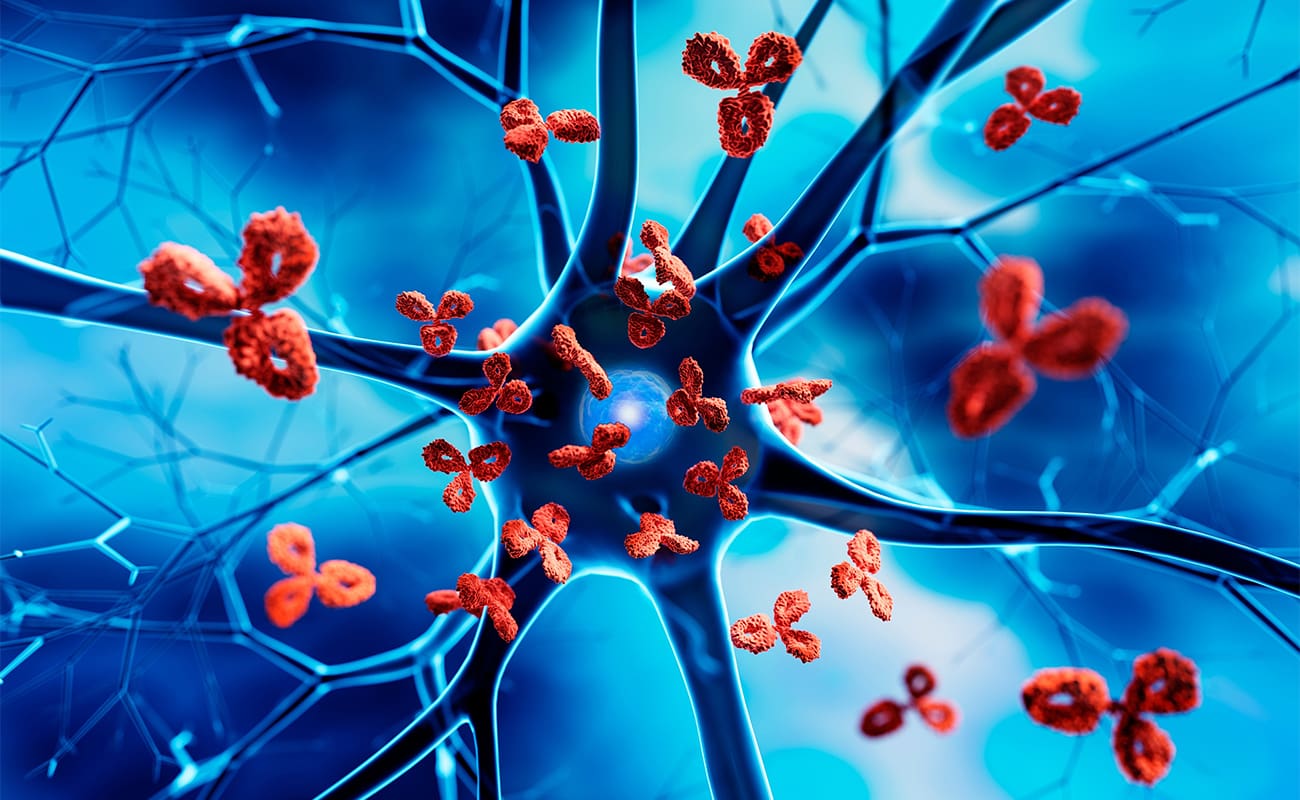
Autoimmune diseases are becoming increasingly prevalent, sparking interest in potential dietary triggers that may influence their development. Meat and dairy, staples of Western diets, are under scrutiny for their possible role in fuelling inflammation and disrupting immune balance. Research suggests that components like saturated fats, casein, and antibiotics found in these foods could contribute to gut health issues and heightened immune responses linked to conditions such as rheumatoid arthritis. This article examines the evidence behind these associations while highlighting plant-based alternatives that may support better health and reduce autoimmune risks through mindful dietary adjustments

How Reducing High-Sodium Processed Meats Can Help Lower Blood Pressure Naturally

High blood pressure is a serious health concern that impacts millions globally, increasing the risk of heart disease and stroke. One effective way to manage hypertension is by reducing high-sodium processed meats in your diet. Foods like deli meats, bacon, and sausages are packed with sodium and additives that can elevate blood pressure by causing fluid retention and straining the cardiovascular system. Making simple swaps—such as choosing fresh, lean proteins or preparing homemade meals with natural seasonings—can significantly lower sodium intake while supporting better heart health. Discover how these small changes can lead to big improvements in overall well-being

How Factory Farming Impacts Human Health: Risks, Antibiotic Resistance, and Sustainable Solutions

Factory farming has become the backbone of modern food production, delivering affordable meat, dairy, and eggs to meet global demand. Yet, its hidden costs on human health are profound and alarming. From antibiotic resistance driven by excessive drug use in livestock to harmful additives and nutrient-deficient products reaching our plates, the consequences extend far beyond individual consumption. Coupled with environmental pollution and the heightened risk of foodborne illnesses, factory farming presents a pressing public health challenge. This article critically analyses these impacts while highlighting sustainable farming practices as viable solutions for healthier choices and a more ethical future for both people and the planet

Factory Farming and Cardiovascular Health: Uncovering Risks Linked to Meat Consumption and Antibiotics

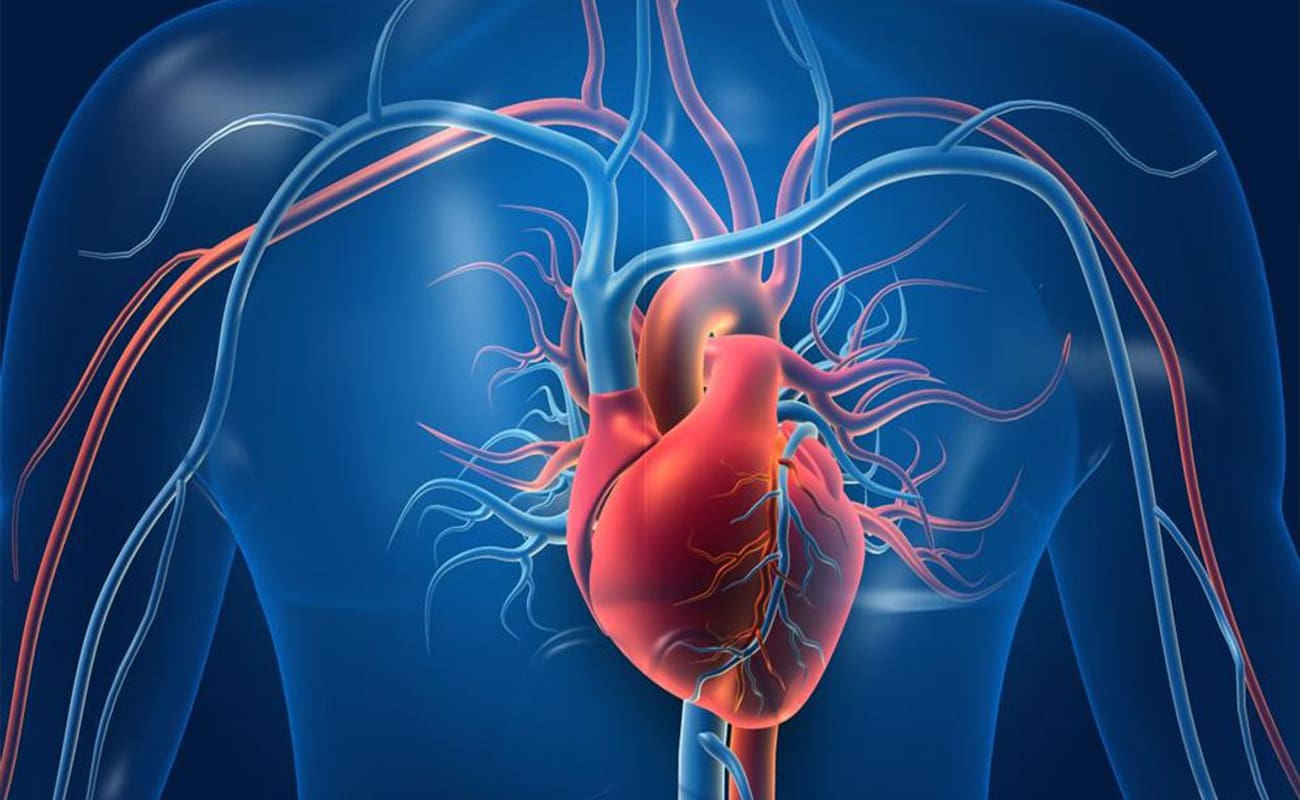
Factory farming has reshaped food production, delivering mass quantities of animal products to meet global demand. Yet, its methods have sparked serious concerns about human health, particularly the rising prevalence of cardiovascular diseases. Studies highlight how saturated fats, cholesterol, antibiotics, and chemical residues in factory-farmed meat and dairy contribute to conditions like heart disease and stroke. Beyond personal health risks, these practices raise ethical questions about animal welfare and environmental impact. This article examines the evidence linking factory farming to cardiovascular issues while exploring sustainable dietary alternatives that prioritise both heart health and ecological balance

Rescuing Abused Animals: How Charities and Shelters are Transforming Lives Through Rehabilitation and Advocacy

Animal abuse remains a devastating issue worldwide, but organisations are working tirelessly to rescue and rehabilitate animals from cruelty, neglect, and exploitation. From providing emergency medical care to advocating for stricter welfare laws, these groups play a vital role in giving vulnerable creatures a second chance at life. By offering shelter, therapy, and rehoming opportunities while raising public awareness about responsible pet ownership, they’re transforming lives and fostering compassion. This article delves into their impactful initiatives—showcasing the dedication behind creating safer environments where all animals can heal and thrive

Plant-Based Nutrition for Athletes: Boost Performance, Endurance, and Recovery with Vegan Diets

Veganism is reshaping the way athletes approach nutrition, showcasing how plant-based diets can effectively fuel performance and recovery. Packed with energy-boosting carbohydrates, high-quality proteins, and inflammation-fighting antioxidants, nutrient-rich foods like legumes, quinoa, leafy greens, and nuts are proving to be powerful allies for endurance and strength. By embracing this lifestyle, athletes are not only meeting their physical demands but also supporting ethical choices and sustainable living. Whether you’re chasing personal fitness goals or competing at a professional level, plant-based nutrition offers a balanced foundation for achieving peak results while prioritising health and well-being

Enhancing Brain Health and Cognitive Function with a Nutrient-Rich Vegan Diet

A vegan diet offers more than just ethical and environmental benefits—it can play a transformative role in supporting brain health and cognitive function. Packed with nutrient-dense foods like fruits, vegetables, whole grains, legumes, nuts, and seeds, this plant-based approach provides essential antioxidants, vitamins, and healthy fats that protect against oxidative stress and inflammation. By avoiding saturated fats and cholesterol found in animal products, a vegan lifestyle promotes better blood flow to the brain while reducing the risk of cognitive decline and neurodegenerative conditions such as Alzheimer’s. Discover how embracing plant-based nutrition can naturally enhance memory, focus, mental clarity, and overall cognitive performance for a healthier mind at every stage of life

How a Vegan Diet Can Help Manage Food Allergies and Sensitivities Naturally

Food allergies and sensitivities are becoming increasingly prevalent, prompting many to seek dietary solutions for relief. A vegan diet, celebrated for its plant-based focus and nutrient-rich profile, is emerging as a promising approach to managing these conditions. By naturally avoiding common allergens like dairy and eggs while supporting gut health and reducing inflammation through fibre-packed foods, veganism offers potential benefits backed by scientific research. This article uncovers the connection between a plant-based lifestyle and allergy management, dispels myths surrounding vegan diets, and shares actionable advice for those considering this path. Explore how embracing wholesome, allergen-free eating could help you take control of your symptoms while enhancing overall well-being

How a Vegan Lifestyle Can Boost Your Savings and Improve Financial Health

Choosing a vegan lifestyle isn’t just a compassionate and sustainable choice—it’s also a smart financial decision. By focusing on affordable plant-based staples like grains, legumes, fruits, and vegetables, you can significantly reduce your grocery bills without compromising on nutrition or flavour. Vegan alternatives to meat and dairy are often more budget-friendly too, offering delicious options that align with both ethical values and cost-saving goals. Additionally, the long-term health benefits of a plant-based diet—such as lower risks of chronic diseases—can lead to reduced healthcare expenses over time. Whether you’re aiming to save money or invest in your well-being, adopting a vegan lifestyle is an effective way to achieve financial wellness while supporting a healthier planet

Why Go Plant-Based?

Explore the powerful reasons behind going plant-based, and find out how your food choices truly matter.

How to Go Plant-Based?

Discover simple steps, smart tips, and helpful resources to begin your plant-based journey with confidence and ease.

Sustainable Living

Choose plants, protect the planet, and embrace a kinder, healthier, and sustainable future.

Read FAQs

Find clear answers to common questions.