Home/Humane Foundation

Author: Humane Foundation

Humane Foundation

Humane Foundation

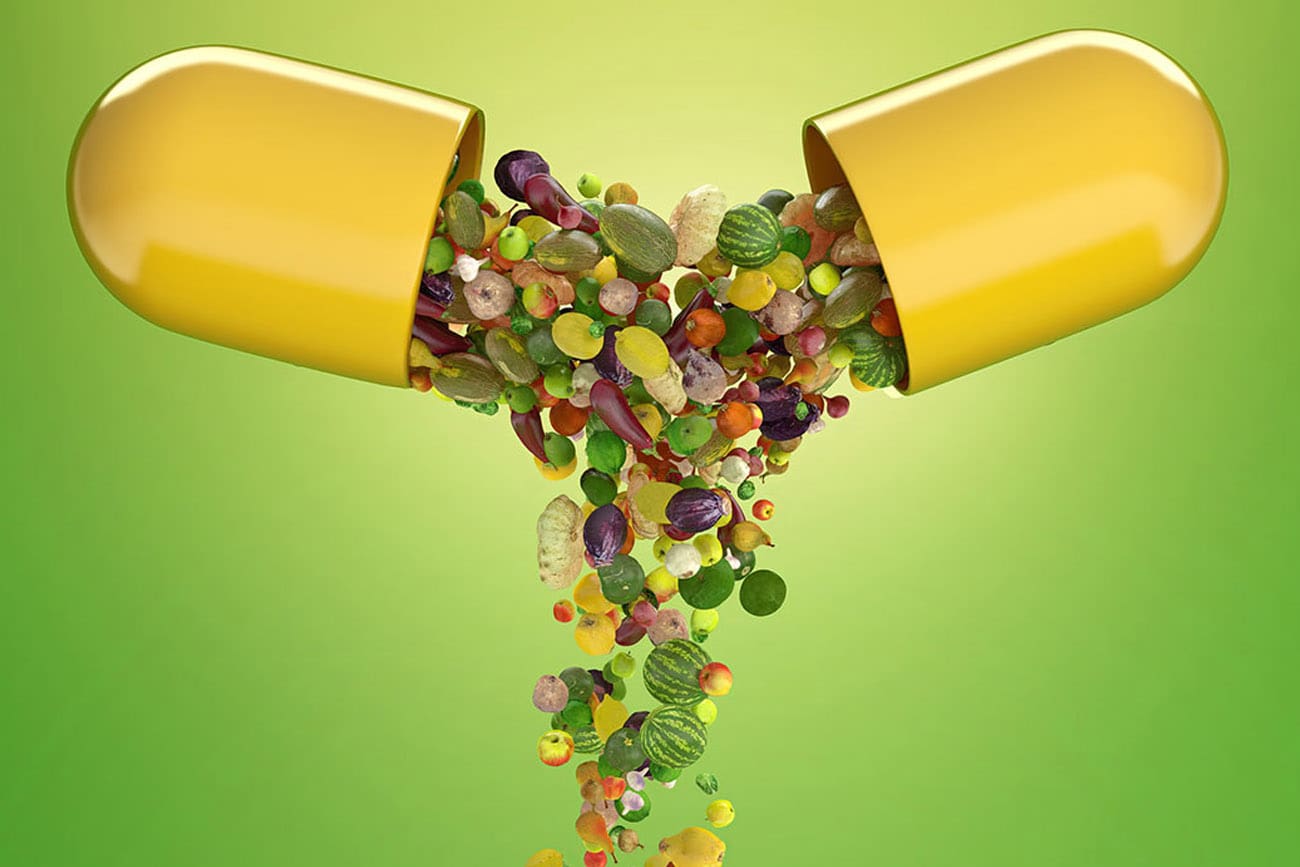
Do We Really Need Milk for Bone Health? Exploring Alternatives

For generations, milk has been promoted as a vital component of a healthy diet, particularly for strong bones. Advertisements often depict dairy products as the gold standard for bone health, emphasizing their high calcium content and essential role in preventing osteoporosis. But is milk truly indispensable for maintaining strong bones, or are there other ways to achieve and sustain bone health? The Role of Calcium and Vitamin D in Bone Health Maintaining strong and healthy bones is essential for overall well-being and quality of life. Two key nutrients that play a pivotal role in bone health are calcium and Vitamin D. Understanding their functions and how they work together can help you make informed dietary choices to support your bone strength. Calcium: The Building Block of Bones Calcium is a crucial mineral that forms the structural component of bones and teeth. About 99% of the body's calcium is stored in …

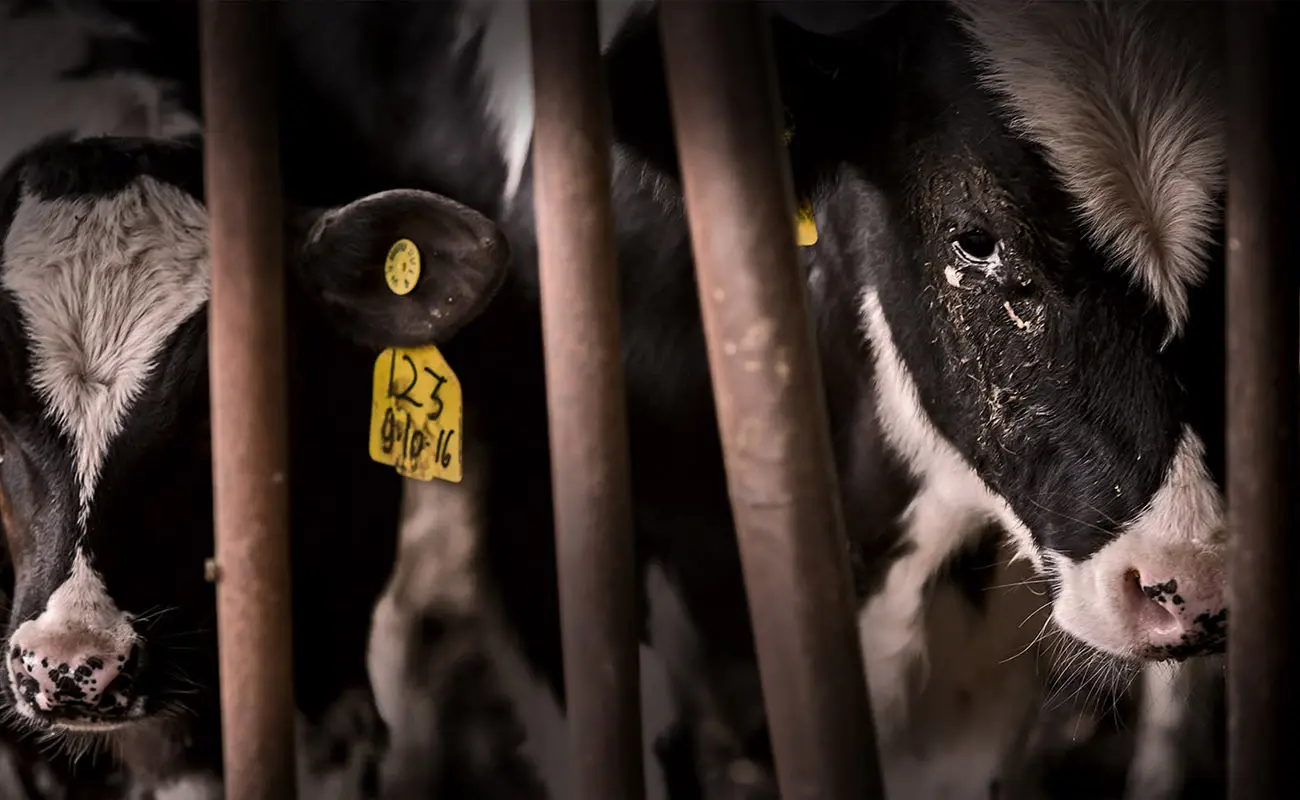
Exposing the Hidden Cruelty of Factory Farming: Must-Watch Films on Animal Suffering in Agriculture

Factory farming remains one of the most concealed and controversial industries, operating far from public scrutiny while subjecting animals to unimaginable suffering. Through compelling films and undercover investigations, this article explores the dark realities faced by cows, pigs, chickens, and goats in industrial agriculture. From the relentless exploitation in dairy farms to the distressing lives of broiler chickens raised for slaughter in under six weeks, these revelations uncover a world driven by profit at the expense of animal welfare. By exposing these hidden practices, we are urged to reflect on our consumption habits and consider their ethical impact on sentient beings trapped within this system

Do Vegans Need Supplements? Key Nutrients and Considerations

No, all the nutrients you need for a healthy vegan diet can be found easily and abundantly through plant-based foods, with perhaps one notable exception: vitamin B12. This essential vitamin plays a critical role in maintaining the health of your nervous system, producing DNA, and forming red blood cells. However, unlike most nutrients, vitamin B12 is not naturally present in plant foods. Vitamin B12 is produced by certain bacteria that reside in the soil and the digestive tracts of animals. As a result, it is found in significant amounts primarily in animal products such as meat, dairy, and eggs. While these animal products are a direct source of B12 for those who consume them, vegans must seek alternative ways to obtain this vital nutrient. For vegans, it is crucial to be mindful of B12 intake because a deficiency can lead to serious health issues such as anemia, neurological problems, and …

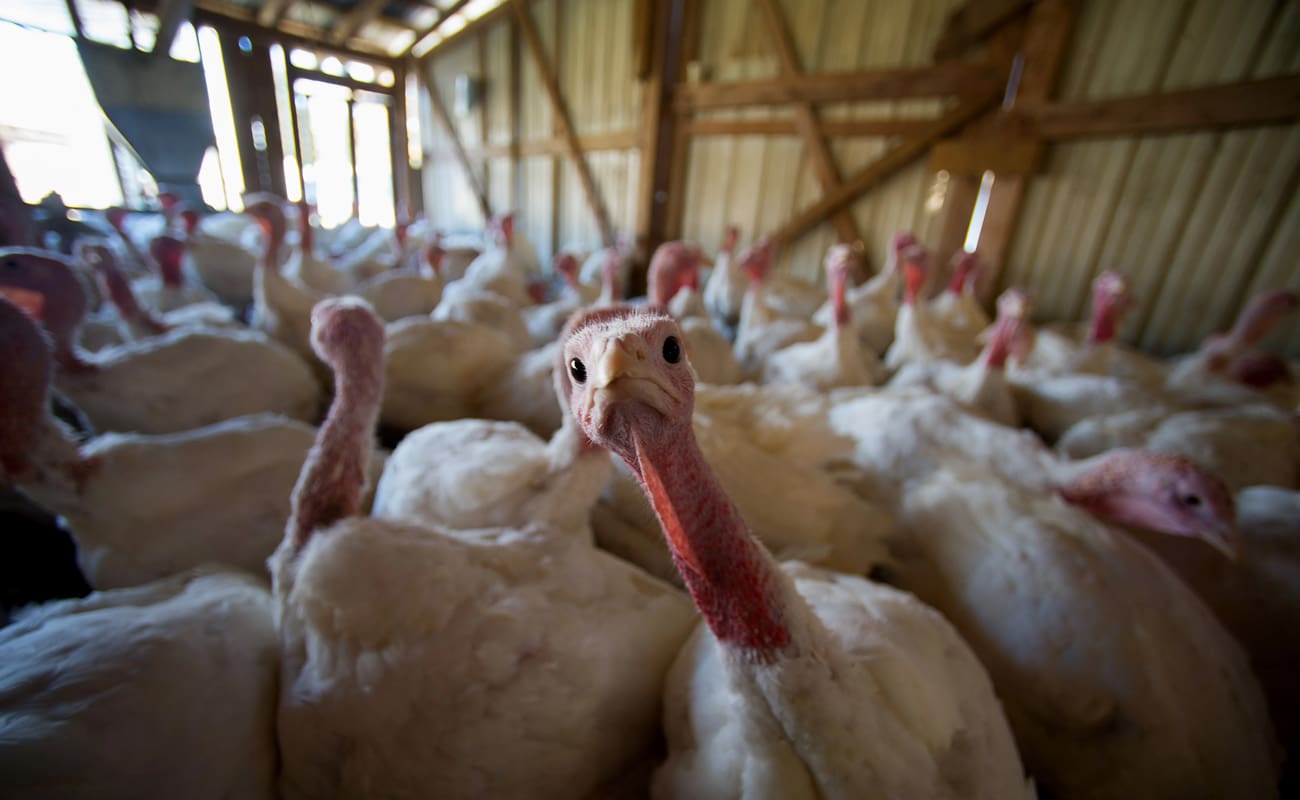
Exposing the Hidden Cruelty of Turkey Farming: The Grim Reality Behind Thanksgiving Traditions

Thanksgiving is synonymous with gratitude, family gatherings, and the iconic turkey feast. But behind the festive table lies a troubling reality: the industrial farming of turkeys fuels immense suffering and environmental degradation. Each year, millions of these intelligent, social birds are confined to overcrowded conditions, subjected to painful procedures, and slaughtered long before reaching their natural lifespan—all to satisfy holiday demand. Beyond animal welfare concerns, the industry’s carbon footprint raises pressing questions about sustainability. This article reveals the hidden costs of this tradition while exploring how mindful choices can create a more compassionate and eco-conscious future

Exposing the Truth: Hidden Cruelties in Factory Farming Revealed

Factory farming operates behind a carefully constructed facade, masking the widespread suffering inflicted on animals in the name of efficiency. Our compelling three-minute animated video unveils these hidden realities, spotlighting routine yet harrowing practices such as beak clipping, tail docking, and severe confinement. With thought-provoking visuals and impactful storytelling, this short film invites viewers to confront the ethical dilemmas of modern animal agriculture and consider kinder alternatives. Let’s break the silence surrounding these cruelties and advocate for meaningful change towards humane treatment for all animals

How One Person Going Vegan Can Transform Animal Welfare, the Environment, and Public Health

Choosing veganism is more than a personal dietary change; it’s a catalyst for meaningful global impact. From safeguarding animal welfare to combating climate change and promoting better health, this lifestyle shift holds the power to drive transformative change across multiple fronts. By reducing demand for animal products, individuals contribute to fewer animals being harmed, lower greenhouse gas emissions, and more sustainable use of resources like water and land. As plant-based diets gain momentum worldwide, they’re reshaping markets and inspiring collective action toward a kinder, greener future—proving that one person’s choice can spark profound ripple effects

Male Chicks in the Egg Industry: The Hidden Cruelty of Sex Sorting and Mass Culling

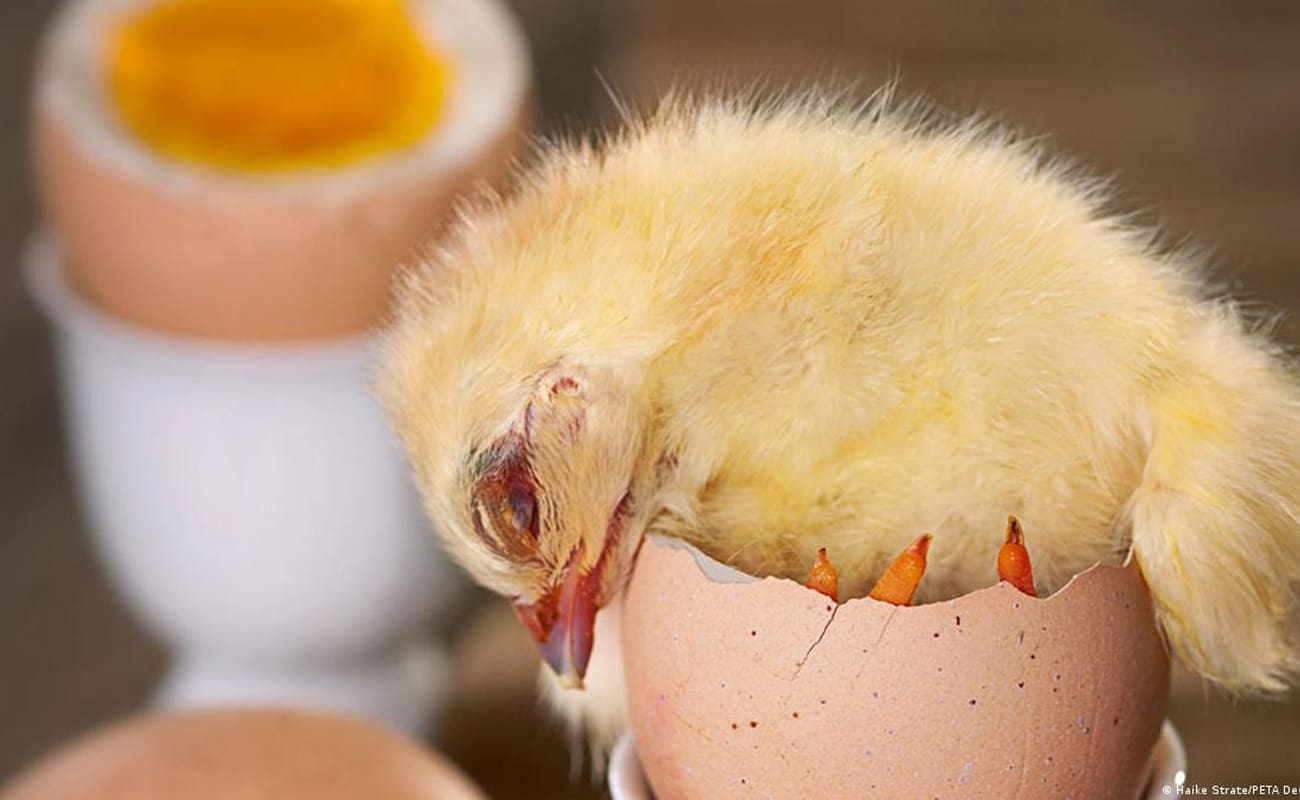
The poultry industry hides a chilling truth: the systematic culling of male chicks, considered surplus to requirements within hours of hatching. While female chicks are reared for egg production, their male counterparts endure a grim fate through methods such as gassing, grinding, or suffocation. This article uncovers the harsh realities of sex sorting—a practice driven by profit at the expense of animal welfare—and examines its ethical implications. From selective breeding to mass disposal techniques, we expose an overlooked cruelty and explore how informed consumer choices and industry changes can help end this inhumane cycle

Does Veganism Really Make People Sick? Benefits, Common Issues, and Nutritional Balance

In recent years, veganism has surged in popularity, driven by ethical concerns, environmental considerations, and health benefits. Despite its growing acceptance, a common question persists: does adopting a vegan diet genuinely lead to health problems? This article explores the benefits of veganism, addresses common issues, and offers guidance on maintaining nutritional balance. The Benefits of Veganism Adopting a vegan diet can offer numerous health benefits, supported by a growing body of research and personal testimonials. By eliminating animal products and focusing on plant-based foods, individuals can experience various improvements in their overall well-being. Here’s a closer look at the key health benefits of veganism: 1. Enhanced Cardiovascular Health Reduced Risk of Heart Disease: A vegan diet is typically low in saturated fats and cholesterol, which are found in high amounts in animal products. Plant-based diets are rich in fruits, vegetables, whole grains, and legumes, all of which contribute to lower …

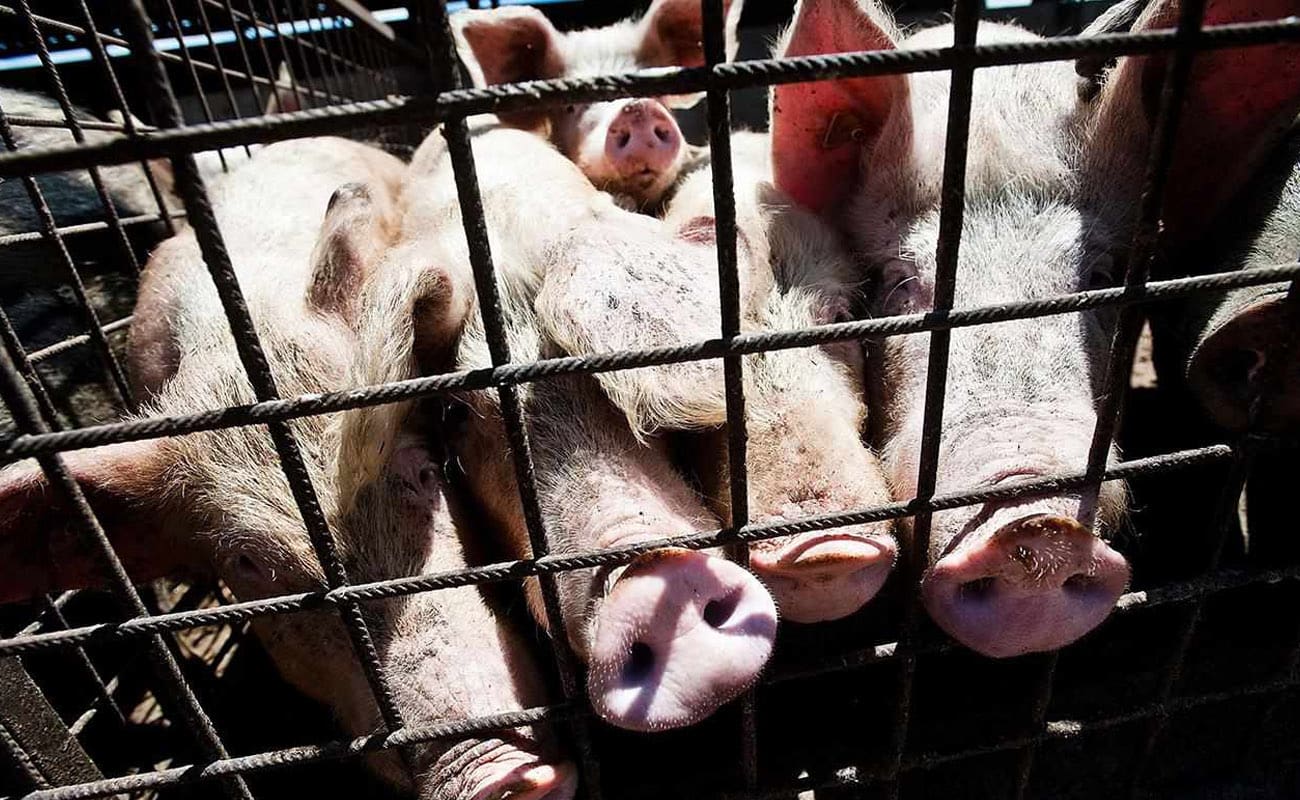
Factory Farming: The Industry Behind Meat and Dairy

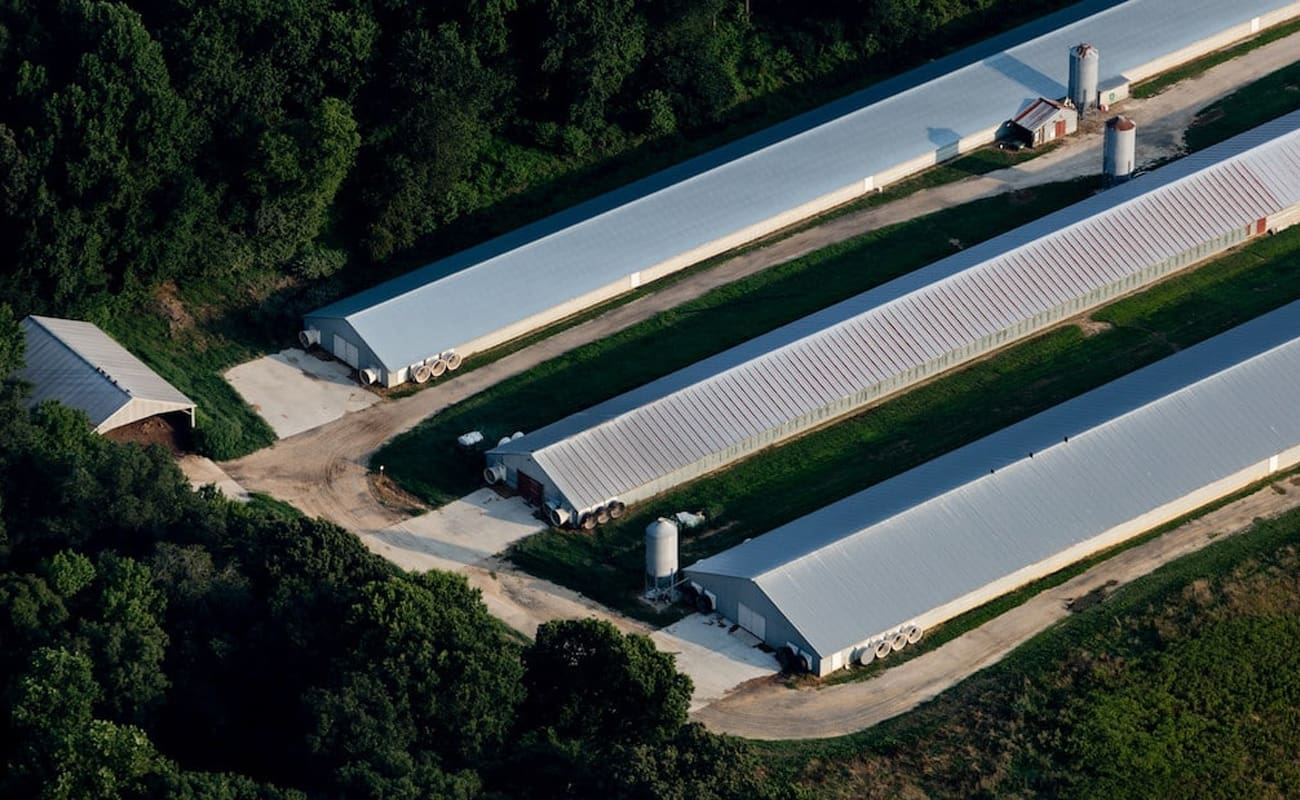
In factory farming, efficiency is prioritized above all else. Animals are typically raised in large, confined spaces where they are tightly packed together to maximize the number of animals that can be raised in a given area. This practice allows for higher production rates and lower costs, but it often comes at the expense of animal welfare.In this article, you’ll find out everything you need to know about factory farming practices. Factory farming in the United States encompasses a range of animals, including cows, pigs, chickens, hens, and fish. Cows Pigs Fish Hens Chickens Factory Farmed Chickens & Hens Factory farming of chickens involves two main categories: those raised for meat production and those used for egg-laying purposes. The Life of Broiler Chickens in Factory Farms Chickens raised for meat, or broiler chickens, often endure harsh conditions throughout their lives. These conditions include overcrowded and unsanitary living spaces, which can …

Unveiling the Role of Ostriches in the Leather and Meat Trade: Farming, Welfare, and Ethical Challenges

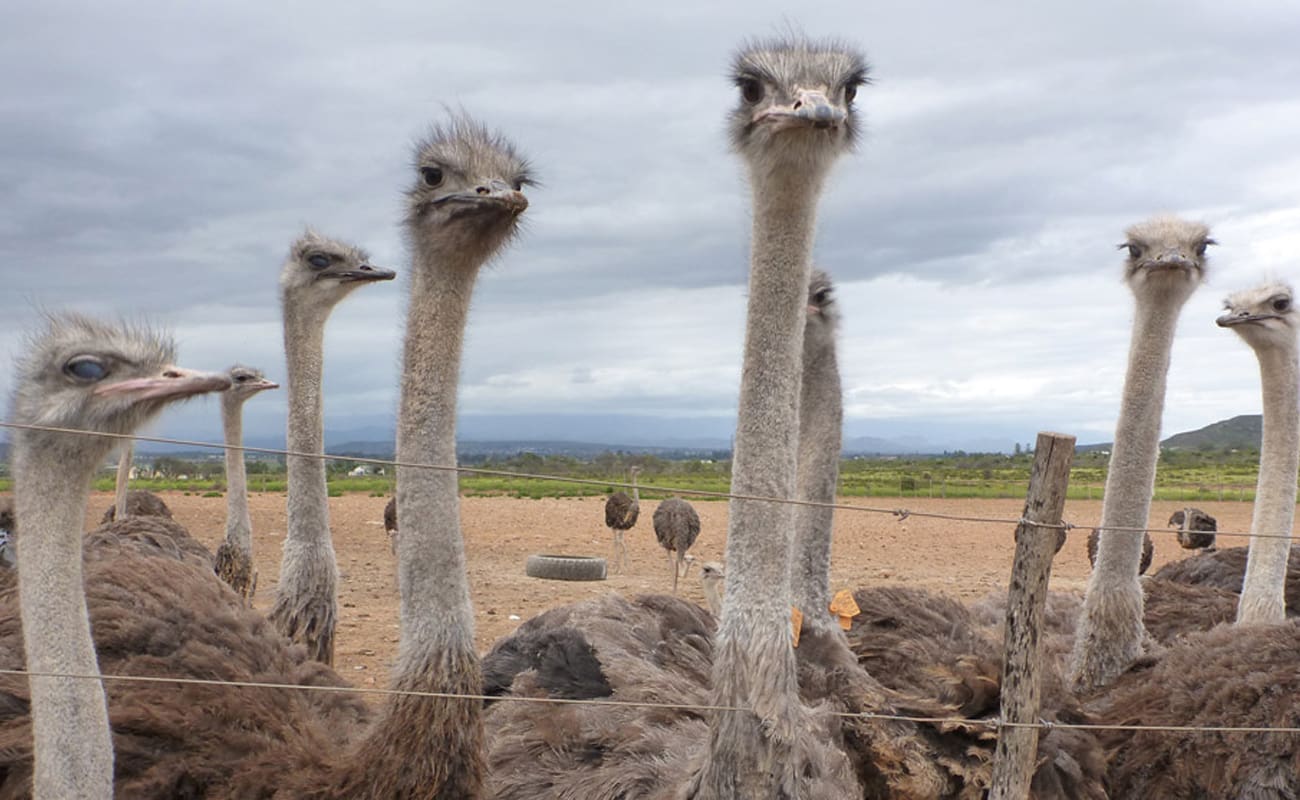
Towering over the animal industry yet often overlooked, ostriches play a surprising and multifaceted role in global trade. Revered as the largest flightless birds on Earth, these resilient giants have evolved over millions of years to thrive in harsh environments, but their contributions extend far beyond their ecological significance. From supplying premium leather for high-end fashion to offering a niche alternative in the meat market, ostriches are at the heart of industries that remain shrouded in ethical debates and logistical challenges. Despite their economic potential, issues such as high chick mortality rates, welfare concerns on farms, transport mishandling, and controversial slaughter practices cast a shadow over this industry. As consumers seek sustainable and humane alternatives while balancing health considerations tied to meat consumption, it’s time to shed light on these forgotten giants—both for their remarkable history and the pressing need for change within their farming systems

Why Go Plant-Based?

Explore the powerful reasons behind going plant-based, and find out how your food choices truly matter.

How to Go Plant-Based?

Discover simple steps, smart tips, and helpful resources to begin your plant-based journey with confidence and ease.

Sustainable Living

Choose plants, protect the planet, and embrace a kinder, healthier, and sustainable future.

Read FAQs

Find clear answers to common questions.